

 Caution
South America · Herb · № 883
Manayupa
Desmodium molliculum
A low plant of the pea family. Traditionally used for inflammation and wounds; research is limited.
Curanderismo of northern Peru
Registry
Herbs, spices and other natural ingredients from around the world, with their uses, preparation, and origins.
CautionSouth America · Herb · № 883
Desmodium molliculum
A low plant of the pea family. Traditionally used for inflammation and wounds; research is limited.
 Caution
Asia · Food · № 730
Citrus reticulata
Traditionally attributed effects: the ripe peel (chen pi) moves the qi of spleen and lung and dissolves phlegm; the green peel (qing pi) moves liver qi.
 Caution
Asia · Herb · № 348
Centella asiatica
Traditionally attributed effects: cleansing, tonic, diuretic, locally stimulating, calming; for chronic ulcers, eczema, psoriasis, leprosy, epilepsy, insanity, swollen glands, abscesses, chronic rheumatism, diarrhoea in children.
 Caution
Asia · Food · № 248
Mangifera indica
Traditionally attributed effects: cooling herb, prevents a burning feeling and keeps you cool in the heat; aids digestion; good for skin and hair.
 Caution
Asia · Herb · № 476
Curcuma amada
Traditionally attributed effects: carminative, cooling, aromatic, bitter, stomachic, astringent, lowers cholesterol; externally for bruises, sprains and skin diseases; purifies the blood.
 Caution
Oceania · Herb · № 273
Leptospermum scoparium en Kunzea ericoides
Traditionally attributed effects: astringent, antimicrobial, antiseptic, expels worms (leptospermone); for ulcers, infections and fever.
 Caution
Oceania · Food · № 51
A monofloral honey with distinctive compounds such as leptosperin and methylglyoxal. Ordinary food honey is not a treatment.
 Caution
South America · Herb · № 851
Aristotelia chilensis
A shrub with dark purple berries rich in anthocyanins. The leaf was traditionally used for wounds and sore throats. Health claims for 'superfood' products are unproven.
 Caution
Europe · Herb · № 239
Viscum album
Traditionally attributed effects: slows the heart rate, lowers blood pressure, antitumour.
 Caution
Europe · Herb · № 199
Leucanthemum vulgare
Young leaves are edible. In folk medicine a tea of the flowers was used for coughs and as a wash; a medicinal effect has not been studied.
 Caution
Europe · Herb · № 46
Silybum marianum
Promoted for liver disorders, but there is not enough high-quality evidence of effects in people.
 Caution
Asia · Herb · № 216
Origanum majorana
A mildly aromatic culinary herb related to oregano. It was drunk as tea for bloating, colds and restlessness; studies in humans are scarce.
 Caution
South America · Herb · № 853
Buddleja globosa
A shrub with orange, ball-shaped flowers. The leaf contains anti-inflammatory compounds such as verbascoside; clinical research on wound healing is lacking.
 Caution
Europe · Herb · № 47
Crataegus monogyna, C. laevigata (en C. pinnatifida)
Studied for heart failure with conflicting results. For most conditions there is little or no good evidence.
 Caution
Asia · Herb · № 493
Euphorbia neriifolia
Traditionally attributed effects: milky sap drastically laxative and expectorant, externally skin-irritant; root antispasmodic; for enlarged liver and spleen, oedema, leprosy; externally on warts, for earache, ulcers and scabies; root for scorpion and snake bites.
 Caution
Africa · Food · № 252
Cucumis melo
A sweet, juicy fruit. In Chinese medicine the dried stalk (gua di) was used to induce vomiting; no medicinal effect is described for the fruit itself.
 Caution
Asia · Mineral · № 800
Minium (loodoxide)
Traditionally attributed effects: was used externally to draw out pus and heal wounds; contains lead.
 Caution
North America · Herb · № 929
Dermatophyllum secundiflorum (syn. Sophora secundiflora)
An evergreen shrub or small tree of the pea family with purple, grape-scented flowers and hard, bright red seeds. The seeds contain cytisine, a poison resembling nicotine. A single seed can be fatal.
 Caution
Central America and the Caribbean · Herb · № 420
Argemone mexicana
Traditionally attributed effects: root diuretic, cleansing, pain-relieving, sleep-inducing; seeds laxative, emetic, expectorant; for oedema, jaundice, skin diseases, warts, scabies, gonorrhoea, tapeworm, cough and asthma.
 Caution
Africa · Other · № 28
Commiphora myrrha
A gum resin with a long history in medicine, ritual, perfume, and incense. Modern treatment claims are not established.
 Caution
Europe · Herb · № 96
Tanacetum parthenium
Best known for preventing migraine. NCCIH notes the evidence is conflicting: some studies find a small effect, others do not.
 Caution
Europe · Herb · № 335
Stachys palustris
Traditionally attributed effects: antiseptic, antispasmodic, wound-healing.
 Caution
Europe · Herb · № 110
Gnaphalium uliginosum
An astringent herb traditionally used as a gargle for sore throats and inflamed upper airways. There is no clinical research.
 Caution
North America · Other · № 388
Limnanthes alba
Traditionally attributed effects: nourishing carrier oil.
 Caution
Europe · Herb · № 71
Filipendula ulmaria
Contains salicylates. Traditionally used for heartburn, an irritated stomach and joint pain. Clinical research is scarce.
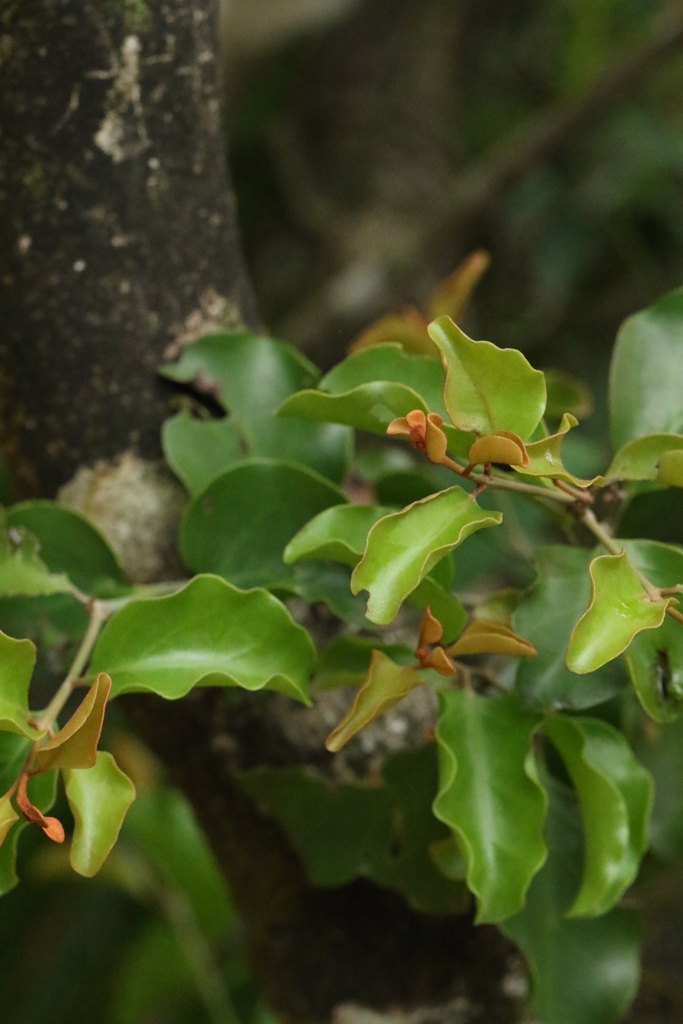 Caution
Asia · Herb · № 762
Taxillus chinensis (syn. Loranthus parasiticus)
Traditionally attributed effects: strengthens liver and kidneys, expels wind and dampness, nourishes the blood and calms the foetus.
 Caution
Asia · Food · № 763
Siraitia grosvenorii (syn. Momordica grosvenori)
Traditionally attributed effects: moistens and cools the lungs in a dry cough and reduces swollen glands.
 Caution
Europe · Herb · № 291
Vitex agnus-castus
Traditionally attributed effects: stimulates the pituitary gland and hormone production.
 Caution
Asia · Herb · № 753
Morinda officinalis
Traditionally attributed effects: strengthens kidney yang and expels wind, cold and dampness from back and legs.
 Caution
Asia · Herb · № 527
Moringa oleifera
Traditionally attributed effects: antispasmodic, stimulating, expectorant, diuretic, dissolves stones; leaves for scurvy and catarrh, flatulence in children, wounds and swellings; bark stimulates the heart in asthma and cough.
 Caution
North America · Herb · № 629
Ephedra viridis, E. nevadensis, E. californica
Traditionally attributed effects: opens the surface in wind-cold with sneezing and a watery nose, mildly eases wheezing and promotes urination.
 Caution
Asia · Herb · № 341
Brassica juncea
Traditionally attributed effects: plant bitter, mildly laxative, tonic; oil stimulating and skin-irritant, antiseptic; for chest complaints in children, muscular rheumatism, stiff neck, inflammation and nerve pain, abdominal cramps, persistent vomiting.
 Caution
Asia · Food · № 792
Saccharum granorum (maltose)
Traditionally attributed effects: strengthens qi and spleen, eases pain from cold in the middle and moistens the lungs.
 Caution
South America · Herb · № 880
Petiveria alliacea
A herb with a strong garlic smell. It has been studied for anti-inflammatory and antimicrobial effects; clinical evidence is lacking.
 Caution
Europe · Herb · № 314
Pilosella officinarum (syn. Hieracium pilosella)
Traditionally attributed effects: antispasmodic, expectorant, anticatarrhal, diuretic, wound-healing.
 Caution
South America · Herb · № 897
Muehlenbeckia volcanica
A low, creeping shrublet with small, round, leathery leaves and blue-black berries. Tannins and flavonoids have been found in the extract; in rats it was anti-inflammatory.