 Caution
Asia · Herb · № 639
Codonopsis (dang shen)
Codonopsis pilosula
Traditionally attributed effects: reduces fatigue, supports the production of blood cells and strengthens spleen, stomach and lungs.
Chinese medical traditions+1
Soup with dang shen, yu zhu, sha shen and lily bulb for recovery after cough and colds.
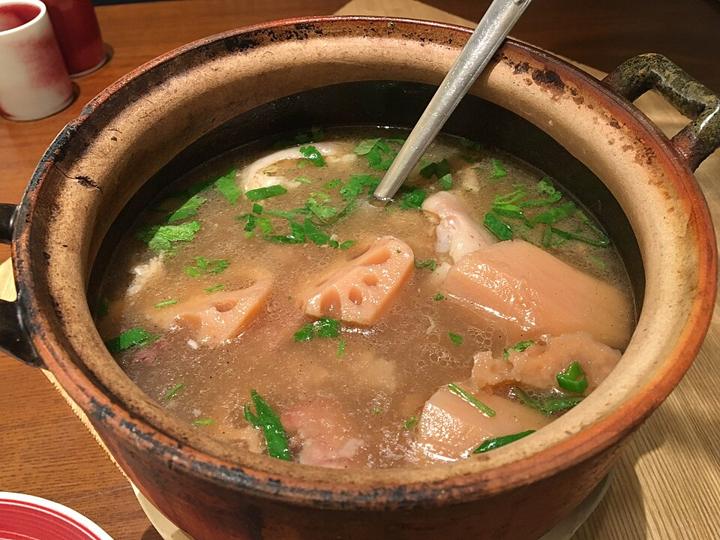
Dang shen counters fatigue and strengthens spleen, stomach and lungs; sha shen nourishes and cools the lungs; yu zhu is good for the stomach and wound healing; lily bulb moistens the lungs. Together they support recovery after cough and colds from built-up heat.
20 g dang shen, rinsed20 g sha shen, rinsed 15 g dried lily bulb (bai he), rinsed
 1 strip dried tangerine peel (chen pi), soaked
 300 g lotus root, peeled, in thick slices
Registry
Read more about effects and safety on each herb’s page.
CautionAsia · Herb · № 639
Codonopsis pilosula
Traditionally attributed effects: reduces fatigue, supports the production of blood cells and strengthens spleen, stomach and lungs.
 Caution
Asia · Herb · № 640
Polygonatum odoratum
Traditionally attributed effects: nourishes the stomach and promotes the production of body fluids; for fatigue, poor appetite, weak digestion and exhaustion.
CautionAsia · Herb · № 649
Glehnia littoralis
Traditionally attributed effects: nourishes the lungs and is good for the stomach; for persistent dry cough and to dissolve phlegm.
CautionAsia · Herb · № 205
Lilium spp.
The bulb scales of some lilies (bai he) are used in Chinese medicine for dry cough, restlessness and sleeplessness after fever. Lilies are deadly poisonous to cats.
 Caution
Asia · Food · № 131
Nelumbo nucifera
Almost every part is used: seeds for diarrhoea and restlessness, rhizome as food, leaf for 'summer heat'. Scientific evidence is mostly laboratory research.
CautionAsia · Food · № 730
Citrus reticulata
Traditionally attributed effects: the ripe peel (chen pi) moves the qi of spleen and lung and dissolves phlegm; the green peel (qing pi) moves liver qi.
Cultures and traditions
The herbs in this recipe also appear in these traditions.