 Caution
Asia · Food · № 272
Apricot
Prunus armeniaca
Traditionally attributed effects: cough-suppressing, astringent, antibacterial, pain-relieving, diuretic, anti-inflammatory; wild cherry suppresses cough.
Chinese medical traditions+2
Tradition in Europe
From medieval herbals to present-day phytotherapy
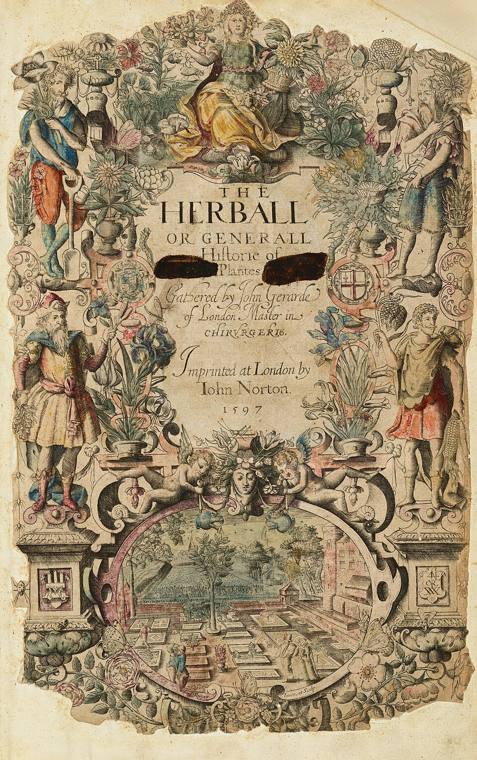
With the invention of printing, the great herbals arrived in the fifteenth and sixteenth centuries. In 1485 the Gart der Gesundheit appeared in Mainz. In 1542 Leonhart Fuchs published De historia stirpium, with beautiful woodcuts drawn from nature.
The Low Countries played a large role. The Mechelen physician Rembert Dodoens published his Cruydeboeck in Antwerp in 1554, one of the most important herbals of its time, which was translated into many languages. In England John Gerard’s Herball appeared in 1597, and in 1652 The English Physitian by Nicholas Culpeper, who made the knowledge accessible to ordinary people in English.
From the eighteenth century science grew out of herbalism. In 1785 William Withering described how foxglove helped with dropsy caused by heart failure. In the nineteenth century chemists isolated active substances from plants, such as morphine from the opium poppy in 1804. In 1897 Bayer made aspirin, based on a substance also found in willow bark and meadowsweet.
For a long time Western herbalism was based on the doctrine of the humours. Every herb had a temperament, warm or cold, dry or moist.
In the sixteenth century the doctrine of signatures became popular. According to Paracelsus and others, God had placed a sign of a plant’s effect in its shape or colour: a plant with heart-shaped leaves would be good for the heart. Culpeper moreover linked every plant to a planet.
Modern phytotherapy works differently. It looks for active substances, standardised extracts and scientific evidence, though traditional knowledge lives on too.
Knowledge spread through books, apothecaries and physicians, and through ordinary people who had herbals at home. Apothecaries made remedies according to pharmacopoeias, official books of recipes.
In the twentieth century the paths parted. Conventional medicine went on with pure substances and synthetic drugs. Herbalists, naturopaths and phytotherapists continued the herbal tradition, often with their own training.
In Germany phytotherapy remained an ordinary part of healthcare, with herbal medicines that doctors prescribe.
Dodoens’ Cruydeboeck of 1554 describes hundreds of plants with their names, features and uses. It is a pride of Dutch-language science.
Culpeper’s The English Physitian is still in print today. Gerard’s Herball and Fuchs’ De historia stirpium are famous for their illustrations.
In 1785 William Withering wrote An Account of the Foxglove, one of the first careful studies of the effect of a plant in patients.
In the European Union, since Directive 2004/24/EC, traditional herbal remedies may be registered as medicines if they have been in use for at least thirty years, fifteen of them in the EU, and are safe. The European Medicines Agency draws up monographs on many medicinal plants.
Many modern medicines originally come from plants. Herbal teas and herbal supplements are popular.
There is also criticism: some herbal supplements are poorly studied, and quality varies greatly.
Western herbalism uses many native European plants. Chamomile for stomach ache and inflammation, valerian for restlessness and sleeplessness, St John’s wort for low mood, peppermint for bowel complaints.
Calendula is used for the skin, yarrow for wounds, thyme for coughs. Western herbalism also took in plants from other continents, such as echinacea from America.
Foxglove, willow and the opium poppy show how plants lie at the basis of modern medicines.
“Natural” does not automatically mean safe. Foxglove is deadly poisonous. St John’s wort has many interactions with medicines, such as the contraceptive pill, blood thinners and antidepressants.
Consult a doctor or pharmacist before combining herbal remedies with medicines.
From the kitchen
 AsiaSweating tea with elder, yarrow and mintA classic hot tea for the start of a cold with fever and little sweating.ColdsSore throatElderberry · Yarrow · MintAbout 4 cups · Steep 15–30 minutes
 AsiaCooling sun teaHerbs that steep in the sun for a few hours: a refreshing drink for warm days.Hot daysBorage · Lemon balm · Bitter orange3 litres · 4–6 hours in the sun
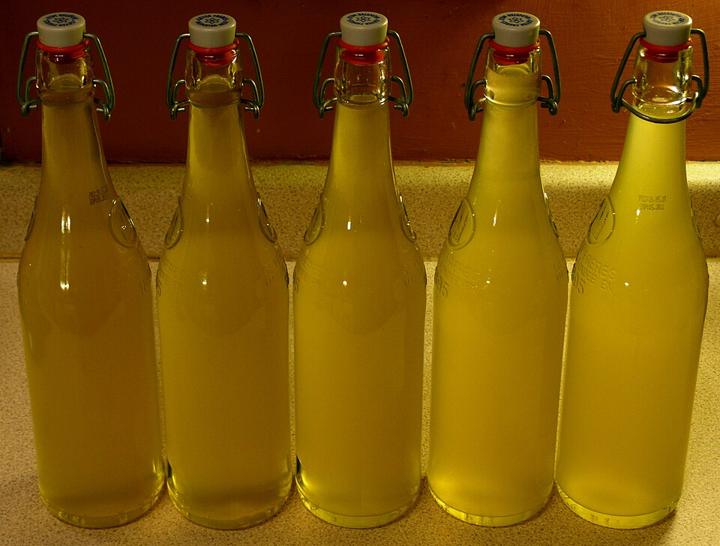 Jim Champion from Southampton, UK · CC BY-SA 2.0EuropeElderflower cordialThe scent of June in a bottle: a syrup of elderflower and lemon.Hot daysElderberry · LemonAbout 1.5 litres of cordial · 30 minutes, plus 1–2 days steeping
Registry
CautionAsia · Food · № 272
Prunus armeniaca
Traditionally attributed effects: cough-suppressing, astringent, antibacterial, pain-relieving, diuretic, anti-inflammatory; wild cherry suppresses cough.
 Caution
Asia · Herb · № 303
Achyranthes bidentata
Traditionally attributed effects: promotes circulation, liver tonic, pain-relieving.
 Caution
Europe · Herb · № 277
Bistorta officinalis (syn. Polygonum bistorta)
Traditionally attributed effects: astringent, stops diarrhoea and bleeding, anticatarrhal.
 Caution
Europe · Herb · № 57
Agrimonia eupatoria
An astringent, tannin-rich herb traditionally used for diarrhoea, sore throats and minor wounds. Good human research is lacking.
 Caution
Europe · Herb · № 79
Inula helenium
The root is traditionally used for productive coughs and bronchitis; it is rich in inulin. Clinical evidence is limited.
 Caution
Africa · Herb · № 4
Aloe vera
The gel from the leaf is used externally to soothe the skin and for minor burns. Research on wound healing gives mixed results; the gel is no substitute for wound care.
 Caution
Europe · Herb · № 63
Artemisia absinthium
One of the most bitter herbs; traditionally used to stimulate appetite and digestion and against intestinal worms. Clinical evidence is limited.
 Caution
North America · Herb · № 158
Scutellaria lateriflora (en S. baicalensis)
Used in Western herbalism for nervousness, tension and sleep problems. A few small studies suggest a mild calming effect.
 Caution
North America · Herb · № 628
Asarum caudatum, A. canadense en verwante soorten
Traditionally attributed effects: expels wind-cold, opens a blocked nose, warms the lung in cough with clear phlegm and expels cold and dampness in menstrual pain and other pain.
 Caution
North America · Herb · № 593
Lysichiton americanus
Traditionally attributed effects: strengthens the nerves, stimulating, antispasmodic, induces sweating, expectorant; opens the lungs and reduces cough and bronchial spasms (acute asthma), ointment against ringworm, relieves muscle and joint pain.
 Caution
Europe · Food · № 84
Malus domestica
A fruit rich in fibre such as pectin; grated apple is an old home remedy for mild diarrhoea. No specific medicinal effect has been proven.
 Caution
Europe · Food · № 296
Cynara cardunculus var. scolymus
Traditionally attributed effects: liver tonic and restorative, promotes bile.
 Caution
Asia · Herb · № 17
Withania somnifera
An Ayurvedic medicinal plant. Some preparations have been studied for stress and sleep, but evidence is limited and products vary.
 Caution
Europe · Food · № 65
Asparagus officinalis en A. racemosus
A nutritious vegetable; root and shoots were traditionally used as a diuretic. There is no good evidence for a medicinal effect.
 Caution
Central America and the Caribbean · Food · № 166
Persea americana
A fruit rich in monounsaturated fats, fibre and potassium; it fits a diet that is favourable for cholesterol. Avocado oil is used in skin care.
 Caution
Asia · Herb · № 36
Panax ginseng (ook P. quinquefolius)
Research consists mostly of small, short studies; there is little evidence of health effects.
 Caution
Europe · Other · № 597
Usnea barbata
Traditionally attributed effects: antimicrobial, antifungal, immunomodulating, soothing, laxative, nourishing; against streptococci (sore throat), staphylococci, cellulitis and infected wounds, antiviral (HPV), yeast infections.
 Caution
Asia · Herb · № 310
Platycodon grandiflorus
Traditionally attributed effects: expectorant, antifungal, antibacterial, lowers blood sugar.
 Caution
North America · Herb · № 574
Populus balsamifera
Traditionally attributed effects: buds: stimulating, tonic, diuretic, soothing, expectorant; bark: expectorant, laxative; for skin problems (eczema, psoriasis), dry cough, constipation, kidney/bladder support, rheumatism and gout.
 Caution
North America · Herb · № 573
Abies balsamea
Traditionally attributed effects: stimulating, antiseptic, pain-relieving; for respiratory infections, cough and sore throat, cystitis and enteritis, aid to quitting smoking; externally for burns, wounds, haemorrhoids, muscle pain.
 Caution
Asia · Herb · № 134
Phyllostachys nigra
In Chinese medicine bamboo shavings (zhu ru) and bamboo sap are used for coughs with yellow phlegm, nausea and restlessness. Ayurveda uses silica-rich bamboo manna. Clinical research is scarce.
 Caution
Africa · Herb · № 8
Ocimum basilicum
Traditionally used as an aromatic food plant and in herbal preparations.
 Caution
Asia · Herb · № 293
Angelica pubescens
Traditionally attributed effects: antirheumatic, pain-relieving, anti-inflammatory.
 Caution
Asia · Herb · № 229
Styrax benzoin
Traditionally attributed effects: expectorant, astringent, antispasmodic.
 Caution
Europe · Herb · № 276
Arctostaphylos uva-ursi
Traditionally attributed effects: urinary antiseptic, astringent.
 Caution
Europe · Herb · № 186
Betula pendula
Traditionally attributed effects: bitter, astringent, antirheumatic.
CautionEurope · Herb · № 67
Borago officinalis
The seed oil, rich in gamma-linolenic acid, has been studied for eczema and joint inflammation with mixed results. The leaf was traditionally used to reduce fever and as a tonic.
 Caution
Europe · Herb · № 93
Betonica officinalis (syn. Stachys officinalis)
Traditionally used for tension headaches and nervousness. Modern clinical research is lacking.
 Caution
Europe · Herb · № 278
Iberis amara
Traditionally attributed effects: antispasmodic, relaxing, strengthens the digestive tract, carminative; traditionally for gout and rheumatism.
 Caution
Asia · Herb · № 123
Citrus × aurantium
The dried unripe fruit (zhi shi) and peel are used in Chinese medicine for bloating and sluggish digestion. NCCIH warns that weight-loss products containing bitter orange (synephrine) pose risks to the heart and blood pressure.
 Caution
Europe · Mineral · № 9
Magnesium sulphate. In sufficient amounts it acts as a laxative because it holds water in the bowel. In a bath it is used to relax muscles; that magnesium is absorbed through the skin has not been shown.
 Caution
Europe · Other · № 74
Fucus vesiculosus
A brown seaweed rich in iodine; formerly used for an underactive thyroid and for weight loss. Weight-loss claims are unproven.
 Caution
Europe · Food · № 101
Vaccinium myrtillus en V. vitis-idaea
Rich in anthocyanins. Dried berries are an old remedy for diarrhoea. NCCIH reports there is not enough evidence for eye, blood-vessel or other claims.
 Caution
North America · Herb · № 281
Iris versicolor
Traditionally attributed effects: anti-inflammatory, diuretic, stimulating, laxative.
 Caution
North America · Herb · № 280
Caulophyllum thalictroides
Traditionally attributed effects: tonic, antispasmodic, anti-inflammatory, stimulates the uterus, diuretic, antirheumatic.
 Caution
North America · Herb · № 372
Sanguinaria canadensis
Traditionally attributed effects: stimulating, emetic, expectorant, restorative; part of escharotic treatment for cervical dysplasia, warms lungs/stomach/uterus, promotes coughing up.