 Caution
Europe · Food · № 21
Elderberry
Sambucus nigra
Berries have a folk-use history for cold and flu symptoms; clinical evidence remains preliminary.
Monastic and folk knowledge+4Folklore
Western herbal medicine →Monastic and folk knowledge →
The scent of June in a bottle: a syrup of elderflower and lemon.
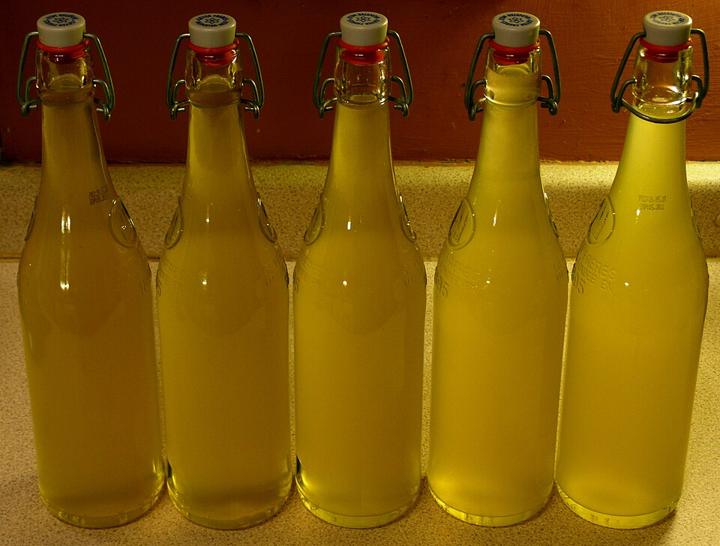
Elder grew beside farms and monasteries all over Europe, and almost every part of it was used. The flowers were made into tea, fritters and syrup. A cordial is the easiest way to keep the blossom: diluted with still or sparkling water it makes a summery lemonade.
 2 unwaxed lemons, sliced
Registry
Read more about effects and safety on each herb’s page.
CautionEurope · Food · № 21
Sambucus nigra
Berries have a folk-use history for cold and flu symptoms; clinical evidence remains preliminary.
CautionAsia · Food · № 221
Citrus limon
Traditionally attributed effects: anti-inflammatory, antihistamine, diuretic, strengthens the veins.
Cultures and traditions
The herbs in this recipe also appear in these traditions.