 Caution
Asia · Herb · № 739
Cogon grass root (bai mao gen)
Imperata cylindrica
Traditionally attributed effects: cools the blood and stops bleeding; promotes urination and cools lung and stomach.
Chinese medical traditions+1
Tradition in Asia
Roots in the Mataram era (8th–10th century); UNESCO heritage since 2023

Jamu is the traditional herbal medicine of Indonesia, especially of Java and Bali. Its roots go far back. Stone mortars from the site of Liyangan in Central Java, from the Mataram era of the eighth to tenth centuries, and reliefs on Borobudur already point to the preparation of herbs.
At the courts of Java, in Surakarta and Yogyakarta, the knowledge was refined. Princesses and ladies of the court used jamu for beauty and health. In the nineteenth century much of that knowledge was written down.
In the twentieth century a large jamu industry arose. Well-known brands such as Nyonya Meneer, founded in 1919, and Sido Muncul turned jamu into a mass product. In 2023 UNESCO recognised “jamu wellness culture” as intangible heritage.
Jamu is about health in a broad sense: staying fit, being beautiful, recovering after childbirth and preventing illness. It is less a medicine for the sick than everyday care.
Jamu always consists of a mixture of herbs. A well-known recipe is kunyit asam, of turmeric and tamarind. Another is beras kencur, of rice and kencur.
Jamu is also connected with the Javanese idea of balance and harmony, between body and mind and between people and their surroundings.
Knowledge often passes from mother to daughter. A famous image is the jamu gendong: a woman who walks the streets with a basket full of bottles of jamu on her back, selling fresh jamu.
Jamu gendong is a home industry. The women make the drinks themselves, fresh every morning, with simple tools.
There are also large factories, herbal shops and jamu cafés in cities. Indonesia’s food and drug agency, BPOM, divides traditional remedies into three classes: jamu, standardised herbal medicines and phytopharmaceuticals, which have been clinically tested.
An important source is the Serat Centhini, written between 1814 and 1823 at the court of Surakarta. This great Javanese work contains hundreds of recipes for jamu, with dozens of plants, alongside prayers and incantations.
Other Javanese manuscripts, called primbon, also contain knowledge about jamu.
UNESCO’s 2023 recognition describes jamu as a living culture of wellbeing, shared by Indonesians of every background.
Jamu is still drunk daily in Indonesia, from a glass from a street vendor to packaged powders and capsules. There are modern jamu cafés and the industry is large.
The government encourages research into jamu, with the aim of putting more remedies on a scientific footing and including them in healthcare.
Jamu is also known outside Indonesia, including in the Netherlands through the Indo and Indonesian community.
The basis of jamu lies in rhizomes of the ginger family: turmeric (kunyit), temulawak, kencur, ginger (jahe) and galangal (lengkuas).
Leaves are used too, such as those of sirih (betel) and sambiloto, and spices such as cinnamon and cloves. Tamarind gives a sour taste.
Jamu is often sweetened with palm sugar or honey and sometimes mixed with an egg.
Jamu is a living, everyday culture of Indonesian families, especially of women. If you are interested, choose fair products.
Note: some packaged “jamu” has in the past been adulterated with drugs, such as anti-inflammatories or slimming agents. Buy only registered products.
From the kitchen
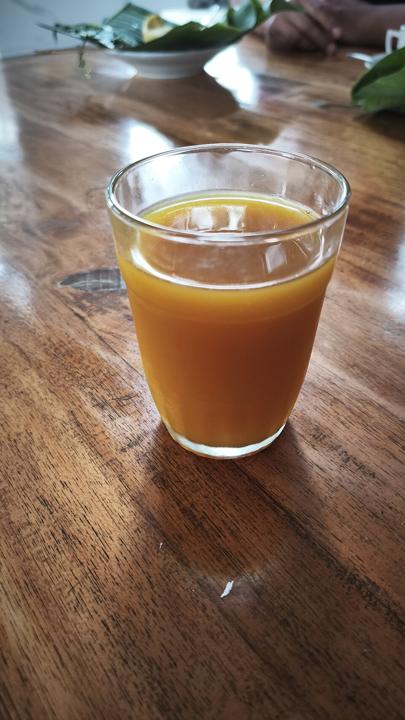 Fhikri Latifi · CC BY 4.0AsiaKunyit asamTurmeric and tamarind: the best-known jamu, sold door to door in Java every day.Menstruation and fertilityHot daysTurmeric · TamarindAbout 1 litre · 30 minutes
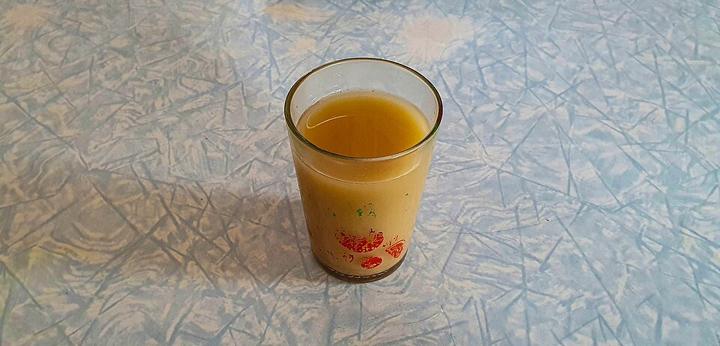 Mallory Cessair · CC BY-SA 4.0AsiaBeras kencurA creamy jamu of soaked rice and kencur, the Javanese pick-me-up.Tiredness and strengthAppetiteRice · Kencur (aromatic ginger) · GingerAbout 1 litre · 30 minutes, plus 3 hours soaking
Registry
CautionAsia · Herb · № 739
Imperata cylindrica
Traditionally attributed effects: cools the blood and stops bleeding; promotes urination and cools lung and stomach.
 Caution
Asia · Herb · № 414
Andrographis paniculata
Traditionally attributed effects: stomachic, tonic, fever-reducing, cleansing, expels worms, promotes bile; for flatulence, lack of appetite, intestinal complaints in children, diarrhoea, dysentery, sluggish liver, nerve pain, recovery after fever.
 Caution
Asia · Food · № 247
Musa spp.
A fruit rich in starch and potassium. Ripe banana is easily digestible and belongs to the old BRAT diet after diarrhoea; green bananas contain resistant starch.
CautionAsia · Herb · № 229
Styrax benzoin
Traditionally attributed effects: expectorant, astringent, antispasmodic.
 Caution
Asia · Herb · № 831
Piper betle
An aromatic leaf used in jamu for the mouth and for women's intimate hygiene.
 Caution
Asia · Herb · № 419
Areca catechu
Traditionally attributed effects: stimulating, astringent, expels tapeworm, laxative, carminative, aphrodisiac; against roundworms and tapeworms, strengthens the gums, for urinary complaints, heartburn during pregnancy, lumbago.
 Caution
Asia · Herb · № 447
Caesalpinia crista
Traditionally attributed effects: antipyretic, antispasmodic, bitter tonic, expels worms, fever-reducing; for fever, intermittent fever, asthma, colic, swellings, bleeding, liver disorders, convulsions and nervous complaints.
 Caution
Asia · Herb · № 688
Brucea javanica
Traditionally attributed effects: was used for amoebic dysentery, malaria and externally for warts.
 Caution
Oceania · Herb · № 176
Melaleuca cajuputi, M. viridiflora, M. leucadendra e.a.
Both relatives of tea tree yield an essential oil used externally for muscle pain and in inhalations for colds. Clinical evidence is limited.
 Caution
Asia · Food · № 428
Averrhoa carambola
Traditionally attributed effects: laxative, cooling, antiscorbutic, antidysenteric; cooling thirst-quencher in fever, ripe fruit for bleeding (internal) haemorrhoids.
 Caution
Asia · Herb · № 355
Hibiscus rosa-sinensis
Traditionally attributed effects: cares for the hair, promotes circulation in the scalp and reduces stress.
 Caution
Asia · Food · № 221
Citrus limon
Traditionally attributed effects: anti-inflammatory, antihistamine, diuretic, strengthens the veins.
 Caution
 Caution
Asia · Herb · № 471
Costus speciosus
Traditionally attributed effects: bitter, astringent, stimulating, aids digestion, expels worms, cleansing, aphrodisiac, anti-inflammatory; for fever with catarrh, cough, indigestion, worms, skin diseases, snake bites.
 Caution
Asia · Herb · № 119
Alpinia galanga
A relative of ginger traditionally used for nausea, wind and sluggish digestion. Clinical evidence is limited.
 Caution
Asia · Herb · № 1
Zingiber officinale
Traditionally used for nausea and digestive discomfort; it has a warming flavor.
 Caution
Asia · Herb · № 533
Oroxylum indicum
Traditionally attributed effects: astringent, bitter tonic, stomachic, pain-relieving, induces sweating; for diarrhoea, dysentery, acute rheumatism, oedema, ear infection; young fruit carminative, seeds laxative.
 Caution
Asia · Herb · № 491
Eugenia jambolana
Traditionally attributed effects: astringent, stomachic, diuretic, lowers blood sugar; seeds for diabetes, bark for chronic diarrhoea, dysentery, heavy menstruation, spongy gums, stomatitis; diarrhoea in children.
 Caution
Asia · Herb · № 126
Jasminum officinale / J. grandiflorum
Best known as a fragrance and in jasmine tea; jasmine aromatherapy is used for relaxation. Medical claims are unproven.
 Caution
Asia · Food · № 38
Cinnamomum verum
A spice made from inner bark. Research on health effects is preliminary; cinnamon is not a treatment.
 Caution
Asia · Herb · № 830
Kaempferia galanga
An aromatic rhizome used in jamu for coughs, tiredness and muscle pain.
 Caution
Asia · Food · № 357
Cocos nucifera
Traditionally attributed effects: cooling, diuretic, antiseptic, laxative; root for uterine diseases, bronchitis, liver complaints, dysentery, sore throat (gargle); coconut water for thirst, fever, urinary complaints and vomiting; ash for scabies and toothache.
 Caution
Asia · Food · № 42
Syzygium aromaticum
A spice. Clove oil containing eugenol may help with toothache; other claims are unproven.
 Caution
Oceania · Herb · № 842
Aleurites moluccanus
A tree whose oil cares for the skin; the nuts are laxative.
 Caution
Asia · Herb · № 5
Curcuma longa
A traditional culinary spice containing curcumin; laboratory findings do not establish a cure for disease.
 Caution
Asia · Food · № 238
Citrus aurantiifolia
A sour citrus fruit rich in vitamin C. The juice was given against scurvy and is used in Asia with honey or salt for coughs and sore throat.
 Caution
Asia · Herb · № 348
Centella asiatica
Traditionally attributed effects: cleansing, tonic, diuretic, locally stimulating, calming; for chronic ulcers, eczema, psoriasis, leprosy, epilepsy, insanity, swollen glands, abscesses, chronic rheumatism, diarrhoea in children.
 Caution
Asia · Food · № 248
Mangifera indica
Traditionally attributed effects: cooling herb, prevents a burning feeling and keeps you cool in the heat; aids digestion; good for skin and hair.
 Caution
Asia · Herb · № 476
Curcuma amada
Traditionally attributed effects: carminative, cooling, aromatic, bitter, stomachic, astringent, lowers cholesterol; externally for bruises, sprains and skin diseases; purifies the blood.
 Caution
Asia · Herb · № 527
Moringa oleifera
Traditionally attributed effects: antispasmodic, stimulating, expectorant, diuretic, dissolves stones; leaves for scurvy and catarrh, flatulence in children, wounds and swellings; bark stimulates the heart in asthma and cough.
 Caution
Asia · Food · № 425
Artocarpus integrifolia
Traditionally attributed effects: ripe fruit soothing, nourishing, laxative; unripe fruit astringent; milky sap for swollen glands, abscesses and snake bites; root for diarrhoea; leaf and root for skin diseases.
 Caution
Oceania · Food · № 50
Morinda citrifolia
Traditionally used for colds, infections, fever, and stomach complaints. There is no good evidence of treatment effects.
 Caution
Asia · Herb · № 129
Myristica fragrans
A spice used in small amounts in Ayurveda and Arabic medicine for diarrhoea, nausea and insomnia. There is no good clinical evidence.
 Caution
Asia · Herb · № 488
Elephantopus scaber
Traditionally attributed effects: strengthens the heart, astringent, cleansing, fever-reducing, antibiotic; for painful urination, urethral discharge, diarrhoea, dysentery, vomiting, snake bites, ulcers, eczema.
 Caution
Asia · Herb · № 241
Pogostemon cablin
Traditionally attributed effects: inhibits sebum production, draws oil from the skin, fights acne bacteria; against dandruff.
 Caution
Oceania · Herb · № 178
Euphorbia hirta
Traditionally used for asthma and bronchitis (the name asthma weed comes from Queensland), for diarrhoea and externally for warts. There is laboratory research but no good clinical evidence.