Skip to content
Herbs & Cultures

Tradition in Africa

Ancient Egyptian medicine

Written sources from around 1550 BCE

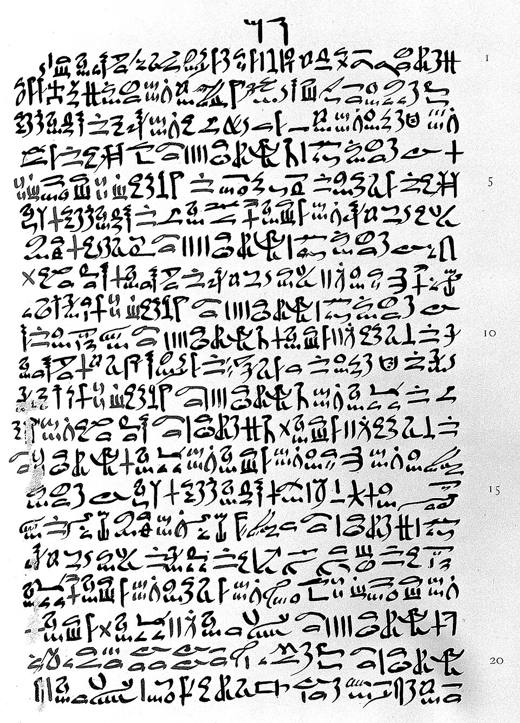
A plate from Georg Ebers' edition of the Ebers Papyrus (1875), an Egyptian medical scroll from around 1550 BCE.
A plate from Georg Ebers' edition of the Ebers Papyrus (1875), an Egyptian medical scroll from around 1550 BCE. Wellcome Collection · CC BY 4.0

History

Ancient Egypt left behind one of the oldest written medical traditions in the world. As early as the Old Kingdom, more than 4,500 years ago, physicians are mentioned by name. Around 2600 BCE Hesy-Ra held the title “chief of dentists”, and Peseshet is named as “overseer of the women physicians”.

The main sources are medical papyri. The Kahun Papyrus, from around 1800 BCE, deals with women’s medicine. The Edwin Smith Papyrus, from around 1600 BCE and a copy of an even older text, describes injuries from head to torso in a strikingly sober order: examination, diagnosis, and the verdict on whether an injury can be treated. The Ebers Papyrus, from around 1550 BCE, has 110 pages with some 700 to 800 recipes, arranged by organ and complaint.

Egyptian medicine impressed its neighbours. The Greek historian Herodotus wrote that Egypt was full of physicians, each specialising in a single ailment. The architect Imhotep, who lived around 2650 BCE, was worshipped centuries later as a god of healing, and the Greeks saw in him their own Asclepius.
Key ideas

Egyptians saw the heart as the centre of the body. From the heart ran channels, metu, that carried blood, air, tears, semen and also disease. If these channels became blocked, a person fell ill. That is why laxatives and purges received a great deal of attention.

Practical treatment and the supernatural were intertwined. Illness could have a natural cause, but could also come from an evil spirit, a dead person or an angry deity. A recipe therefore often went together with a spell, and an amulet was as much part of care as an ointment.

Yet there was also room for sober judgement. The Edwin Smith Papyrus divides injuries into three groups: ailments the physician will treat, ailments he will contend with, and ailments he will not treat.

Knowledge and its transmission

There were different kinds of healers. The swnw was the physician in general. The priests of Sekhmet, the lioness goddess who could both bring and take away disease, worked as physicians and exorcists. There were also makers of amulets and spells.

Knowledge was kept and passed on in the Per Ankh, the “House of Life”: scriptoria attached to temples where texts were copied and studied. Many medical papyri are copies of older texts, which shows how long this knowledge was handed down.

Physicians worked for temples, the court and also for labourers. From Deir el-Medina, the village of the builders of the royal tombs, records survive of absence from work through illness and of a physician who attended the workers.

Texts and figures

The Ebers Papyrus, from around 1550 BCE, is the largest medical papyrus. It covers stomach complaints, skin diseases, eye diseases and wounds, among other things, and contains a section on the heart and its channels. It is kept in Leipzig.

The Edwin Smith Papyrus, from around 1600 BCE, is regarded as the oldest known surgical text. It describes 48 cases of injury and is remarkably free of magic. It is kept in New York. The Kahun Papyrus, from around 1800 BCE, deals with fertility, pregnancy and women’s complaints.

Of the healers themselves we mainly know titles and names from tombs: Hesy-Ra, Peseshet, and Imhotep, who was deified much later.

Today

The papyri are important sources for the history of medicine, but not a living tradition. Modern healthcare in Egypt and elsewhere in Africa does not descend in an unbroken line from ancient Egypt, and it is misleading to present them as one system.

Researchers now look at the recipes with modern eyes. Some ingredients have demonstrable properties: honey inhibits bacteria on wounds. Other recipes contain substances we now consider unsuitable or dangerous, such as animal dung.

Imhotep lives on as a symbol: from a historical architect he grew in the imagination into the “first physician”, a role that arose mostly later.

Nature in the tradition

The Egyptian pharmacy came from the Nile valley, the desert and trade. Well-known plant remedies are garlic and onion, coriander, cumin, fenugreek, juniper and oil from the seeds of the castor plant, castor oil, which served as a laxative.

Resins were precious and often came from far away: frankincense and myrrh from the Land of Punt, on the Horn of Africa. They were used in ointments, incense and embalming. The blue lotus had great religious significance and is often depicted.

Besides plants there were honey, fat, milk, natron, minerals such as malachite for eye paint, and animal products. A recipe was usually a mixture, with beer, wine or honey as a carrier.

Approaching it with respect

Read the old recipes as history, not as advice. They come from a world with different knowledge and different materials, and some are downright harmful.

Be careful, too, about romanticising “Egyptian wisdom”. Egyptian medicine deserves appreciation for what it really was: an early system, partly sober and partly magical, made by people who looked carefully and wrote things down.

From the kitchen

Recipes from this tradition

Registry

Herbs in this tradition

  • Caution

    Africa · Herb · № 371

    Gum arabic (acacia)

    Acacia senegal

    A soluble fibre that forms a mucilaginous solution in water. It soothes the throat and stomach and is being studied as a prebiotic; it can cause wind and bloating. There is no evidence that it treats viral infections such as HPV.

    Ancient Egyptian medicine+2
  • Caution

    Africa · Herb · № 398

    Babul tree

    Acacia nilotica

    Traditionally attributed effects: astringent, soothing, aphrodisiac, nourishing, expectorant; for cough, diarrhoea and dysentery, sore throat and spongy gums, wounds and skin diseases, gonorrhoea, leucorrhoea, prolapse of anus and uterus.

    Ancient Egyptian medicine+3
  • Caution

    Africa · Herb · № 804

    Blue lotus

    Nymphaea caerulea

    A water lily of great religious significance in ancient Egypt. Its effects as a remedy are little studied.

    Ancient Egyptian medicine
  • Caution

    Asia · Herb · № 215

    Dill

    Anethum graveolens

    Traditionally attributed effects: carminative.

    Ayurveda+4Folklore
  • Caution

    Europe · Food · № 245

    Grape

    Vitis vinifera

    Traditionally attributed effects: soothing, laxative, cooling, stomachic, diuretic; for bilious indigestion, bleeding, painful urination, chronic bronchitis, heart disease, gout; juice for constipation in children.

    Folk magic and herbal magic+3Folklore
  • Caution

    Africa · Herb · № 118

    Fenugreek

    Trigonella foenum-graecum

    The seed has been studied for blood sugar and for increasing breast milk. NCCIH reports there is not enough strong evidence for these uses.

    Ancient Egyptian medicine+5Folklore
  • Caution

    Europe · Herb · № 81

    Juniper

    Juniperus communis

    The berries are traditionally used as a diuretic, for digestive complaints and externally for joint pain. Clinical evidence is limited.

    Western herbal medicine+5Folklore
  • Caution

    Europe · Herb · № 19

    Chamomile

    Matricaria chamomilla (Duitse kamille)

    Flowers are used in teas and topical or oral products. Reliable evidence is insufficient for most claimed conditions.

    Monastic and folk knowledge+7Folklore
  • Caution

    Africa · Herb · № 116

    Khella

    Ammi visnaga

    Contains khellin, a muscle relaxant that widens the airways and blood vessels. Khellin was the basis for modern drugs such as cromoglicate (for asthma) and amiodarone (for heart rhythm disorders).

    Ancient Egyptian medicine+1
  • Caution

    Africa · Food · № 12

    Garlic

    Allium sativum

    A food with a long history of use. Supplement research suggests only limited effects and does not establish a treatment.

    Ancient Egyptian medicine+7Folklore
  • Caution

    Africa · Herb · № 337

    Nut grass

    Cyperus rotundus

    Traditionally attributed effects: carminative, pain-relieving, antispasmodic for the uterus, promotes the flow of qi.

    Ancient Egyptian medicine+4
  • Caution

    Asia · Herb · № 232

    Cumin

    Cuminum cyminum

    Traditionally attributed effects: carminative, aromatic, stomachic, stimulating, astringent, cooling; for gonorrhoea, chronic diarrhoea, indigestion, hoarseness; oil as a source of thymol against hookworms.

    Ayurveda+3Folklore
  • Caution

    Europe · Herb · № 231

    Coriander

    Coriandrum sativum

    Traditionally attributed effects: aromatic, stimulating, carminative, stomachic, cooling, tonic, diuretic; for flatulence, colic, rheumatism, nerve pain, sore throat, indigestion, vomiting, colds, bile complaints.

    Greco-Roman medicine+5Folklore
  • Caution

    Europe · Herb · № 113

    White horehound

    Marrubium vulgare

    A bitter herb traditionally used for coughs with sticky phlegm and bronchitis. In Europe it is recognised as a traditional herbal medicine; clinical evidence is limited.

    Greco-Roman medicine+3Folklore
  • Caution

    Africa · Food · № 252

    Melon

    Cucumis melo

    A sweet, juicy fruit. In Chinese medicine the dried stalk (gua di) was used to induce vomiting; no medicinal effect is described for the fruit itself.

    Ancient Egyptian medicine+2Folklore
  • Caution

    Africa · Other · № 28

    Myrrh

    Commiphora myrrha

    A gum resin with a long history in medicine, ritual, perfume, and incense. Modern treatment claims are not established.

    Ancient Egyptian medicine+6Folklore
  • Caution

    Europe · Food · № 362

    Olive

    Olea europaea

    Olive oil is the basis of the Mediterranean diet, which is associated with a lower risk of cardiovascular disease. Olive leaf extract is sold as a remedy for infections and high blood pressure; the evidence for this is limited and there is no evidence that it treats flu or other viral infections.

    Greco-Roman medicine+1
  • Caution

    Africa · Food · № 25

    Roselle (hibiscus)

    Hibiscus sabdariffa

    The red calyces make a tart drink. Folk medicine links it to blood pressure; it is not a substitute for treatment.

    Ancient Egyptian medicine+2Folklore
  • Caution

    Asia · Herb · № 321

    Safflower

    Carthamus tinctorius

    Traditionally attributed effects: laxative, diuretic, anti-inflammatory.

    Ayurveda+3
  • Caution

    Europe · Herb · № 91

    White willow

    Salix alba

    The bark contains salicin, which the body partly converts to salicylic acid. There are hints of a moderate effect on low back pain and joint pain.

    Greco-Roman medicine+3Folklore
  • Caution

    Europe · Food · № 61

    Celery

    Apium graveolens

    Vegetable and spice. The seed was traditionally used for gout, joint complaints and as a diuretic. Convincing clinical evidence is lacking.

    Western herbal medicine+3Folklore
  • Caution

    Africa · Herb · № 117

    Senna

    Senna alexandrina

    Leaves and pods contain sennosides, a stimulant laxative that works for short-term constipation. It is used in modern over-the-counter laxatives.

    Ancient Egyptian medicine+5
  • Caution

    Africa · Food · № 356

    Sesame

    Sesamum indicum

    Traditionally attributed effects: soothing, softens the skin, diuretic, promotes menstruation and milk flow, laxative; leaves for respiratory complaints, diarrhoea and dysentery in children, bladder catarrh; seeds for bleeding haemorrhoids, absent or painful menstruation.

    Ancient Egyptian medicine+3Folklore
  • Caution

    Asia · Food · № 258

    Lettuce

    Lactuca sativa

    A juicy leaf vegetable with some vitamin K and folate. The milky sap of the stem is mildly calming, but much weaker than that of wild lettuce.

    Ancient Egyptian medicine+1Folklore
  • Caution

    Asia · Herb · № 180

    Opium poppy

    Papaver somniferum

    The latex of the unripe seed capsule (opium) contains morphine, codeine and other alkaloids. Morphine and related opioids are indispensable painkillers in modern medicine, but highly addictive. The seeds (poppy seeds) are an ordinary food.

    Ayurveda+4
  • Caution

    Europe · Herb · № 98

    Thyme

    Thymus vulgaris

    Traditionally used for coughs and bronchitis; thymol from the oil inhibits bacteria and fungi in the laboratory. There are some studies of thyme-based cough syrups.

    Greco-Roman medicine+4Folklore
  • Caution

    Asia · Food · № 240

    Onion

    Allium cepa

    Traditionally attributed effects: stimulating, diuretic, expectorant, skin-irritant, aphrodisiac, antiseptic; for cough, haemorrhoids, jaundice, indigestion, insect bites, boils, wounds, chilblains and sore joints.

    Ayurveda+4Folklore
  • Caution

    Asia · Food · № 801

    Fig

    Ficus carica

    Traditionally attributed effects: dried figs make Chinese soups naturally sweet, such as the watercress and spare-rib soup and the eight-treasure soup; they are regarded as moistening for lung and bowel.

    Chinese medical traditions+3
  • Caution

    Europe · Food · № 83

    Flax

    Linum usitatissimum

    Ground flaxseed acts as a gentle bulk-forming fibre for constipation. NCCIH reports it may lower cholesterol slightly; evidence for other claims is unclear.

    Western herbal medicine+3Folklore
  • Caution

    Africa · Food · № 389

    Watermelon

    Citrullus lanatus

    A very juicy fruit that quenches thirst. Oil from the seeds is used in hair care. In Chinese medicine the fruit is considered cooling and diuretic.

    Ancient Egyptian medicine+2
  • Caution

    Africa · Herb · № 373

    Frankincense

    Boswellia sacra

    The resin is mainly used as incense and fragrance. Extracts of related Boswellia species have been studied for osteoarthritis, with modest and variable results.

    Ancient Egyptian medicine+4Folklore
  • Caution

    Africa · Herb · № 429

    Desert date

    Balanites aegyptiaca

    Traditionally attributed effects: laxative, expels worms; seeds for cough and colic, oil on burns and freckles, seed extract lowers blood pressure.

    Ancient Egyptian medicine+2
  • Caution

    Africa · Herb · № 547

    Castor oil plant

    Ricinus communis

    Traditionally attributed effects: oil mildly laxative; leaf juice emetic in poisoning, leaf decoction laxative, promotes milk and menstruation; compress on boils and swellings, for flatulence in children; root decoction for lumbago, rheumatism and sciatica.

    Ancient Egyptian medicine+4
  • Caution

    Asia · Herb · № 18

    Licorice root

    Glycyrrhiza glabra

    A root with long use in several traditions; high-quality evidence does not support most health claims.

    Ayurveda+9Folklore
  • Caution

    Asia · Herb · № 363

    Black seed

    Nigella sativa

    Traditionally attributed effects: aromatic, diuretic and sudorific, promotes bile, stomachic, stimulating, carminative, expels worms, promotes menstruation and milk flow, antibacterial.

    Ayurveda+3