 Caution
Asia · Herb · № 303
Achyranthes root (huai niu xi)
Achyranthes bidentata
Traditionally attributed effects: promotes circulation, liver tonic, pain-relieving.
Chinese medical traditions+2
From plant to use
Simmering roots, bark and seeds so they release their flavour and compounds.
Hard plant parts give up little in a short infusion. That is why many traditions gently boil roots, bark, seeds and berries: a decoction. Think of ginger root, cinnamon bark and the herbal formulas of Ayurveda and traditional Chinese medicine.
Registry
Herbs on this site whose description mentions this preparation. That does not mean every herb is safe to prepare yourself: read the safety information for each one.
CautionAsia · Herb · № 303
Achyranthes bidentata
Traditionally attributed effects: promotes circulation, liver tonic, pain-relieving.
 Caution
Europe · Herb · № 277
Bistorta officinalis (syn. Polygonum bistorta)
Traditionally attributed effects: astringent, stops diarrhoea and bleeding, anticatarrhal.
 Caution
Africa · Herb · № 805
Prunus africana
A bark extract is used in Europe for benign prostate enlargement; the evidence is limited.
 Caution
Asia · Herb · № 418
Aquilaria agallocha
Traditionally attributed effects: stimulating, strengthens the heart, tonic, carminative, promotes bile; for skin diseases, gout and rheumatism, vomiting, snake bites, pain from wounds, bronchitis in children, headache, dizziness.
 Caution
Asia · Herb · № 540
Premna obtusifolia
Traditionally attributed effects: strengthens the heart, stomachic, carminative, cleansing, tonic, anti-inflammatory, lowers blood sugar; for swellings, pain and diabetes; part of 'dashamula'.
 Caution
Europe · Herb · № 57
Agrimonia eupatoria
An astringent, tannin-rich herb traditionally used for diarrhoea, sore throats and minor wounds. Good human research is lacking.
 Caution
Asia · Herb · № 705
Akebia trifoliata (en A. quinata)
Traditionally attributed effects: drains heat via the urine in painful urination, mouth ulcers and restlessness; promotes milk flow.
 Caution
Asia · Herb · № 739
Imperata cylindrica
Traditionally attributed effects: cools the blood and stops bleeding; promotes urination and cools lung and stomach.
 Caution
Asia · Herb · № 405
Alangium salviifolium
Traditionally attributed effects: expels worms, laxative, emetic, diuretic; antidote in poisoning, for diarrhoea, leprosy and skin diseases, dog bites, worms, acute rheumatism.
 Caution
Europe · Herb · № 79
Inula helenium
The root is traditionally used for productive coughs and bronchitis; it is rich in inulin. Clinical evidence is limited.
 Caution
Asia · Herb · № 754
Alpinia oxyphylla
Traditionally attributed effects: strengthens kidney yang and holds in urine and semen; warms the spleen in diarrhoea and drooling.
 Caution
Asia · Mineral · № 780
Alumen (kaliumaluminiumsulfaat)
Traditionally attributed effects: externally astringent and anti-itch; stanches bleeding.
 Caution
Asia · Herb · № 743
Liquidambar formosana
Traditionally attributed effects: lets qi and blood flow and opens the meridians.
 Caution
North America · Herb · № 158
Scutellaria lateriflora (en S. baicalensis)
Used in Western herbalism for nervousness, tension and sleep problems. A few small studies suggest a mild calming effect.
 Caution
North America · Herb · № 160
Panax quinquefolius
Chinese medicine regards it as more 'cooling' than Asian ginseng and uses it for fatigue and thirst. Some studies find a slight effect on post-meal blood sugar and colds; evidence is limited.
 Caution
North America · Herb · № 628
Asarum caudatum, A. canadense en verwante soorten
Traditionally attributed effects: expels wind-cold, opens a blocked nose, warms the lung in cough with clear phlegm and expels cold and dampness in menstrual pain and other pain.
 Caution
North America · Herb · № 932
Tilia americana
A large broadleaf tree with heart-shaped leaves and fragrant flowers, related to the European lime. The flowers contain mucilage and flavonoids. The wood is soft and easy to carve; the inner bark gives strong fibre.
 Caution
North America · Herb · № 593
Lysichiton americanus
Traditionally attributed effects: strengthens the nerves, stimulating, antispasmodic, induces sweating, expectorant; opens the lungs and reduces cough and bronchial spasms (acute asthma), ointment against ringworm, relieves muscle and joint pain.
 Caution
North America · Herb · № 951
Aralia racemosa
A tall perennial of the ivy family, related to ginseng, with a thick, aromatic root. Little studied.
 Caution
Asia · Herb · № 678
Phellodendron amurense
Traditionally attributed effects: drains damp heat from the lower body and cools heat from kidney yin deficiency.
 Caution
Asia · Herb · № 670
Anemarrhena asphodeloides
Traditionally attributed effects: cools heat in lungs and stomach and nourishes yin in fever, thirst and night sweats.
 Caution
Europe · Herb · № 197
Dianthus spp.
The clove pink has fragrant, edible petals. In Chinese medicine the related Dianthus superbus (qu mai) is used for bladder infections; no medicinal effect is described for the garden carnation.
 Caution
Africa · Herb · № 422
Aristolochia bracteata
Traditionally attributed effects: laxative, promotes menstruation, cleansing, antipyretic, expels worms; strengthens contractions, for colic, absent or painful menstruation, intermittent fever, worms, skin diseases.
 Caution
Asia · Herb · № 562
Terminalia arjuna
Traditionally attributed effects: strengthens the heart, astringent, dissolves stones, diuretic; for heart disease (angina, heart failure, pericarditis), high blood pressure, bleeding, diarrhoea, dysentery, sprue, bile complaints, oedema, cirrhosis of the liver; antidote.
 Caution
Asia · Herb · № 569
Vernonia cinerea
Traditionally attributed effects: fever-reducing, induces sweating, cleansing; decoction promotes sweating in fever; seeds antidote, expel worms, for leprosy and chronic skin diseases; plant for bladder cramps, difficult urination, haemorrhoids; flowers for conjunctivitis.
 Caution
Asia · Herb · № 550
Saraca indica
Traditionally attributed effects: strongly astringent, calms the uterus; for uterine disorders, especially heavy menstruation, internal bleeding, haemorrhoids, bloody dysentery; root aphrodisiac and tonic, for cough, asthma, rheumatism, skin diseases, indigestion.
 Caution
Asia · Herb · № 17
Withania somnifera
An Ayurvedic medicinal plant. Some preparations have been studied for stress and sleep, but evidence is limited and products vary.
 Caution
Europe · Food · № 65
Asparagus officinalis en A. racemosus
A nutritious vegetable; root and shoots were traditionally used as a diuretic. There is no good evidence for a medicinal effect.
 Caution
Asia · Herb · № 149
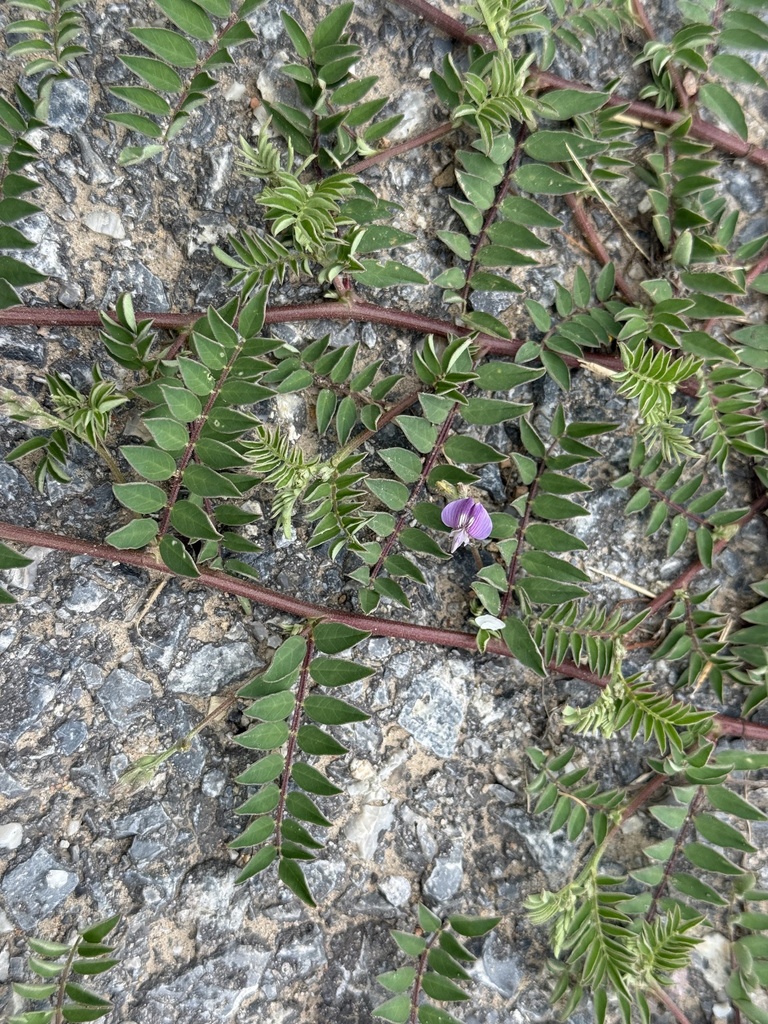
Astragalus membranaceus
In Chinese medicine an important strengthening herb ('qi tonic') for fatigue, catching colds easily and sweating. NCCIH notes there is little reliable human research.
 Caution
Asia · Herb · № 757
Astragalus complanatus
Traditionally attributed effects: strengthens kidney yang, holds in the essence and strengthens the eyesight.
 Caution
Central America and the Caribbean · Food · № 166
Persea americana
A fruit rich in monounsaturated fats, fibre and potassium; it fits a diet that is favourable for cholesterol. Avocado oil is used in skin care.
 Caution
South America · Herb · № 492
Eupatorium triplinerve
Traditionally attributed effects: stimulating, tonic, stimulates the heart, induces sweating, stops bleeding; bitter tonic for indigestion, cough and fever, against scurvy; cleanses foul ulcers.
 Caution
Asia · Herb · № 36
Panax ginseng (ook P. quinquefolius)
Research consists mostly of small, short studies; there is little evidence of health effects.
 Caution
Europe · Other · № 597
Usnea barbata
Traditionally attributed effects: antimicrobial, antifungal, immunomodulating, soothing, laxative, nourishing; against streptococci (sore throat), staphylococci, cellulitis and infected wounds, antiviral (HPV), yeast infections.
 Caution
Asia · Herb · № 542
Psoralea corylifolia
Traditionally attributed effects: laxative, expels worms, diuretic, induces sweating, antibacterial; for leprosy and leucoderma (vitiligo) internally and externally, bile complaints.
 Caution
Africa · Herb · № 398
Acacia nilotica
Traditionally attributed effects: astringent, soothing, aphrodisiac, nourishing, expectorant; for cough, diarrhoea and dysentery, sore throat and spongy gums, wounds and skin diseases, gonorrhoea, leucorrhoea, prolapse of anus and uterus.