South America · Food · № 262
Potato
Solanum tuberosum
A starchy tuber and one of the most important food crops in the world. In folk use raw slices or grated potato are laid on burns, swollen eyes and for headaches; this has not been studied.
From plant to use
A warm or cold cloth soaked in herbal tea, or crushed herb applied directly to the skin.
For a compress you soak a clean cloth in a strong infusion or decoction and lay it on the skin. For a poultice or paste you apply the crushed herb itself, often between layers of gauze. It is one of the oldest applications and appears in almost every tradition, from plantain leaves in Europe to herbal pastes in Ayurveda.
Registry
Herbs on this site whose description mentions this preparation. That does not mean every herb is safe to prepare yourself: read the safety information for each one.
South America · Food · № 262
Solanum tuberosum
A starchy tuber and one of the most important food crops in the world. In folk use raw slices or grated potato are laid on burns, swollen eyes and for headaches; this has not been studied.
Central America and the Caribbean · Food · № 818
Bixa orellana
The red seeds are used as a colouring and spice; traditionally also as a remedy.
Central America and the Caribbean · Herb · № 347
Tagetes erecta
Traditionally attributed effects: curbs sebum in oily skin, calms and prevents dehydration in dry skin, hydrates and keeps wrinkles at bay in combination skin; spiritual symbol of inner fire.
Asia · Herb · № 418
Aquilaria agallocha
Traditionally attributed effects: stimulating, strengthens the heart, tonic, carminative, promotes bile; for skin diseases, gout and rheumatism, vomiting, snake bites, pain from wounds, bronchitis in children, headache, dizziness.
Europe · Herb · № 57
Agrimonia eupatoria
An astringent, tannin-rich herb traditionally used for diarrhoea, sore throats and minor wounds. Good human research is lacking.
Asia · Herb · № 340
Trachyspermum ammi
Traditionally attributed effects: stimulating, carminative, tonic, aromatic, antispasmodic, antiseptic; for flatulence, indigestion, colic, diarrhoea, cholera, intestinal cramps; source of thymol; against worms.
Asia · Herb · № 754
Alpinia oxyphylla
Traditionally attributed effects: strengthens kidney yang and holds in urine and semen; warms the spleen in diarrhoea and drooling.
Europe · Herb · № 63
Artemisia absinthium
One of the most bitter herbs; traditionally used to stimulate appetite and digestion and against intestinal worms. Clinical evidence is limited.
South America · Herb · № 896
Ambrosia peruviana
An aromatic, hairy ragweed. In its native range it is used as a painkilling, anti-inflammatory, deworming and antiseptic remedy; good research is lacking.
Asia · Food · № 223
Prunus dulcis
Traditionally attributed effects: sweet almond soothing, stimulating, nourishing, strengthens the nerves; bitter almond soothing, laxative, calming in cough.
North America · Herb · № 628
Asarum caudatum, A. canadense en verwante soorten
Traditionally attributed effects: expels wind-cold, opens a blocked nose, warms the lung in cough with clear phlegm and expels cold and dampness in menstrual pain and other pain.
North America · Herb · № 951
Aralia racemosa
A tall perennial of the ivy family, related to ginseng, with a thick, aromatic root. Little studied.
Europe · Food · № 84
Malus domestica
A fruit rich in fibre such as pectin; grated apple is an old home remedy for mild diarrhoea. No specific medicinal effect has been proven.
Asia · Herb · № 569
Vernonia cinerea
Traditionally attributed effects: fever-reducing, induces sweating, cleansing; decoction promotes sweating in fever; seeds antidote, expel worms, for leprosy and chronic skin diseases; plant for bladder cramps, difficult urination, haemorrhoids; flowers for conjunctivitis.
CautionAsia · Herb · № 757
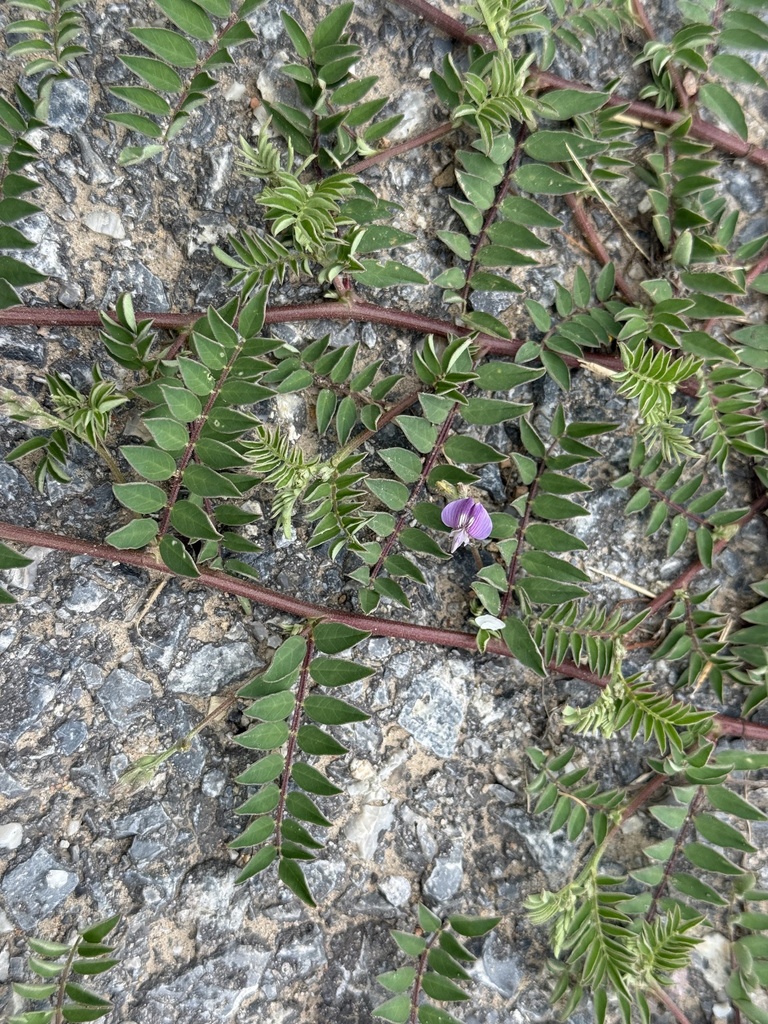
Astragalus complanatus
Traditionally attributed effects: strengthens kidney yang, holds in the essence and strengthens the eyesight.
Asia · Herb · № 542
Psoralea corylifolia
Traditionally attributed effects: laxative, expels worms, diuretic, induces sweating, antibacterial; for leprosy and leucoderma (vitiligo) internally and externally, bile complaints.
Asia · Herb · № 526
Mimusops elengi
Traditionally attributed effects: expels worms, antihistamine, astringent, aromatic, strengthens the heart, tonic, fever-reducing; for catarrh of the bladder and urethra, fever, gum and tooth diseases, leucoderma, heart disease, snake bites, chronic dysentery.
Asia · Herb · № 552
Sida cordifolia
Traditionally attributed effects: cooling, astringent, stomachic, tonic, fever-reducing, soothing, diuretic; contains an ephedrine-like substance.
Asia · Herb · № 496
Ficus benghalensis
Traditionally attributed effects: antiseptic, aphrodisiac, astringent, cooling, stops bleeding, lowers blood sugar; leaves for diarrhoea and dysentery; milky sap externally for pain, bruises, ulcers, rheumatism, lumbago; bark for diabetes, gonorrhoea.
Asia · Herb · № 431
Barleria prionitis
Traditionally attributed effects: cleansing, diuretic, tonic, fever-reducing; catarrh in children, prevents cracked feet, bleeding gums, toothache, ear infection, oedema, whooping cough, snake bites.
North America · Herb · № 939
Uvularia perfoliata
A low plant with hanging, pale yellow bells and leaves that clasp the stem. Little is known about its compounds.
Europe · Herb · № 93
Betonica officinalis (syn. Stachys officinalis)
Traditionally used for tension headaches and nervousness. Modern clinical research is lacking.
Asia · Herb · № 354
Eclipta prostrata
Traditionally attributed effects: strengthens the liver, decongestant, tonic, cleansing, antiviral; for enlarged liver and spleen, skin diseases, fever, oedema, rheumatism; hair oil for black and full hair; for swollen glands, elephantiasis, headache and toothache.
Europe · Herb · № 64
Artemisia vulgaris
Traditionally used as a digestive bitter and to bring on delayed periods. Clinical evidence is largely lacking.
North America · Herb · № 372
Sanguinaria canadensis
Traditionally attributed effects: stimulating, emetic, expectorant, restorative; part of escharotic treatment for cervical dysplasia, warms lungs/stomach/uterus, promotes coughing up.
North America · Herb · № 151
Eupatorium perfoliatum
Traditionally used for fever and flu with aching muscles; the name refers to 'break-bone fever'. There is hardly any modern clinical research.
Europe · Food · № 73
Fragaria vesca
The tannin-rich leaf was traditionally used for mild diarrhoea; the fruit is a treat rich in vitamin C. Medical evidence is lacking.
North America · Herb · № 306
Hydrangea arborescens
Traditionally attributed effects: diuretic, laxative, stimulates the kidneys.
Asia · Herb · № 463
Cissus quadrangularis
Traditionally attributed effects: cleansing, stomachic; speeds bone healing in fractures, stem juice for irregular menstruation and scurvy, for asthma, indigestion, ear infection and nosebleeds.
Asia · Herb · № 557
Strychnos nux-vomica
Traditionally attributed effects: strengthens the nerves, stomachic, tonic, aphrodisiac, stimulates the spinal cord, breathing and heart.
Asia · Herb · № 353
Bacopa monnieri
Traditionally attributed effects: strengthens the heart and nerves, diuretic, mildly laxative, calming; for urinary retention with constipation, acute bronchitis and cough in children, exhaustion and nervous breakdown, hysteria, epilepsy, hoarseness.
Europe · Food · № 48
Urtica dioica
A food and fiber plant with a long tradition in folk medicine. Medical claims are not established.
North America · Herb · № 630
Scrophularia californica, S. lanceolata
Traditionally attributed effects: cools heat in the blood and nourishes yin, drains damp heat and disperses swellings.
North America · Herb · № 582
Solidago canadensis
Traditionally attributed effects: astringent, antiseptic, anti-inflammatory, wound-healing; heals the bladder wall (incontinence, irritation), for allergies and stuck mucus after a cold, eyewash for hay fever.
South America · Herb · № 852
Drimys winteri
A tree with a peppery, bitter bark. As Winter's bark it was a remedy for scurvy for centuries; otherwise its effects are little studied.
Central America and the Caribbean · Herb · № 161
Capsicum frutescens
Capsaicin from chilli peppers is used externally for nerve pain and joint pain; high-dose capsaicin patches are an approved medicine. Internally it is mainly a warming spice.