Skip to content
Herbs & Cultures

Tradition in Asia

Jamu in Indonesia

Roots in the Mataram era (8th–10th century); UNESCO heritage since 2023

Image of Benzoin
Benzoin, Styrax benzoinFranz Eugen Köhler, Köhler's Medizinal-Pflanzen · Public domain

History

Jamu is the traditional herbal medicine of Indonesia, especially of Java and Bali. Its roots go far back. Stone mortars from the site of Liyangan in Central Java, from the Mataram era of the eighth to tenth centuries, and reliefs on Borobudur already point to the preparation of herbs.

At the courts of Java, in Surakarta and Yogyakarta, the knowledge was refined. Princesses and ladies of the court used jamu for beauty and health. In the nineteenth century much of that knowledge was written down.

In the twentieth century a large jamu industry arose. Well-known brands such as Nyonya Meneer, founded in 1919, and Sido Muncul turned jamu into a mass product. In 2023 UNESCO recognised “jamu wellness culture” as intangible heritage.

Key ideas

Jamu is about health in a broad sense: staying fit, being beautiful, recovering after childbirth and preventing illness. It is less a medicine for the sick than everyday care.

Jamu always consists of a mixture of herbs. A well-known recipe is kunyit asam, of turmeric and tamarind. Another is beras kencur, of rice and kencur.

Jamu is also connected with the Javanese idea of balance and harmony, between body and mind and between people and their surroundings.

Knowledge and its transmission

Knowledge often passes from mother to daughter. A famous image is the jamu gendong: a woman who walks the streets with a basket full of bottles of jamu on her back, selling fresh jamu.

Jamu gendong is a home industry. The women make the drinks themselves, fresh every morning, with simple tools.

There are also large factories, herbal shops and jamu cafés in cities. Indonesia’s food and drug agency, BPOM, divides traditional remedies into three classes: jamu, standardised herbal medicines and phytopharmaceuticals, which have been clinically tested.

Texts and figures

An important source is the Serat Centhini, written between 1814 and 1823 at the court of Surakarta. This great Javanese work contains hundreds of recipes for jamu, with dozens of plants, alongside prayers and incantations.

Other Javanese manuscripts, called primbon, also contain knowledge about jamu.

UNESCO’s 2023 recognition describes jamu as a living culture of wellbeing, shared by Indonesians of every background.

Today

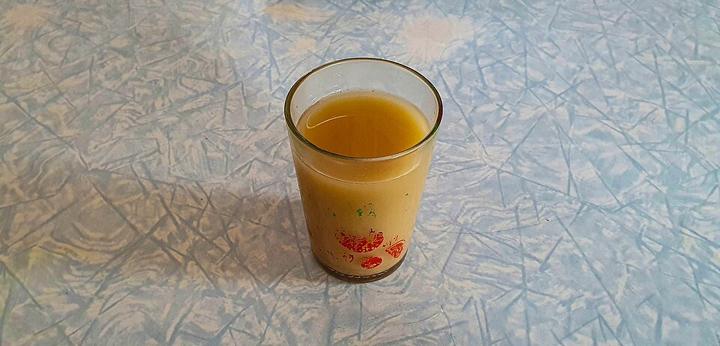
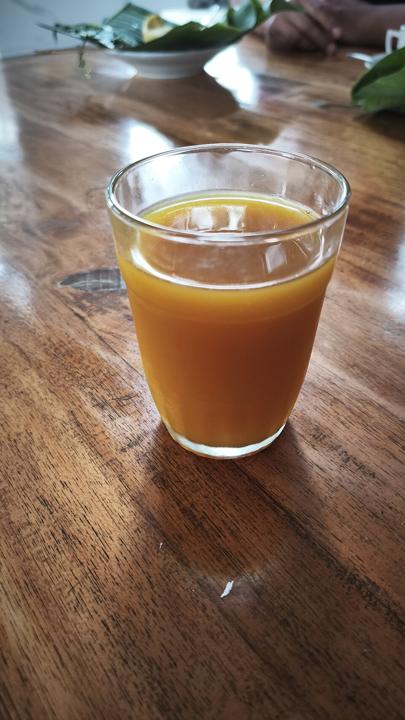
Jamu is still drunk daily in Indonesia, from a glass from a street vendor to packaged powders and capsules. There are modern jamu cafés and the industry is large.

The government encourages research into jamu, with the aim of putting more remedies on a scientific footing and including them in healthcare.

Jamu is also known outside Indonesia, including in the Netherlands through the Indo and Indonesian community.

Nature in the tradition

The basis of jamu lies in rhizomes of the ginger family: turmeric (kunyit), temulawak, kencur, ginger (jahe) and galangal (lengkuas).

Leaves are used too, such as those of sirih (betel) and sambiloto, and spices such as cinnamon and cloves. Tamarind gives a sour taste.

Jamu is often sweetened with palm sugar or honey and sometimes mixed with an egg.

Approaching it with respect

Jamu is a living, everyday culture of Indonesian families, especially of women. If you are interested, choose fair products.

Note: some packaged “jamu” has in the past been adulterated with drugs, such as anti-inflammatories or slimming agents. Buy only registered products.

From the kitchen

Recipes from this tradition

Registry

Herbs in this tradition

  • Caution

    Asia · Herb · № 410

    Rasamala

    Altingia excelsa

    Traditionally attributed effects: stimulating, expectorant, pain-relieving, carminative, anti-inflammatory, antiseptic; for throat complaints, scabies, leucoderma, colic in children, inflamed testicle.

    Ayurveda+1
  • Caution

    Asia · Food · № 267

    Rice

    Oryza sativa

    Traditionally attributed effects: easily digestible, the basis of healing food; good for skin and hair.

    Ayurveda+4Folklore
  • Caution

    Asia · Herb · № 140

    Sandalwood

    Santalum album

    Used in Ayurveda as a 'cooling' remedy for skin irritation and urinary complaints; the oil is used in aromatherapy. Clinical evidence is limited.

    Ayurveda+6Folklore
  • Caution

    Asia · Herb · № 745

    Sappan wood (su mu)

    Biancaea sappan (syn. Caesalpinia sappan)

    Traditionally attributed effects: lets the blood flow in menstrual pain and injury.

    Chinese medical traditions+1
  • Caution

    Asia · Herb · № 535

    Screwpine

    Pandanus tectorius

    Traditionally attributed effects: bitter, laxative, aromatic; leaves for leprosy, smallpox, scabies, syphilis, leucoderma; anthers for earache, headache and blood diseases; oil for headache and rheumatism.

    Ayurveda+1
  • Caution

    Asia · Herb · № 534

    Skunkvine

    Paederia foetida

    Traditionally attributed effects: diuretic, anti-inflammatory, antispasmodic; for urinary retention, bladder stones, haemorrhoids, inflamed spleen, diarrhoea in children, rheumatism and stiff joints, abdomen bloated by gas.

    Ayurveda+1
  • Caution

    Africa · Food · № 560

    Tamarind

    Tamarindus indica

    Traditionally attributed effects: ripe fruit sour, cooling, carminative, laxative, antiscorbutic, promotes bile; for inflamed swellings, bilious vomiting, conjunctivitis (flowers), bleeding haemorrhoids, throat complaints, ulcers, paralysis (bark), gonorrhoea (ash).

    Local African healing traditions+3
  • Caution

    Asia · Herb · № 829

    Temulawak (Javanese turmeric)

    Curcuma zanthorrhiza

    A rhizome of the ginger family, used in jamu for digestive complaints, to stimulate appetite and for the liver.

    Jamu in Indonesia
  • Caution

    Asia · Herb · № 350

    Vetiver

    Chrysopogon zizanioides

    Traditionally attributed effects: supports circulation and weight loss (scrub).

    Ayurveda+1
  • Caution

    Asia · Herb · № 466

    Butterfly pea

    Clitoria ternatea

    Traditionally attributed effects: root mildly laxative, diuretic, expels worms; seeds strongly laxative; for ascites, enlarged abdominal organs, migraine (flower juice), gonorrhoea, bladder irritation, ulcers, swollen joints.

    Ayurveda+1
  • Caution

    Asia · Herb · № 478

    Zedoary

    Curcuma zedoaria

    Traditionally attributed effects: stimulating, carminative, expectorant, soothing, diuretic, skin-irritant, purifies the blood.

    Ayurveda+3
  • Caution

    Asia · Herb · № 135

    Black pepper and long pepper

    Piper nigrum

    Important warming spices in Ayurveda, used for sluggish digestion and colds. Piperine from pepper increases the absorption of some substances, such as curcumin.

    Ayurveda+5Folklore