Skip to content
Herbs & Cultures

Tradition in Asia

Unani medicine

Roots in Greco-Roman antiquity; developed in the Islamic world from the 9th century

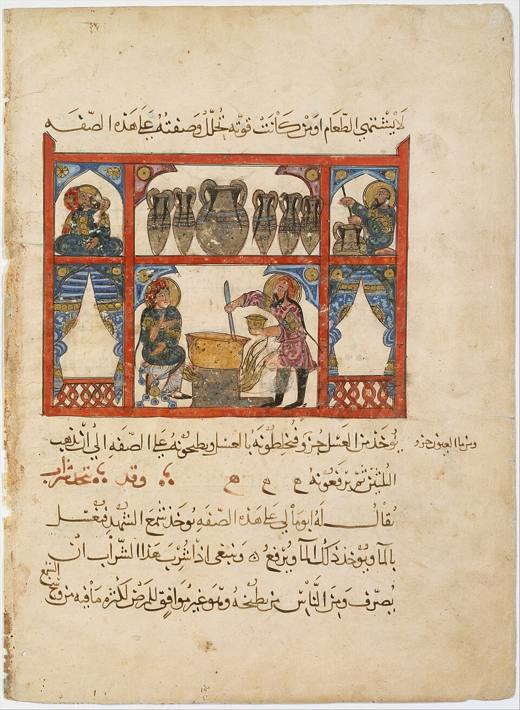
Preparing medicine from honey, from an Arabic translation of Dioscorides (1224).
Preparing medicine from honey, from an Arabic translation of Dioscorides (1224). The Metropolitan Museum of Art · CC0

History

Unani comes from the Arabic and Persian word Yunani, “Greek”. The tradition builds on the Greek medicine of Hippocrates and Galen, which was translated, preserved and greatly expanded in the Islamic world.

From the ninth century scholars in Baghdad translated Greek medical works into Arabic. Persian and Arab physicians such as al-Razi (865–925) and Ibn Sina (980–1037) built a rich system on them. Ibn Sina’s Canon of Medicine was studied for centuries in the Islamic world and in Europe.

From the thirteenth century Unani came to South Asia with the Delhi Sultanate and later the Mughal emperors, where it flourished. After British rule, physicians such as Hakim Ajmal Khan (1868–1927) worked to preserve the tradition. He founded the Tibbia College in Delhi in 1916.

Key ideas

Unani starts from four bodily humours: blood (dam), phlegm (balgham), yellow bile (safra) and black bile (sauda). Their proportion determines a person’s temperament, mizaj, which is hot, cold, dry or moist.

Health is the balance of the humours, and illness is a disturbance of it. The body has its own healing power, tabiyat, which the physician must support.

Six “essential factors” determine health: air, food and drink, movement and rest, sleep and wakefulness, intake and excretion, and emotions. A good way of life is therefore the basis of treatment.

Knowledge and its transmission

A Unani physician is called a hakim. For centuries knowledge passed from master to pupil, often within families of hakims.

A Unani physician treats in four ways: with lifestyle and regimen (ilaj bil tadbeer), such as cupping, bloodletting with leeches, massage and baths; with diet (ilaj bil ghiza); with remedies (ilaj bil dawa); and in exceptional cases with surgery.

Today universities in India train students for the Bachelor of Unani Medicine and Surgery (BUMS). In India Unani falls under the Ministry of AYUSH.

Texts and figures

Ibn Sina’s Canon of Medicine, completed around 1025, is the most important work. It has five books, on principles, remedies, diseases by part of the body, general diseases and compound remedies.

Al-Razi wrote, among other works, the Kitab al-Hawi, a large collection of clinical observations, and a famous treatise on smallpox and measles.

In South Asia hakims wrote their own works in Persian and Urdu.

Today

Unani is practised mainly in India, Pakistan and Bangladesh, with its own hospitals, clinics and pharmacies. In India it is a recognised system of care alongside conventional medicine.

A well-known company is Hamdard, founded in Delhi in 1906 by Hakim Hafiz Abdul Majeed. Among other things it makes the rose syrup Rooh Afza, which is widely drunk in South Asia, especially during Ramadan.

Cupping, hijama, is also experiencing a revival outside South Asia, including among Muslims in Europe.

Nature in the tradition

The Unani pharmacy is rich in plants from the Middle East and South Asia. Black seed (kalonji) is highly valued. Saffron, rose, senna and liquorice are important remedies.

Cinnamon, pomegranate and fenugreek are also widely used. Remedies are often prepared as a syrup (sharbat), a jam (majoon) or a decoction.

According to the teaching every remedy has its own temperament, hot or cold, dry or moist, and is chosen to bring the patient’s temperament into balance.

Approaching it with respect

Unani is a learned tradition that Muslims, Hindus and others in South Asia shaped together. It shows how knowledge travels between cultures.

Some Unani remedies contain metals or minerals. Cupping with incisions (wet cupping) must be done hygienically. Consult a doctor.

From the kitchen

Recipes from this tradition

Registry

Herbs in this tradition

  • Caution

    Asia · Herb · № 418

    Agarwood

    Aquilaria agallocha

    Traditionally attributed effects: stimulating, strengthens the heart, tonic, carminative, promotes bile; for skin diseases, gout and rheumatism, vomiting, snake bites, pain from wounds, bronchitis in children, headache, dizziness.

    Ayurveda+3
  • Caution

    Asia · Herb · № 340

    Ajwain

    Trachyspermum ammi

    Traditionally attributed effects: stimulating, carminative, tonic, aromatic, antispasmodic, antiseptic; for flatulence, indigestion, colic, diarrhoea, cholera, intestinal cramps; source of thymol; against worms.

    Ayurveda+1
  • Caution

    Europe · Herb · № 523

    Corn mint

    Mentha arvensis

    Traditionally attributed effects: aromatic, carminative, stimulating, antispasmodic, promotes menstruation, antiseptic, stomachic, cooling, diuretic; leaf juice for diarrhoea and dysentery, tea for rheumatism and indigestion.

    Ayurveda+2
  • Caution

    Africa · Herb · № 4

    Aloe vera

    Aloe vera

    The gel from the leaf is used externally to soothe the skin and for minor burns. Research on wound healing gives mixed results; the gel is no substitute for wound care.

    Kallawaya healing knowledge+6Folklore
  • Caution

    Asia · Food · № 223

    Almond

    Prunus dulcis

    Traditionally attributed effects: sweet almond soothing, stimulating, nourishing, strengthens the nerves; bitter almond soothing, laxative, calming in cough.

    Ayurveda+2Folklore
  • Caution

    Asia · Herb · № 349

    Amla

    Phyllanthus emblica

    Traditionally attributed effects: fresh fruit cooling, diuretic, laxative, stomachic; bark astringent; for lung and eye inflammation, hair growth, asthma, bronchitis, bile complaints, bleeding, diarrhoea, dysentery, anaemia, jaundice.

    Ayurveda+2
  • Caution

    Asia · Herb · № 228

    Anise

    Pimpinella anisum

    Traditionally attributed effects: gives a natural lip-plumping effect.

    Unani medicine+2Folklore
  • Caution

    Africa · Herb · № 450

    Apple of Sodom

    Calotropis procera

    Traditionally attributed effects: root bark for dysentery and elephantiasis; leaves for intermittent fever; milky sap irritant and laxative; flowers for colds, cough, asthma and indigestion.

    Local African healing traditions+2
  • Caution

    Africa · Herb · № 371

    Gum arabic (acacia)

    Acacia senegal

    A soluble fibre that forms a mucilaginous solution in water. It soothes the throat and stomach and is being studied as a prebiotic; it can cause wind and bloating. There is no evidence that it treats viral infections such as HPV.

    Ancient Egyptian medicine+2
  • Caution

    Asia · Herb · № 17

    Ashwagandha

    Withania somnifera

    An Ayurvedic medicinal plant. Some preparations have been studied for stress and sleep, but evidence is limited and products vary.

    Ayurveda+2
  • Caution

    Africa · Herb · № 398

    Babul tree

    Acacia nilotica

    Traditionally attributed effects: astringent, soothing, aphrodisiac, nourishing, expectorant; for cough, diarrhoea and dysentery, sore throat and spongy gums, wounds and skin diseases, gonorrhoea, leucorrhoea, prolapse of anus and uterus.

    Ancient Egyptian medicine+3
  • Caution

    Asia · Herb · № 404

    Bael fruit

    Aegle marmelos

    Traditionally attributed effects: ripe fruit cooling, nourishing, mildly laxative; unripe fruit astringent and aids digestion; for chronic diarrhoea and dysentery, asthma (leaves), intermittent fever, melancholy and palpitations.

    Ayurveda+1
  • Caution

    Africa · Herb · № 413

    Pellitory root

    Anacyclus pyrethrum

    Traditionally attributed effects: promotes salivation, strengthens the nerves; for toothache and caries, sore throat, tonsillitis, epilepsy, rheumatism.

    Ayurveda+3
  • Caution

    Asia · Herb · № 563

    Bibhitaki

    Terminalia bellerica

    Traditionally attributed effects: astringent, tonic, expectorant, laxative (unripe fruit), cleansing.

    Ayurveda+2
  • Caution

    Europe · Herb · № 513

    Henbane

    Hyoscyamus niger

    Traditionally attributed effects: intoxicating, narcotic, pain-relieving, calming, antispasmodic, dilates the pupils.

    Greco-Roman medicine+3
  • Caution

    Asia · Herb · № 439

    Blepharis

    Blepharis edulis

    Traditionally attributed effects: resolvent, diuretic, aphrodisiac, expectorant; for impotence, blood, chest, lung and liver diseases; leaves for fever, urinary discharge, leucoderma; root regulates menstruation.

    Ayurveda+1
  • Caution

    Asia · Herb · № 396

    Catechu

    Acacia catechu

    Traditionally attributed effects: strongly astringent; for chronic diarrhoea and dysentery, bleeding haemorrhoids, uterine bleeding, leucorrhoea; bleeding or inflamed gums, mouth ulcers, enlarged tonsils; bedsores; promotes milk flow.

    Ayurveda+2
  • Caution

    Africa · Herb · № 453

    Chaksu

    Cassia absus

    Traditionally attributed effects: bitter, astringent, lowers blood pressure; leaves for cough; seeds for ringworm, skin diseases, conjunctivitis and eye inflammation.

    Ayurveda+1
  • Caution

    Asia · Food · № 572

    Chinese jujube

    Zizyphus vulgaris

    Traditionally attributed effects: diuretic, lowers blood sugar, soothing, soothing to the chest.

    Ayurveda+3
  • Caution

    Asia · Herb · № 137

    Chinese rhubarb

    Rheum palmatum

    The root (da huang) contains anthraquinones, making it a strong laxative. In small amounts its tannins have the opposite, binding effect. Its mechanism is well understood.

    Chinese medical traditions+4
  • Caution

    Asia · Herb · № 558

    Chiretta

    Swertia chirata

    Traditionally attributed effects: bitter tonic, stomachic, expels worms, laxative, cleansing, antidiarrhoeal, antipyretic; for intermittent fever, skin diseases, intestinal worms, asthma, hiccups and vomiting, gout; scorpion stings.

    Ayurveda+2
  • Caution

    Europe · Herb · № 225

    Chicory

    Cichorium intybus

    Traditionally attributed effects: diuretic, laxative, tonic.

    Western herbal medicine+2
  • Caution

    Europe · Herb · № 85

    Lemon balm

    Melissa officinalis

    Traditionally used for restlessness, sleep problems and a nervous stomach; externally for cold sores. Small studies suggest a mild calming effect, but evidence is limited.

    Monastic and folk knowledge+7Folklore
  • Caution

    Asia · Herb · № 215

    Dill

    Anethum graveolens

    Traditionally attributed effects: carminative.

    Ayurveda+4Folklore
  • Caution

    Europe · Food · № 245

    Grape

    Vitis vinifera

    Traditionally attributed effects: soothing, laxative, cooling, stomachic, diuretic; for bilious indigestion, bleeding, painful urination, chronic bronchitis, heart disease, gout; juice for constipation in children.

    Folk magic and herbal magic+3Folklore
  • Caution

    Asia · Herb · № 495

    Asafoetida

    Ferula foetida

    Traditionally attributed effects: stimulating, carminative, antispasmodic, expectorant, mildly laxative, expels worms, promotes menstruation, stimulates nerves and lungs.

    Ayurveda+3
  • Caution

    Africa · Herb · № 118

    Fenugreek

    Trigonella foenum-graecum

    The seed has been studied for blood sugar and for increasing breast milk. NCCIH reports there is not enough strong evidence for these uses.

    Ancient Egyptian medicine+5Folklore
  • Caution

    Asia · Herb · № 119

    Galangal

    Alpinia galanga

    A relative of ginger traditionally used for nausea, wind and sluggish digestion. Clinical evidence is limited.

    Ayurveda+6
  • Caution

    Asia · Herb · № 468

    Golden colchicum

    Colchicum luteum

    Traditionally attributed effects: cleansing, carminative, laxative, aphrodisiac; for gout, rheumatism, liver and spleen diseases; externally against inflammation and pain.

    Ayurveda+1
  • Caution

    Asia · Food · № 343

    Pomegranate

    Punica granatum

    Traditionally attributed effects: root and stem bark astringent and strongly expel tapeworm; flowers and peel astringent and stomachic; juice cooling.

    Ayurveda+3
  • Caution

    Asia · Herb · № 344

    Cardamom

    Elettaria cardamomum

    Traditionally attributed effects: aromatic, pungent, strengthens the heart, stomachic, laxative, diuretic, carminative; for asthma, bronchitis, haemorrhoids, bladder complaints, flatulence, cramps from laxatives, dizziness, indigestion, vomiting.

    Ayurveda+2
  • Caution

    Asia · Herb · № 144

    Guduchi (giloy)

    Tinospora cordifolia

    In Ayurveda a rejuvenating remedy (rasayana) for fevers and the immune system. Studies are small; it has no proven effect against infections.

    Ayurveda+2
  • Caution

    Asia · Herb · № 142

    Guggul

    Commiphora wightii (syn. C. mukul)

    The resin is used in Ayurveda for joint complaints, overweight and high cholesterol. A US study found no reduction in cholesterol; LDL even rose slightly.

    Ayurveda+2
  • Caution

    Asia · Herb · № 506

    Gymnema

    Gymnema sylvestre

    Traditionally attributed effects: astringent, stomachic, tonic, cooling, diuretic, lowers blood sugar (suppresses sweet taste); for diabetes and sugar in the urine, snake bites, fever, cough, swollen glands.

    Ayurveda+1
  • Caution

    Africa · Herb · № 536

    Syrian rue

    Peganum harmala

    Traditionally attributed effects: cleansing, antipyretic, stimulating, promotes menstruation; against tapeworm, intermittent fever and chronic malaria, pain-relieving in asthma, colic, jaundice; promotes milk and menstruation; gargle for sore throat; against head lice.

    Local African healing traditions+2
  • Caution

    Asia · Herb · № 524

    Ceylon ironwood

    Mesua ferrea

    Traditionally attributed effects: blossoms, root and bark bitter, aromatic, induce sweating; dried flowers astringent, stomachic, carminative; for heavy colds, gastritis, bronchitis, vomiting, dysentery, thirst, excessive sweating, bleeding haemorrhoids.

    Ayurveda+1