 Caution
Asia · Food · № 269
Barley
Hordeum vulgare
Traditionally attributed effects: astringent, light; good for skin and hair.
Ayurveda+4Folklore
Curanderismo of northern Peru →
The warm herbal drink poured from a cart on every street corner in Peru.
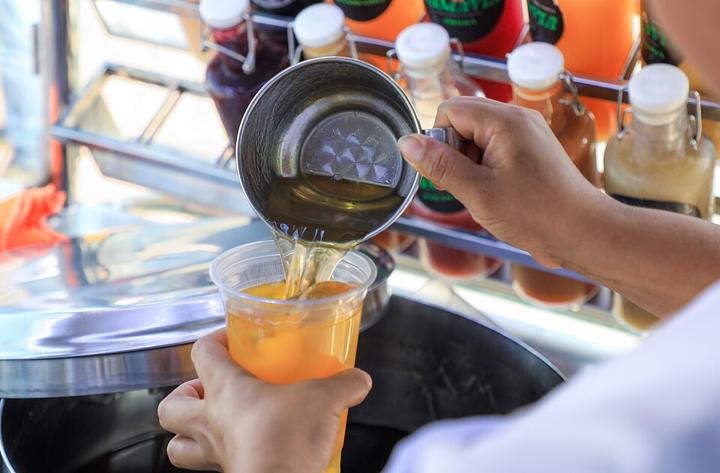
Emoliente is not a curandero's recipe but the popular drink of all Peru, drawing on the same herbal knowledge. The base is roasted barley with linseed, which makes the drink slightly mucilaginous; herbs such as horsetail and alfalfa are added, along with lemon. The emolientero mixes each cup to the customer's wishes.
50 g roasted barley 1 tbsp dried horsetail
 1 tbsp dried alfalfa
 Juice of 1 lemon
Registry
Read more about effects and safety on each herb’s page.
CautionAsia · Food · № 269
Hordeum vulgare
Traditionally attributed effects: astringent, light; good for skin and hair.
 Caution
Europe · Food · № 83
Linum usitatissimum
Ground flaxseed acts as a gentle bulk-forming fibre for constipation. NCCIH reports it may lower cholesterol slightly; evidence for other claims is unclear.
CautionSouth America · Herb · № 888
Equisetum giganteum
A large horsetail, rich in silica. Traditionally used as a diuretic, like European field horsetail; good evidence is lacking.
CautionAsia · Herb · № 376
Medicago sativa
Traditionally attributed effects: calming and moisture-restoring for dry skin.
CautionAsia · Food · № 221
Citrus limon
Traditionally attributed effects: anti-inflammatory, antihistamine, diuretic, strengthens the veins.
Cultures and traditions
The herbs in this recipe also appear in these traditions.