North America · Herb · № 575
Black haw
Viburnum prunifolium
Traditionally attributed effect: antispasmodic and relaxing, especially for menstrual and uterine cramps. Clinical research is lacking; that it can prevent miscarriage has not been shown.
Tradition in Europe
From medieval herbals to present-day phytotherapy

With the invention of printing, the great herbals arrived in the fifteenth and sixteenth centuries. In 1485 the Gart der Gesundheit appeared in Mainz. In 1542 Leonhart Fuchs published De historia stirpium, with beautiful woodcuts drawn from nature.
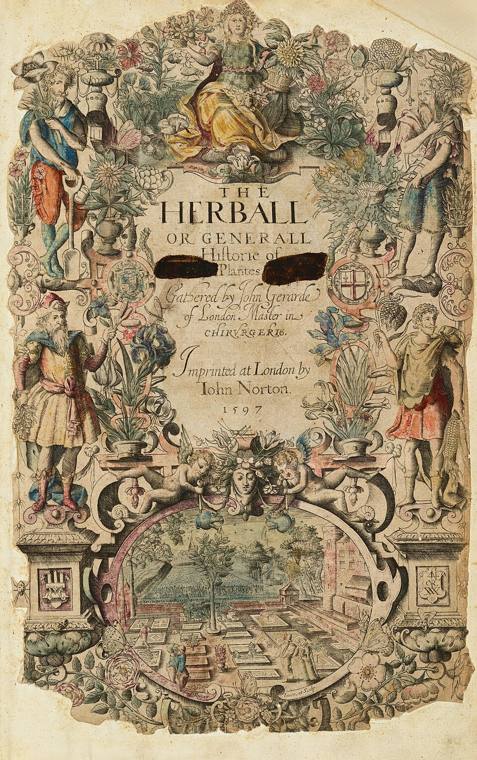
The Low Countries played a large role. The Mechelen physician Rembert Dodoens published his Cruydeboeck in Antwerp in 1554, one of the most important herbals of its time, which was translated into many languages. In England John Gerard’s Herball appeared in 1597, and in 1652 The English Physitian by Nicholas Culpeper, who made the knowledge accessible to ordinary people in English.
From the eighteenth century science grew out of herbalism. In 1785 William Withering described how foxglove helped with dropsy caused by heart failure. In the nineteenth century chemists isolated active substances from plants, such as morphine from the opium poppy in 1804. In 1897 Bayer made aspirin, based on a substance also found in willow bark and meadowsweet.
For a long time Western herbalism was based on the doctrine of the humours. Every herb had a temperament, warm or cold, dry or moist.
In the sixteenth century the doctrine of signatures became popular. According to Paracelsus and others, God had placed a sign of a plant’s effect in its shape or colour: a plant with heart-shaped leaves would be good for the heart. Culpeper moreover linked every plant to a planet.
Modern phytotherapy works differently. It looks for active substances, standardised extracts and scientific evidence, though traditional knowledge lives on too.
Knowledge spread through books, apothecaries and physicians, and through ordinary people who had herbals at home. Apothecaries made remedies according to pharmacopoeias, official books of recipes.
In the twentieth century the paths parted. Conventional medicine went on with pure substances and synthetic drugs. Herbalists, naturopaths and phytotherapists continued the herbal tradition, often with their own training.
In Germany phytotherapy remained an ordinary part of healthcare, with herbal medicines that doctors prescribe.
Dodoens’ Cruydeboeck of 1554 describes hundreds of plants with their names, features and uses. It is a pride of Dutch-language science.
Culpeper’s The English Physitian is still in print today. Gerard’s Herball and Fuchs’ De historia stirpium are famous for their illustrations.
In 1785 William Withering wrote An Account of the Foxglove, one of the first careful studies of the effect of a plant in patients.
In the European Union, since Directive 2004/24/EC, traditional herbal remedies may be registered as medicines if they have been in use for at least thirty years, fifteen of them in the EU, and are safe. The European Medicines Agency draws up monographs on many medicinal plants.
Many modern medicines originally come from plants. Herbal teas and herbal supplements are popular.
There is also criticism: some herbal supplements are poorly studied, and quality varies greatly.
Western herbalism uses many native European plants. Chamomile for stomach ache and inflammation, valerian for restlessness and sleeplessness, St John’s wort for low mood, peppermint for bowel complaints.
Calendula is used for the skin, yarrow for wounds, thyme for coughs. Western herbalism also took in plants from other continents, such as echinacea from America.
Foxglove, willow and the opium poppy show how plants lie at the basis of modern medicines.
“Natural” does not automatically mean safe. Foxglove is deadly poisonous. St John’s wort has many interactions with medicines, such as the contraceptive pill, blood thinners and antidepressants.
Consult a doctor or pharmacist before combining herbal remedies with medicines.
From the kitchen
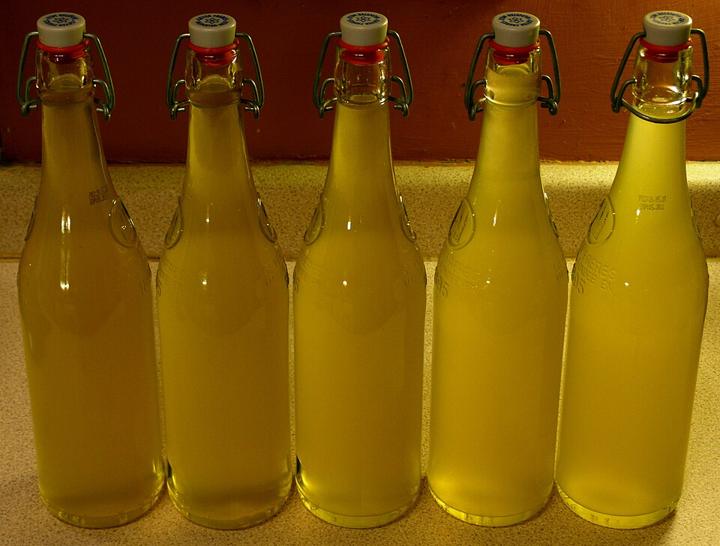
Jim Champion from Southampton, UK · CC BY-SA 2.0EuropeElderflower cordialThe scent of June in a bottle: a syrup of elderflower and lemon.Hot daysElderberry · LemonAbout 1.5 litres of cordial · 30 minutes, plus 1–2 days steepingRegistry
North America · Herb · № 575
Viburnum prunifolium
Traditionally attributed effect: antispasmodic and relaxing, especially for menstrual and uterine cramps. Clinical research is lacking; that it can prevent miscarriage has not been shown.
North America · Herb · № 576
Juglans nigra
Traditionally attributed effects: cleansing, laxative, astringent, antibacterial, antiparasitic, antifungal; cleanses and strengthens the large intestine, for skin problems, traveller's diarrhoea, sinusitis, underactive thyroid.