 Caution
North America · Herb · № 294
False unicorn root
Chamaelirium luteum
Traditionally attributed effects: diuretic, uterine tonic, emetic.
Indigenous healing traditions of North America+2
Tradition in Europe
From medieval herbals to present-day phytotherapy
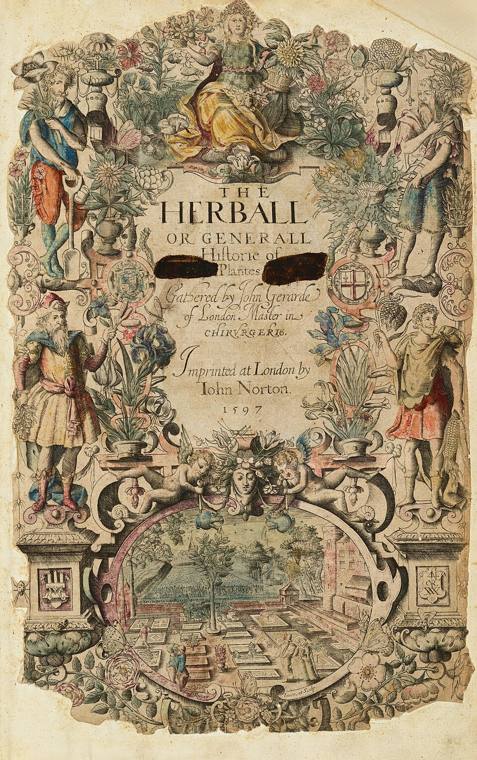
With the invention of printing, the great herbals arrived in the fifteenth and sixteenth centuries. In 1485 the Gart der Gesundheit appeared in Mainz. In 1542 Leonhart Fuchs published De historia stirpium, with beautiful woodcuts drawn from nature.
The Low Countries played a large role. The Mechelen physician Rembert Dodoens published his Cruydeboeck in Antwerp in 1554, one of the most important herbals of its time, which was translated into many languages. In England John Gerard’s Herball appeared in 1597, and in 1652 The English Physitian by Nicholas Culpeper, who made the knowledge accessible to ordinary people in English.
From the eighteenth century science grew out of herbalism. In 1785 William Withering described how foxglove helped with dropsy caused by heart failure. In the nineteenth century chemists isolated active substances from plants, such as morphine from the opium poppy in 1804. In 1897 Bayer made aspirin, based on a substance also found in willow bark and meadowsweet.
For a long time Western herbalism was based on the doctrine of the humours. Every herb had a temperament, warm or cold, dry or moist.
In the sixteenth century the doctrine of signatures became popular. According to Paracelsus and others, God had placed a sign of a plant’s effect in its shape or colour: a plant with heart-shaped leaves would be good for the heart. Culpeper moreover linked every plant to a planet.
Modern phytotherapy works differently. It looks for active substances, standardised extracts and scientific evidence, though traditional knowledge lives on too.
Knowledge spread through books, apothecaries and physicians, and through ordinary people who had herbals at home. Apothecaries made remedies according to pharmacopoeias, official books of recipes.
In the twentieth century the paths parted. Conventional medicine went on with pure substances and synthetic drugs. Herbalists, naturopaths and phytotherapists continued the herbal tradition, often with their own training.
In Germany phytotherapy remained an ordinary part of healthcare, with herbal medicines that doctors prescribe.
Dodoens’ Cruydeboeck of 1554 describes hundreds of plants with their names, features and uses. It is a pride of Dutch-language science.
Culpeper’s The English Physitian is still in print today. Gerard’s Herball and Fuchs’ De historia stirpium are famous for their illustrations.
In 1785 William Withering wrote An Account of the Foxglove, one of the first careful studies of the effect of a plant in patients.
In the European Union, since Directive 2004/24/EC, traditional herbal remedies may be registered as medicines if they have been in use for at least thirty years, fifteen of them in the EU, and are safe. The European Medicines Agency draws up monographs on many medicinal plants.
Many modern medicines originally come from plants. Herbal teas and herbal supplements are popular.
There is also criticism: some herbal supplements are poorly studied, and quality varies greatly.
Western herbalism uses many native European plants. Chamomile for stomach ache and inflammation, valerian for restlessness and sleeplessness, St John’s wort for low mood, peppermint for bowel complaints.
Calendula is used for the skin, yarrow for wounds, thyme for coughs. Western herbalism also took in plants from other continents, such as echinacea from America.
Foxglove, willow and the opium poppy show how plants lie at the basis of modern medicines.
“Natural” does not automatically mean safe. Foxglove is deadly poisonous. St John’s wort has many interactions with medicines, such as the contraceptive pill, blood thinners and antidepressants.
Consult a doctor or pharmacist before combining herbal remedies with medicines.
From the kitchen
 AsiaSweating tea with elder, yarrow and mintA classic hot tea for the start of a cold with fever and little sweating.ColdsSore throatElderberry · Yarrow · MintAbout 4 cups · Steep 15–30 minutes
 AsiaCooling sun teaHerbs that steep in the sun for a few hours: a refreshing drink for warm days.Hot daysBorage · Lemon balm · Bitter orange3 litres · 4–6 hours in the sun
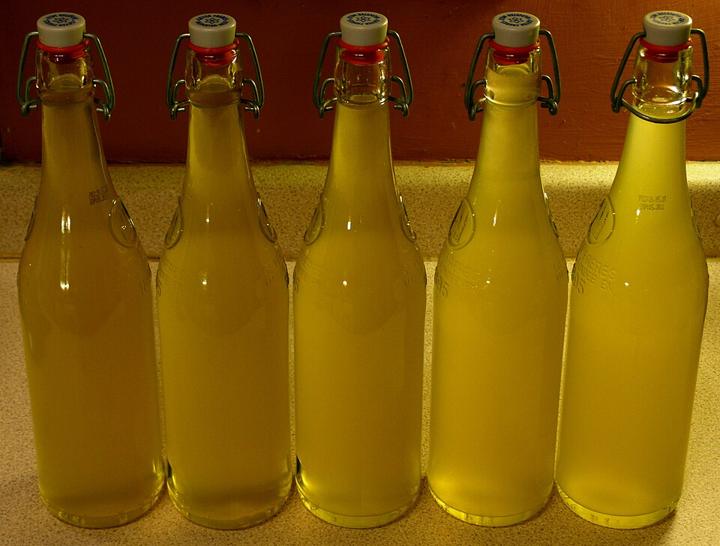 Jim Champion from Southampton, UK · CC BY-SA 2.0EuropeElderflower cordialThe scent of June in a bottle: a syrup of elderflower and lemon.Hot daysElderberry · LemonAbout 1.5 litres of cordial · 30 minutes, plus 1–2 days steeping
Registry
CautionNorth America · Herb · № 294
Chamaelirium luteum
Traditionally attributed effects: diuretic, uterine tonic, emetic.
 Caution
Europe · Herb · № 334
Teucrium scorodonia
Traditionally attributed effects: astringent, induces sweating, antirheumatic, carminative, wound-healing, promotes bile.
 Caution
Europe · Herb · № 72
Foeniculum vulgare
The seed is traditionally used for wind, bloating and cramps. There are some small studies, but evidence is limited.
 Caution
Europe · Herb · № 179
Digitalis purpurea
Contains cardiac glycosides that slow the heart rate and strengthen its contractions. They gave rise to the drugs digoxin and digitoxin, still prescribed for certain heart rhythm disorders and heart failure. The margin between an effective and a toxic amount is very small.
 Caution
North America · Herb · № 581
Veronicastrum virginicum
Traditionally attributed effects: laxative, stimulating, supports the liver, promotes bile; decongests liver and gallbladder, for gallbladder pain and jaundice.
 Caution
North America · Herb · № 285
Lycopus virginicus
Traditionally attributed effects: calming, astringent, tonic, vasoconstricting, cough-suppressing, stops bleeding.
 Caution
Europe · Food · № 83
Linum usitatissimum
Ground flaxseed acts as a gentle bulk-forming fibre for constipation. NCCIH reports it may lower cholesterol slightly; evidence for other claims is unclear.
CautionEurope · Food · № 21
Sambucus nigra
Berries have a folk-use history for cold and flu symptoms; clinical evidence remains preliminary.
 Caution
Europe · Herb · № 94
Stellaria media
Traditionally used externally as a cooling ointment or compress for itching, eczema and minor skin irritation. There is hardly any clinical research.
 Caution
Europe · Herb · № 58
Alchemilla xanthochlora
An astringent herb used in folk medicine mainly for heavy periods and diarrhoea. There is little clinical research.
 Caution
North America · Herb · № 586
Cypripedium parviflorum (syn. C. pubescens)
Traditionally attributed effects: strengthens the nerves, antispasmodic, tonic, relaxing, diuretic; for menstrual pain and irregular menstruation, overstimulated nerves and insomnia from stress, pain-relieving.
 Caution
Europe · Food · № 80
Juglans regia
The nuts are a nutritious source of unsaturated fats. Leaf and green husk are astringent and were traditionally used for skin conditions and diarrhoea; clinical evidence is lacking.
 Caution
North America · Herb · № 329
Aletris farinosa
Traditionally attributed effects: oestrogenic, tonic, stimulates digestion, calming.
 Caution
North America · Herb · № 169
Morella cerifera
The root bark was traditionally used for colds, sore throats and diarrhoea. There is no modern clinical evidence.
 Caution
Europe · Herb · № 106
Menyanthes trifoliata
A strong bitter traditionally used to stimulate appetite and digestion and for rheumatic complaints. Clinical evidence is lacking.
 Caution
Oceania · Food · № 173
Acacia spp. (o.a. A. holosericea, A. decurrens)
Roasted wattleseed is a protein- and fibre-rich bushfood. The bark of some species is rich in tannins and was used for wounds and diarrhoea. There is little clinical research.
 Caution
Europe · Herb · № 86
Plantago major
The leaf is traditionally bruised and applied to insect bites, small wounds and grazes, and taken as tea for coughs. Clinical evidence is limited.
 Caution
North America · Herb · № 587
Larix occidentalis
Traditionally attributed effects: stimulating, prebiotic; improves digestion and gut flora, strengthens the immune system, studied in tumours, helps with middle ear infections in children.
 Caution
North America · Herb · № 190
Thuja occidentalis
Traditionally attributed effects: expels worms, astringent, antimicrobial, anti-inflammatory, stimulates muscles, antiseptic.
 Caution
North America · Herb · № 332
Baptisia tinctoria
Traditionally attributed effects: antiseptic, antibacterial, fever-reducing, laxative.
 Caution
North America · Herb · № 156
Prunus serotina
The dried bark was long used in cough syrups to calm irritating coughs. Modern clinical evidence is lacking.
 Caution
North America · Herb · № 159
Dioscorea villosa
Traditionally used for abdominal and uterine cramps. Wild yam cream is sold as 'natural progesterone', but the body cannot convert diosgenin into hormones; only a laboratory can.
 Caution
North America · Herb · № 634
Gaultheria procumbens
Traditionally attributed effects: expels wind and dampness and cools heat in hot, swollen joints and muscle pain, drains damp heat in the urinary tract and moves stagnant qi and blood in pain.
 Caution
Europe · Herb · № 331
Lamium album
Traditionally attributed effects: astringent, antispasmodic, tonic for the reproductive organs.
 Caution
North America · Herb · № 598
Quercus alba
Traditionally attributed effects: strongly astringent; strengthens lax tissue (diarrhoea, inflamed gums, chronic nasal congestion, weak bladder), stops bleeding (nosebleeds, internal bleeding).
 Caution
Europe · Herb · № 330
Bryonia alba
Traditionally attributed effects: antirheumatic, laxative.
 Caution
Asia · Herb · № 128
Morus alba en M. nigra
The leaf (sang ye) is being studied for post-meal blood sugar and is used in Chinese medicine for coughs and fevers; bark, twigs and berries each have their own use too. Evidence is preliminary.
 Caution
Europe · Herb · № 301
Aesculus hippocastanum
Traditionally attributed effects: anti-inflammatory, astringent.
 Caution
Central America and the Caribbean · Herb · № 632
Anemopsis californica
Traditionally attributed effects: expels wind and dampness in joint pain that worsens in cold, wet weather, opens blocked sinuses and dries dampness in slow-healing wounds and swellings.
 Caution
South America · Herb · № 324
Quillaja saponaria
Traditionally attributed effects: expectorant, cleansing, anti-inflammatory.
 Caution
North America · Herb · № 150
Actaea racemosa
Mainly sold for menopausal symptoms such as hot flushes. NCCIH reports that study results are mixed and there is not enough evidence that it helps.
 Caution
North America · Mineral · № 365
An essential mineral. Zinc lozenges may make a cold slightly shorter if taken at the very first symptoms; for herpes, ADHD or other conditions the evidence is weak or absent.
 Caution
Asia · Herb · № 18
Glycyrrhiza glabra
A root with long use in several traditions; high-quality evidence does not support most health claims.
 Caution
Europe · Herb · № 187
Quercus robur
The bark contains a lot of tannins and is astringent. It is used as a decoction for diarrhoea, as a mouthwash for inflamed gums and as a sitz bath for haemorrhoids.
 Caution
Europe · Herb · № 108
Berberis vulgaris
Bark and root contain berberine, which is being studied for blood sugar and cholesterol. The berries are rich in vitamin C. Evidence for barberry itself is limited.
 Caution
Asia · Herb · № 135
Piper nigrum
Important warming spices in Ayurveda, used for sluggish digestion and colds. Piperine from pepper increases the absorption of some substances, such as curcumin.