Skip to content
Herbs & Cultures

Tradition in Asia

Unani medicine

Roots in Greco-Roman antiquity; developed in the Islamic world from the 9th century

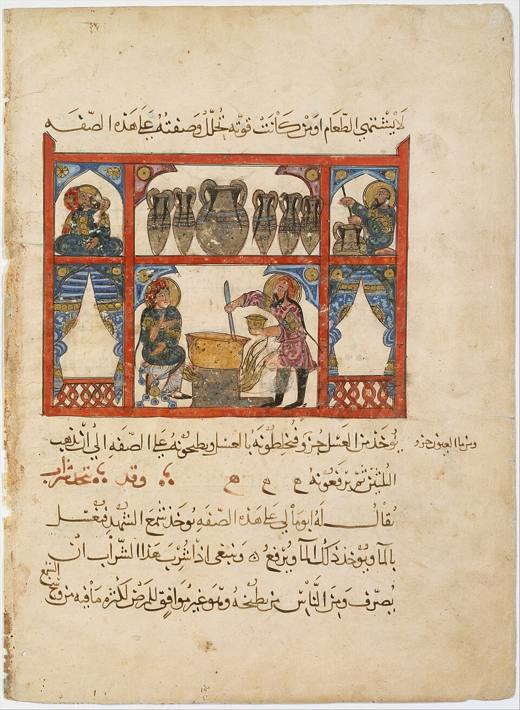
Preparing medicine from honey, from an Arabic translation of Dioscorides (1224).
Preparing medicine from honey, from an Arabic translation of Dioscorides (1224). The Metropolitan Museum of Art · CC0

History

Unani comes from the Arabic and Persian word Yunani, “Greek”. The tradition builds on the Greek medicine of Hippocrates and Galen, which was translated, preserved and greatly expanded in the Islamic world.

From the ninth century scholars in Baghdad translated Greek medical works into Arabic. Persian and Arab physicians such as al-Razi (865–925) and Ibn Sina (980–1037) built a rich system on them. Ibn Sina’s Canon of Medicine was studied for centuries in the Islamic world and in Europe.

From the thirteenth century Unani came to South Asia with the Delhi Sultanate and later the Mughal emperors, where it flourished. After British rule, physicians such as Hakim Ajmal Khan (1868–1927) worked to preserve the tradition. He founded the Tibbia College in Delhi in 1916.

Key ideas

Unani starts from four bodily humours: blood (dam), phlegm (balgham), yellow bile (safra) and black bile (sauda). Their proportion determines a person’s temperament, mizaj, which is hot, cold, dry or moist.

Health is the balance of the humours, and illness is a disturbance of it. The body has its own healing power, tabiyat, which the physician must support.

Six “essential factors” determine health: air, food and drink, movement and rest, sleep and wakefulness, intake and excretion, and emotions. A good way of life is therefore the basis of treatment.

Knowledge and its transmission

A Unani physician is called a hakim. For centuries knowledge passed from master to pupil, often within families of hakims.

A Unani physician treats in four ways: with lifestyle and regimen (ilaj bil tadbeer), such as cupping, bloodletting with leeches, massage and baths; with diet (ilaj bil ghiza); with remedies (ilaj bil dawa); and in exceptional cases with surgery.

Today universities in India train students for the Bachelor of Unani Medicine and Surgery (BUMS). In India Unani falls under the Ministry of AYUSH.

Texts and figures

Ibn Sina’s Canon of Medicine, completed around 1025, is the most important work. It has five books, on principles, remedies, diseases by part of the body, general diseases and compound remedies.

Al-Razi wrote, among other works, the Kitab al-Hawi, a large collection of clinical observations, and a famous treatise on smallpox and measles.

In South Asia hakims wrote their own works in Persian and Urdu.

Today

Unani is practised mainly in India, Pakistan and Bangladesh, with its own hospitals, clinics and pharmacies. In India it is a recognised system of care alongside conventional medicine.

A well-known company is Hamdard, founded in Delhi in 1906 by Hakim Hafiz Abdul Majeed. Among other things it makes the rose syrup Rooh Afza, which is widely drunk in South Asia, especially during Ramadan.

Cupping, hijama, is also experiencing a revival outside South Asia, including among Muslims in Europe.

Nature in the tradition

The Unani pharmacy is rich in plants from the Middle East and South Asia. Black seed (kalonji) is highly valued. Saffron, rose, senna and liquorice are important remedies.

Cinnamon, pomegranate and fenugreek are also widely used. Remedies are often prepared as a syrup (sharbat), a jam (majoon) or a decoction.

According to the teaching every remedy has its own temperament, hot or cold, dry or moist, and is chosen to bring the patient’s temperament into balance.

Approaching it with respect

Unani is a learned tradition that Muslims, Hindus and others in South Asia shaped together. It shows how knowledge travels between cultures.

Some Unani remedies contain metals or minerals. Cupping with incisions (wet cupping) must be done hygienically. Consult a doctor.

From the kitchen

Recipes from this tradition

Registry

Herbs in this tradition

  • Caution

    Asia · Herb · № 461

    Indian bay leaf

    Cinnamomum tamala

    Traditionally attributed effects: carminative, stimulating, diuretic and sudorific, decongestant, promotes milk flow; for lack of appetite, bladder complaints, dry mouth, colds, diarrhoea, nausea, indigestion, flatulence, vomiting.

    Ayurveda+2
  • Caution

    Asia · Herb · № 537

    Indian dill

    Peucedanum graveolens

    Traditionally attributed effects: carminative, antispasmodic; for flatulence, hiccups, colic and stomach ache, reduces cramps from laxatives and dysentery; drink for women after childbirth; leaves on boils and abscesses.

    Ayurveda+1
  • Caution

    Asia · Herb · № 451

    Indian hemp

    Cannabis indica

    Traditionally attributed effects: intoxicating, stomachic, antispasmodic, pain-relieving, stimulating, aphrodisiac, calming; sleep-inducing, for painful menstruation, itchy skin diseases, headache, mania, whooping cough, asthma, nervous vomiting.

    Ayurveda+1
  • Caution

    Asia · Herb · № 532

    Turpeth

    Operculina turpethum

    Traditionally attributed effects: laxative, anti-inflammatory; mild fluid-expelling laxative for chronic constipation, ascites, enlarged spleen; for rheumatism, paralysis, oedema, melancholy, gout, leprosy.

    Ayurveda+1
  • Caution

    Asia · Food · № 571

    Indian jujube

    Zizyphus martiana

    Traditionally attributed effects: astringent, stomachic; leaves for gonorrhoea, conjunctivitis, boils and abscesses, painful urination; bark for diarrhoea, dysentery, colic and gum inflammation.

    Ayurveda+1
  • Caution

    Asia · Herb · № 567

    Indian valerian

    Valeriana jatamansi

    Traditionally attributed effects: stomachic, stimulating, carminative, calming; for nervous weakness, insomnia, chorea, stomach cramps, hysteria, epilepsy, shell shock and neurosis.

    Ayurveda+1
  • Caution

    Asia · Herb · № 444

    Indian frankincense

    Boswellia serrata

    Traditionally attributed effects: cooling, diuretic, aromatic, soothing, mildly laxative, cleansing, promotes menstruation; for chronic lung diseases, diarrhoea, dysentery, menstrual complaints, gonorrhoea, haemorrhoids, liver disorders.

    Ayurveda+1
  • Caution

    Asia · Herb · № 566

    Indian squill

    Urginea indica

    Traditionally attributed effects: in small doses expectorant, stimulates the heart, diuretic, decongestant, promotes menstruation; in large doses emetic and laxative.

    Ayurveda+1
  • Caution

    Asia · Herb · № 454

    Golden shower

    Cassia fistula

    Traditionally attributed effects: laxative, tonic, fever-reducing; fruit pulp mildly laxative (safe for children and pregnant women); leaf for ringworm, chilblains, rheumatism, facial paralysis; root for fever and heart disease.

    Ayurveda+1
  • Caution

    Asia · Herb · № 491

    Java plum

    Eugenia jambolana

    Traditionally attributed effects: astringent, stomachic, diuretic, lowers blood sugar; seeds for diabetes, bark for chronic diarrhoea, dysentery, heavy menstruation, spongy gums, stomatitis; diarrhoea in children.

    Ayurveda+2
  • Caution

    Asia · Herb · № 130

    Spikenard (jatamansi)

    Nardostachys jatamansi

    Used in Ayurveda as a calming remedy for insomnia and restlessness. There is mostly animal research; clinical evidence is lacking.

    Ayurveda+4
  • Caution

    Asia · Herb · № 402

    Sweet flag

    Acorus calamus

    Traditionally attributed effects: carminative, tonic, stimulating; restores throat and voice (singers), improves concentration/clear thinking, for flatulence and heartburn.

    Ayurveda+4
  • Caution

    Asia · Herb · № 407

    Camel thorn

    Alhagi pseudalhagi

    Traditionally attributed effects: laxative, diuretic, expectorant; for urinary retention, corneal clouding; manna tonic, promotes bile, purifies the blood.

    Ayurveda+1
  • Caution

    Asia · Food · № 38

    Cinnamon

    Cinnamomum verum

    A spice made from inner bark. Research on health effects is preliminary; cinnamon is not a treatment.

    Ayurveda+8Folklore
  • Caution

    Asia · Food · № 361

    Chickpea

    Cicer arietinum

    Traditionally attributed effects: binder and cleanser in face masks and scrubs.

    Ayurveda+1
  • Caution

    Asia · Herb · № 832

    Lesser galangal

    Alpinia officinarum

    An aromatic rhizome traditionally used for digestive complaints.

    Chinese medical traditions+3
  • Caution

    Europe · Herb · № 565

    Puncture vine

    Tribulus terrestris

    Traditionally attributed effects: cooling, soothing, diuretic, tonic, aphrodisiac.

    Ayurveda+2
  • Caution

    Africa · Herb · № 337

    Nut grass

    Cyperus rotundus

    Traditionally attributed effects: carminative, pain-relieving, antispasmodic for the uterus, promotes the flow of qi.

    Ancient Egyptian medicine+4
  • Caution

    Africa · Herb · № 464

    Colocynth

    Citrullus colocynthis

    Traditionally attributed effects: drastically laxative and diuretic; in large doses emetic and highly irritant; for ascites, jaundice, urinary diseases, rheumatism, bile complaints, intestinal parasites, constipation, oedema; seed oil for snake and scorpion bites.

    Ayurveda+3
  • Caution

    Asia · Herb · № 232

    Cumin

    Cuminum cyminum

    Traditionally attributed effects: carminative, aromatic, stomachic, stimulating, astringent, cooling; for gonorrhoea, chronic diarrhoea, indigestion, hoarseness; oil as a source of thymol against hookworms.

    Ayurveda+3Folklore
  • Caution

    Asia · Food · № 261

    Cucumber

    Cucumis sativus

    Traditionally attributed effects: fruit nourishing and soothing; seeds cooling, diuretic, tonic; for throat complaints, strongly diuretic with sugar, in fever.

    Ayurveda+2Folklore
  • Caution

    Europe · Herb · № 231

    Coriander

    Coriandrum sativum

    Traditionally attributed effects: aromatic, stimulating, carminative, stomachic, cooling, tonic, diuretic; for flatulence, colic, rheumatism, nerve pain, sore throat, indigestion, vomiting, colds, bile complaints.

    Greco-Roman medicine+5Folklore
  • Caution

    Africa · Herb · № 510

    Kurchi

    Holarrhena antidysenterica

    Traditionally attributed effects: bitter, stomachic, astringent, strongly antidysenteric, fever-reducing, expels worms; for acute and chronic (amoebic) dysentery and diarrhoea, bile complaints, fever, haemorrhoids, roundworms and threadworms.

    Ayurveda+1
  • Caution

    Europe · Herb · № 211

    Sweet violet

    Viola odorata

    Traditionally attributed effects: V. odorata anti-inflammatory, expectorant, diuretic, antitumour; V. tricolor expectorant, anti-inflammatory, diuretic, antirheumatic, laxative, strengthens capillaries.

    Western herbal medicine+3Folklore
  • Caution

    Asia · Herb · № 216

    Marjoram

    Origanum majorana

    A mildly aromatic culinary herb related to oregano. It was drunk as tea for bloating, colds and restlessness; studies in humans are scarce.

    Unani medicine+2Folklore
  • Caution

    Africa · Other · № 28

    Myrrh

    Commiphora myrrha

    A gum resin with a long history in medicine, ritual, perfume, and incense. Modern treatment claims are not established.

    Ancient Egyptian medicine+6Folklore
  • Caution

    Asia · Herb · № 341

    Brown mustard

    Brassica juncea

    Traditionally attributed effects: plant bitter, mildly laxative, tonic; oil stimulating and skin-irritant, antiseptic; for chest complaints in children, muscular rheumatism, stiff neck, inflammation and nerve pain, abdominal cramps, persistent vomiting.

    Ayurveda+2
  • Caution

    Asia · Herb · № 509

    Musk mallow

    Hibiscus abelmoschus

    Traditionally attributed effects: stimulating, carminative, cooling, diuretic, soothing, stomachic, antispasmodic, tonic; for nervous weakness, hysteria, indigestion, gonorrhoea, catarrh of the bladder and airways, itching.

    Ayurveda+1
  • Caution

    Asia · Herb · № 39

    Neem

    Azadirachta indica

    Used for centuries in traditional medicine in India, but there is insufficient clinical evidence of medical benefits.

    Ayurveda+3
  • Caution

    Asia · Herb · № 482

    Nirbisi

    Delphinium denudatum

    Traditionally attributed effects: stimulating, cleansing, stomachic, tonic, pain-relieving; for syphilis and rheumatism, recovery after fever, toothache, antidote for snake bites and aconite poisoning.

    Ayurveda+1
  • Caution

    Asia · Herb · № 129

    Nutmeg

    Myristica fragrans

    A spice used in small amounts in Ayurveda and Arabic medicine for diarrhoea, nausea and insomnia. There is no good clinical evidence.

    Ayurveda+6Folklore
  • Caution

    Europe · Herb · № 97

    Dandelion

    Taraxacum officinale

    The leaf is mildly diuretic; the bitter root was used for the liver and digestion. NCCIH notes there is little human research.

    Avicenna's Canon in European universities+6Folklore
  • Caution

    Asia · Food · № 689

    Purslane (ma chi xian)

    Portulaca oleracea

    Traditionally attributed effects: cools the blood in dysentery and painful urination; externally for ulcers and insect bites.

    Chinese medical traditions+2
  • Caution

    Asia · Herb · № 133

    Psyllium

    Plantago ovata

    The seed husks form a mucilaginous gel: an established bulk-forming fibre for constipation and mild diarrhoea that can also modestly lower LDL cholesterol.

    Ayurveda+3
  • Caution

    Asia · Herb · № 181

    Indian snakeroot

    Rauvolfia serpentina

    The root contains reserpine, which lowers blood pressure and has a sedative effect. In the 1950s reserpine was one of the first modern antihypertensives and antipsychotics, but it has largely been replaced by drugs with fewer side effects.

    Ayurveda+2
  • Caution

    Asia · Herb · № 449

    Crown flower

    Calotropis gigantea

    Traditionally attributed effects: root bark cleansing, tonic, antispasmodic, expectorant, emetic; for dysentery, bronchitis, leprosy, enlarged liver and spleen, oedema, worms; acts on the heart like digitalis.

    Ayurveda+1