Indian subcontinent
Ayurveda
South Asia; classical texts formed over centuries
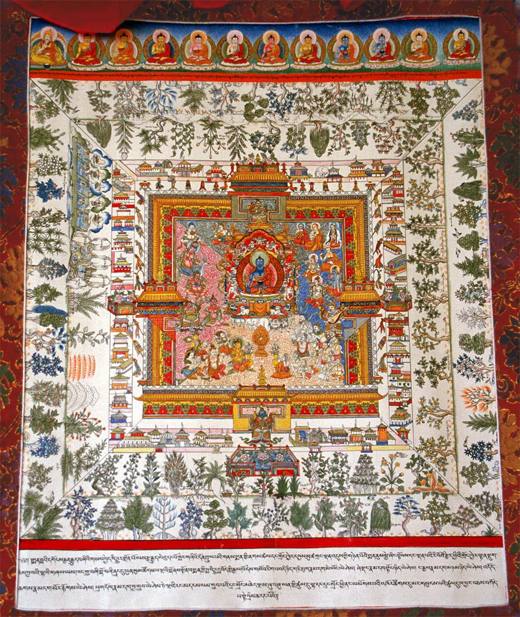
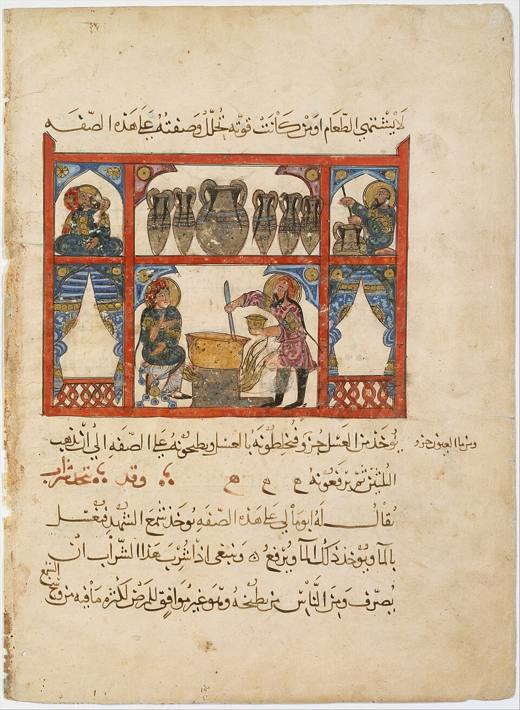
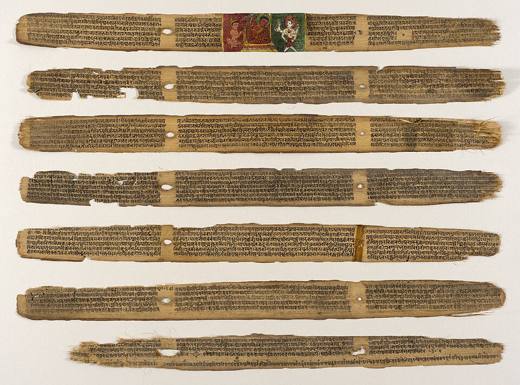
Ayurveda literally means “knowledge of life”: āyus is life, veda is knowledge. Its roots lie deep in the history of South Asia. The Vedic texts, especially the Atharvaveda, already mention medicinal plants and charms against disease, but a coherent medical system only takes shape later. That system took form in three classical works known together as the Bṛhat Trayī, “the great three”: the Charaka Samhita, on internal medicine, the Sushruta Samhita, on surgery, and Vagbhata’s Ashtanga Hridaya. The first two grew over centuries and reached their present form roughly between a few centuries before and a few centuries after the beginning of the Common Era. Around the seventh century Vagbhata summarised both. Traditional datings are often much earlier; historians keep to these more cautious estimates. Ayurveda never stood alone. It influenced Tibetan Sowa Rigpa and met Unani, the Greco-Arabic medicine that came to India with Muslim rulers. Under British colonial rule Western medicine became the official standard. From the late nineteenth century Indian reformers rebuilt Ayurveda, with their own colleges, pharmacies and standardised remedies. That is why today’s Ayurveda looks different in many ways from classical practice.