Skip to content
Herbs & Cultures

Ink, lotus and rice paper

Asia

435 remedies · 7 traditions

Asia is home to diverse healing traditions that developed over long periods. Ayurveda and Chinese medicine are influential, but do not represent all the continent’s knowledge and cultures.

Characteristic plants

History and today

Cultures and traditions

Dates refer to surviving sources or written records where possible. Much orally transmitted knowledge predates its first written record.

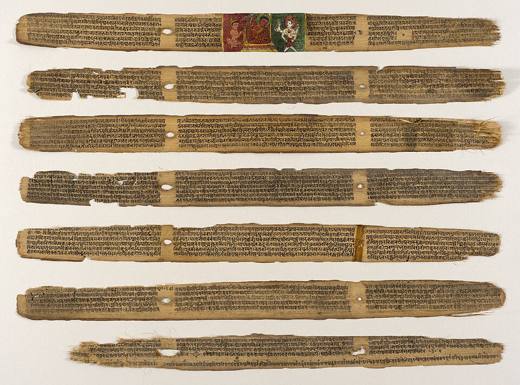
Palm leaves with the Sushruta Samhita, Nepal; text from the 12th–13th century.

Indian subcontinent

Ayurveda

South Asia; classical texts formed over centuries

Ayurveda literally means “knowledge of life”: āyus is life, veda is knowledge. Its roots lie deep in the history of South Asia. The Vedic texts, especially the Atharvaveda, already mention medicinal plants and charms against disease, but a coherent medical system only takes shape later. That system took form in three classical works known together as the Bṛhat Trayī, “the great three”: the Charaka Samhita, on internal medicine, the Sushruta Samhita, on surgery, and Vagbhata’s Ashtanga Hridaya. The first two grew over centuries and reached their present form roughly between a few centuries before and a few centuries after the beginning of the Common Era. Around the seventh century Vagbhata summarised both. Traditional datings are often much earlier; historians keep to these more cautious estimates. Ayurveda never stood alone. It influenced Tibetan Sowa Rigpa and met Unani, the Greco-Arabic medicine that came to India with Muslim rulers. Under British colonial rule Western medicine became the official standard. From the late nineteenth century Indian reformers rebuilt Ayurveda, with their own colleges, pharmacies and standardised remedies. That is why today’s Ayurveda looks different in many ways from classical practice.
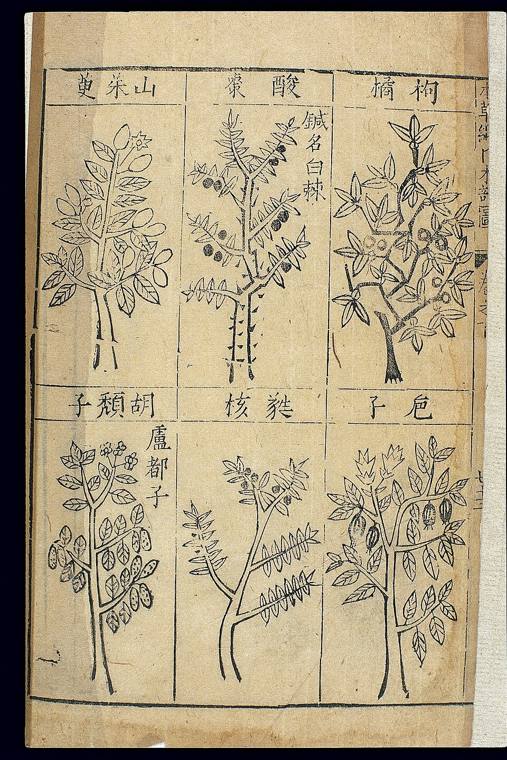
Plants from Li Shizhen's Bencao Gangmu, the great Chinese materia medica of the Ming period.

China

Chinese medical traditions

Classical writings from the early centuries BCE and CE

Chinese medicine is one of the oldest continuous healing traditions in the world. In a tomb at Mawangdui, sealed in 168 BCE, archaeologists found silk manuscripts with recipes against fifty-two ailments. They show how old the knowledge already was. The classical foundation lies in a few great works. The Huangdi Neijing, the “Inner Classic of the Yellow Emperor”, took shape in the last centuries BCE. The Shennong Bencao Jing, the herbal classic of the mythical farmer-emperor Shennong, describes 365 remedies. Around 200 CE Zhang Zhongjing wrote the Shanghan Lun, on febrile diseases, with formulas still in use today. Over the centuries the knowledge kept growing. In 1578 Li Shizhen completed the Bencao Gangmu, a huge encyclopaedia with almost two thousand remedies. In the twentieth century the tradition was reformed and standardised in China into what the West now calls “traditional Chinese medicine”.

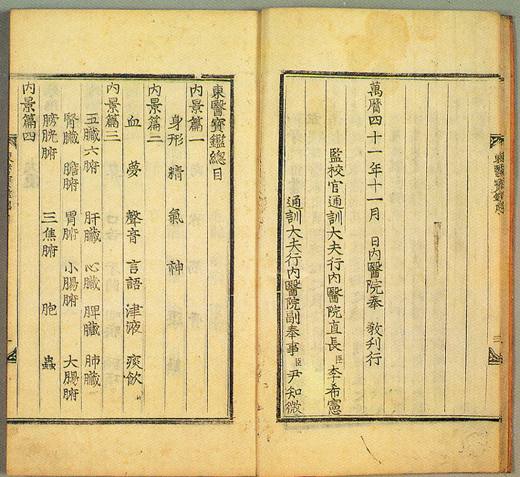
The table of contents of Heo Jun's Donguibogam (1613).

Korea

Korean hanbang and the Donguibogam

Medical compendium compiled in Korea in 1613

Korean medicine, hanbang or hanui, has roots in Chinese medicine, but over the centuries developed into a tradition of its own. As early as the Goryeo period Korea became known for its ginseng, which was exported to China and Japan. In the fifteenth century Korean physicians deliberately looked for their own, native remedies, the hyangyak. In 1433 the Hyangyak Jipseongbang appeared, a large work on remedies from Korea itself. The most important work is the Donguibogam, the “Precious Mirror of Eastern Medicine”. King Seonjo commissioned the court physician Heo Jun (1539–1615) in 1596. After the Japanese invasions and much hardship, Heo Jun completed the work in 1610, and in 1613 it was printed. UNESCO added it to the Memory of the World register in 2009.

Image of Benzoin

Java, Indonesia

Jamu in Indonesia

Roots in the Mataram era (8th–10th century); UNESCO heritage since 2023

Jamu is the traditional herbal medicine of Indonesia, especially of Java and Bali. Its roots go far back. Stone mortars from the site of Liyangan in Central Java, from the Mataram era of the eighth to tenth centuries, and reliefs on Borobudur already point to the preparation of herbs. At the courts of Java, in Surakarta and Yogyakarta, the knowledge was refined. Princesses and ladies of the court used jamu for beauty and health. In the nineteenth century much of that knowledge was written down. In the twentieth century a large jamu industry arose. Well-known brands such as Nyonya Meneer, founded in 1919, and Sido Muncul turned jamu into a mass product. In 2023 UNESCO recognised “jamu wellness culture” as intangible heritage.

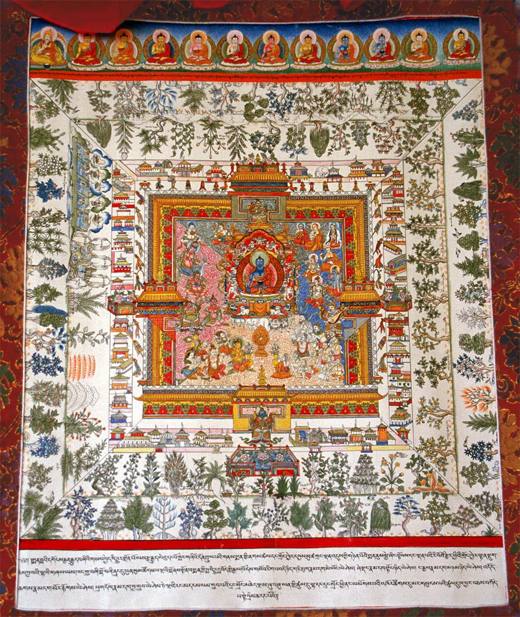
The first of Sangye Gyatso's medical paintings (1653–1705): the palace of the Medicine Buddha, surrounded by medicinal plants.

Tibetan Plateau and the Himalaya

Sowa Rigpa: Tibetan medicine

Developed from the 8th century; the Four Tantras revised in the 12th century

Sowa Rigpa, the “science of healing”, is the traditional medicine of Tibet, the Himalaya and Mongolia. It took shape in the eighth century, when King Trisong Detsen invited physicians from India, China, Persia and other lands to Tibet. According to tradition its founder is Yuthok Yonten Gonpo the Elder, an eighth-century physician. His descendant Yuthok the Younger revised the Gyushi, the “Four Tantras”, the principal work of Tibetan medicine, in the twelfth century. In 1696 the medical college of Chakpori was founded in Lhasa. In the seventeenth century the regent Desi Sangye Gyatso had a series of medical paintings made that explain the teaching in images. After 1959 Chakpori was destroyed. In 1961 the Men-Tsee-Khang was founded in exile in Dharamsala, and it continues the tradition.

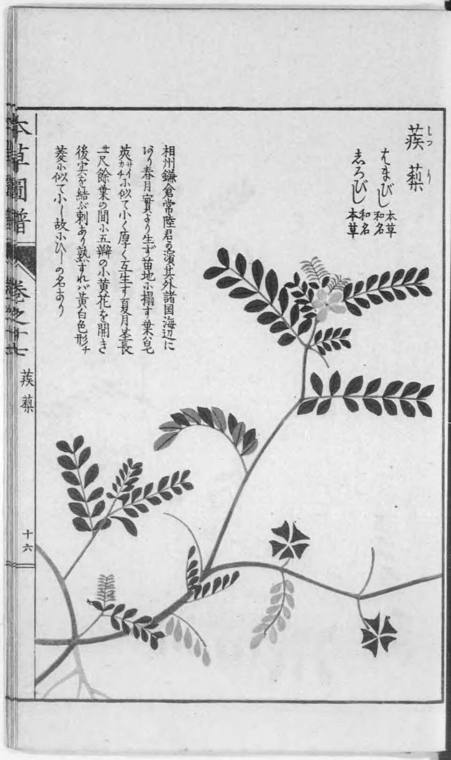
Puncturevine (Tribulus terrestris) from Iwasaki Tsunemasa's Honzō Zufu, a Japanese herbal of the Edo period.

Japan

Kampo: Japanese herbal medicine

From the 5th–7th centuries; its own form mainly in the Edo period (1603–1868)

Kampo means “method of the Han” and refers to its Chinese origin. Chinese medicine reached Japan from the fifth and sixth centuries, via Korea and directly from China, together with Buddhism and Chinese writing. The oldest surviving Japanese medical work is the Ishinpō, compiled in 984 by the court physician Tanba no Yasuyori. In the Edo period (1603–1868) Japanese physicians developed a practical form of their own. The school of “ancient formulas”, with physicians such as Yoshimasu Tōdō, went back to the Shanghan Lun and emphasised what the physician himself observes. In 1874 the Meiji government decreed that new physicians had to study Western medicine. As a result Kampo was pushed aside. A small group of physicians kept the knowledge alive, and in the twentieth century a revival followed.

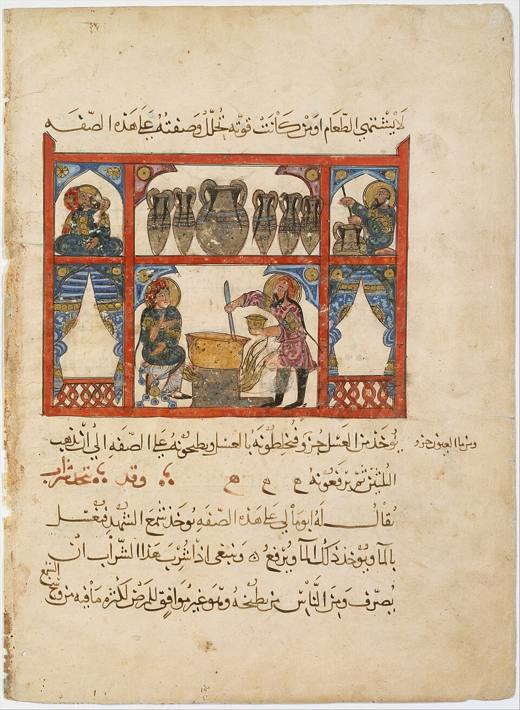
Preparing medicine from honey, from an Arabic translation of Dioscorides (1224).

From Persia to South Asia

Unani medicine

Roots in Greco-Roman antiquity; developed in the Islamic world from the 9th century

Unani comes from the Arabic and Persian word Yunani, “Greek”. The tradition builds on the Greek medicine of Hippocrates and Galen, which was translated, preserved and greatly expanded in the Islamic world. From the ninth century scholars in Baghdad translated Greek medical works into Arabic. Persian and Arab physicians such as al-Razi (865–925) and Ibn Sina (980–1037) built a rich system on them. Ibn Sina’s Canon of Medicine was studied for centuries in the Islamic world and in Europe. From the thirteenth century Unani came to South Asia with the Delhi Sultanate and later the Mughal emperors, where it flourished. After British rule, physicians such as Hakim Ajmal Khan (1868–1927) worked to preserve the tradition. He founded the Tibbia College in Delhi in 1916.

Herbs in this tradition (97)

From the kitchen

Recipes from Asia

All recipes (39) →

Registry

Herbs from Asia

Search herbs, spices and other natural ingredients by name, use, or tag. Traditional use is cultural and historical information, not medical advice.

435 results

  • Caution

    Food · № 238

    Lime

    Citrus aurantiifolia

    A sour citrus fruit rich in vitamin C. The juice was given against scurvy and is used in Asia with honey or salt for coughs and sore throat.

    Jamu in Indonesia+1Folklore
  • Caution

    Herb · № 732

    Lindera root (wu yao)

    Lindera aggregata (syn. L. strychnifolia)

    Traditionally attributed effects: warms and moves qi in pain from cold; warms the kidneys in frequent urination.

    Chinese medical traditions
  • Caution

    Mushroom · № 41

    Lingzhi (reishi)

    Ganoderma lucidum

    A bracket fungus used in traditional Chinese medicine; evidence for treatment effects in people is limited.

    Chinese medical traditions+3
  • Caution

    Food · № 359

    Red lentil

    Lens culinaris

    Traditionally attributed effects: easily digestible, beneficial in bleeding and fever; purifies the blood internally and externally; scrub improves circulation.

    Ayurveda
  • Caution

    Herb · № 734

    Cattail pollen (pu huang)

    Typha angustifolia (en T. orientalis)

    Traditionally attributed effects: stops bleeding and resolves blood stagnation in pain.

    Chinese medical traditions
  • Caution

    Herb · № 516

    Indian laurel

    Litsea glutinosa

    Traditionally attributed effects: soothing, astringent, softens the skin, aphrodisiac, antispasmodic; for diarrhoea and dysentery; externally for bruises, sprains, rheumatic and gouty joints, scorpion stings, fractures.

    Ayurveda
  • Caution

    Herb · № 559

    Lodh tree

    Symplocos racemosa

    Traditionally attributed effects: cooling, mildly astringent; for intestinal complaints, heavy menstruation, discharge from lax mucous membranes, oedema, liver complaints, fever, skin diseases, bleeding gums, eye diseases, ulcers, filariasis (chyluria, elephantiasis).

    Ayurveda
  • Caution

    Food · № 653

    Longan

    Dimocarpus longan

    Traditionally attributed effects: a sweet, warming tonic for heart and blood; good for digestion and calming.

    Chinese medical traditions
  • Caution

    Herb · № 671

    Lophatherum (dan zhu ye)

    Lophatherum gracile

    Traditionally attributed effects: cools heat in heart and stomach in restlessness, thirst and mouth ulcers, and in painful urination.

    Chinese medical traditions
  • Caution

    Food · № 131

    Sacred lotus

    Nelumbo nucifera

    Almost every part is used: seeds for diarrhoea and restlessness, rhizome as food, leaf for 'summer heat'. Scientific evidence is mostly laboratory research.

    Ayurveda+3Folklore
  • Caution

    Herb · № 485

    Air potato

    Dioscorea bulbifera

    Traditionally attributed effects: cleansing, pungent, appetite-suppressing; for syphilis, haemorrhoids, dysentery, ulcers.

    Ayurveda+1
  • Caution

    Herb · № 693

    Blackberry lily (she gan)

    Iris domestica (syn. Belamcanda chinensis)

    Traditionally attributed effects: cools heat and detoxifies in severe sore throat and cough with much hot phlegm.

    Chinese medical traditions
  • Caution

    Herb · № 544

    Emetic nut

    Randia dumetorum

    Traditionally attributed effects: fruit rind induces sweating and antispasmodic; bark calming and soothes the nerves; bark internally and externally for rheumatism, bruises and bone pain in fever, diarrhoea and dysentery; fruit emetic in acute bronchitis and asthma; scorpion stings.

    Ayurveda
  • Caution

    Mineral · № 795

    Magnetite (ci shi)

    Magnetitum (ijzeroxide)

    Traditionally attributed effects: calms the mind and rising liver yang and helps the kidneys hold the lung energy.

    Chinese medical traditions
  • Caution

    Herb · № 655

    Magnolia flower bud (xin yi hua)

    Magnolia biondii (syn. M. liliflora)

    Traditionally attributed effects: warms and opens the nose in blocked sinuses and headache from wind-cold.

    Chinese medical traditions+1
  • Caution

    Herb · № 727

    Magnolia bark (hou po)

    Magnolia officinalis

    Traditionally attributed effects: makes qi descend, dries dampness and resolves food stagnation and phlegm.

    Chinese medical traditions+2
  • Caution

    Herb · № 520

    Mahua

    Madhuca longifolia

    Traditionally attributed effects: flowers cooling, soothing, expectorant, tonic, nourishing; bark astringent and tonic; for diabetes and rheumatism, bleeding gums, tonsil and throat inflammation, itching, bronchitis, cough, haemorrhoids.

    Ayurveda
  • Caution

    Mushroom · № 589

    Maitake

    Grifola frondosa

    Traditionally attributed effects: adaptogen; activates immune cells against cancer (macrophages, NK cells, T cells), reduces stress and strengthens resistance to colds and flu.

    Chinese medical traditions+2
  • Caution

    Food · № 730

    Tangerine peel (chen pi)

    Citrus reticulata

    Traditionally attributed effects: the ripe peel (chen pi) moves the qi of spleen and lung and dissolves phlegm; the green peel (qing pi) moves liver qi.

    Chinese medical traditions+2
  • Caution

    Herb · № 348

    Gotu kola

    Centella asiatica

    Traditionally attributed effects: cleansing, tonic, diuretic, locally stimulating, calming; for chronic ulcers, eczema, psoriasis, leprosy, epilepsy, insanity, swollen glands, abscesses, chronic rheumatism, diarrhoea in children.

    Ayurveda+2
  • Caution

    Food · № 248

    Mango

    Mangifera indica

    Traditionally attributed effects: cooling herb, prevents a burning feeling and keeps you cool in the heat; aids digestion; good for skin and hair.

    Ayurveda+2Folklore
  • Caution

    Herb · № 476

    Mango ginger

    Curcuma amada

    Traditionally attributed effects: carminative, cooling, aromatic, bitter, stomachic, astringent, lowers cholesterol; externally for bruises, sprains and skin diseases; purifies the blood.

    Ayurveda+1
  • Caution

    Herb · № 216

    Marjoram

    Origanum majorana

    A mildly aromatic culinary herb related to oregano. It was drunk as tea for bloating, colds and restlessness; studies in humans are scarce.

    Unani medicine+2Folklore
  • Caution

    Herb · № 493

    Common milk hedge

    Euphorbia neriifolia

    Traditionally attributed effects: milky sap drastically laxative and expectorant, externally skin-irritant; root antispasmodic; for enlarged liver and spleen, oedema, leprosy; externally on warts, for earache, ulcers and scabies; root for scorpion and snake bites.

    Ayurveda
  • Caution

    Mineral · № 800

    Minium (qian dan)

    Minium (loodoxide)

    Traditionally attributed effects: was used externally to draw out pus and heal wounds; contains lead.

    Chinese medical traditions
  • Caution

    Herb · № 762

    Mulberry mistletoe (sang ji sheng)

    Taxillus chinensis (syn. Loranthus parasiticus)

    Traditionally attributed effects: strengthens liver and kidneys, expels wind and dampness, nourishes the blood and calms the foetus.

    Chinese medical traditions
  • Caution

    Food · № 763

    Monk fruit (luo han guo)

    Siraitia grosvenorii (syn. Momordica grosvenori)

    Traditionally attributed effects: moistens and cools the lungs in a dry cough and reduces swollen glands.

    Chinese medical traditions
  • Caution

    Herb · № 753

    Morinda root (ba ji tian)

    Morinda officinalis

    Traditionally attributed effects: strengthens kidney yang and expels wind, cold and dampness from back and legs.

    Chinese medical traditions
  • Caution

    Herb · № 527

    Moringa

    Moringa oleifera

    Traditionally attributed effects: antispasmodic, stimulating, expectorant, diuretic, dissolves stones; leaves for scurvy and catarrh, flatulence in children, wounds and swellings; bark stimulates the heart in asthma and cough.

    Ayurveda+2
  • Caution

    Herb · № 341

    Brown mustard

    Brassica juncea

    Traditionally attributed effects: plant bitter, mildly laxative, tonic; oil stimulating and skin-irritant, antiseptic; for chest complaints in children, muscular rheumatism, stiff neck, inflammation and nerve pain, abdominal cramps, persistent vomiting.

    Ayurveda+2
  • Caution

    Food · № 792

    Maltose (yi tang)

    Saccharum granorum (maltose)

    Traditionally attributed effects: strengthens qi and spleen, eases pain from cold in the middle and moistens the lungs.

    Chinese medical traditions+1
  • Caution

    Food · № 358

    Mung bean

    Vigna radiata

    Traditionally attributed effects: light and easily digestible, sattvic (calm in the head); for fever, ulcers and blood disorders; khichadi with takra for 7–10 days as a cleansing cure; soap substitute makes the skin soft.

    Ayurveda+1
  • Caution

    Herb · № 509

    Musk mallow

    Hibiscus abelmoschus

    Traditionally attributed effects: stimulating, carminative, cooling, diuretic, soothing, stomachic, antispasmodic, tonic; for nervous weakness, hysteria, indigestion, gonorrhoea, catarrh of the bladder and airways, itching.

    Ayurveda+1
  • Caution

    Herb · № 530

    Night jasmine

    Nyctanthes arbor-tristis

    Traditionally attributed effects: promotes bile, expels worms, laxative, fever-reducing, anti-inflammatory.

    Ayurveda
  • Caution

    Food · № 425

    Jackfruit

    Artocarpus integrifolia

    Traditionally attributed effects: ripe fruit soothing, nourishing, laxative; unripe fruit astringent; milky sap for swollen glands, abscesses and snake bites; root for diarrhoea; leaf and root for skin diseases.

    Ayurveda+1
  • Caution

    Herb · № 39

    Neem

    Azadirachta indica

    Used for centuries in traditional medicine in India, but there is insufficient clinical evidence of medical benefits.

    Ayurveda+3