Skip to content
Herbs & Cultures

From Ayurveda to Rongoā Māori

Herbal knowledge and the cultures that passed it on

Communities around the world learned how plants nourish, care and heal. Here their traditions stand beside present-day use, with respect for every culture.

All 980 herbs from 43 traditions

Search by concern or tag

66 results

Also found

  • Caution

    South America · Herb · № 889

    Bilyea

    Grimolobium pubescens (syn. Otholobium pubescens, Psoralea pubescens)

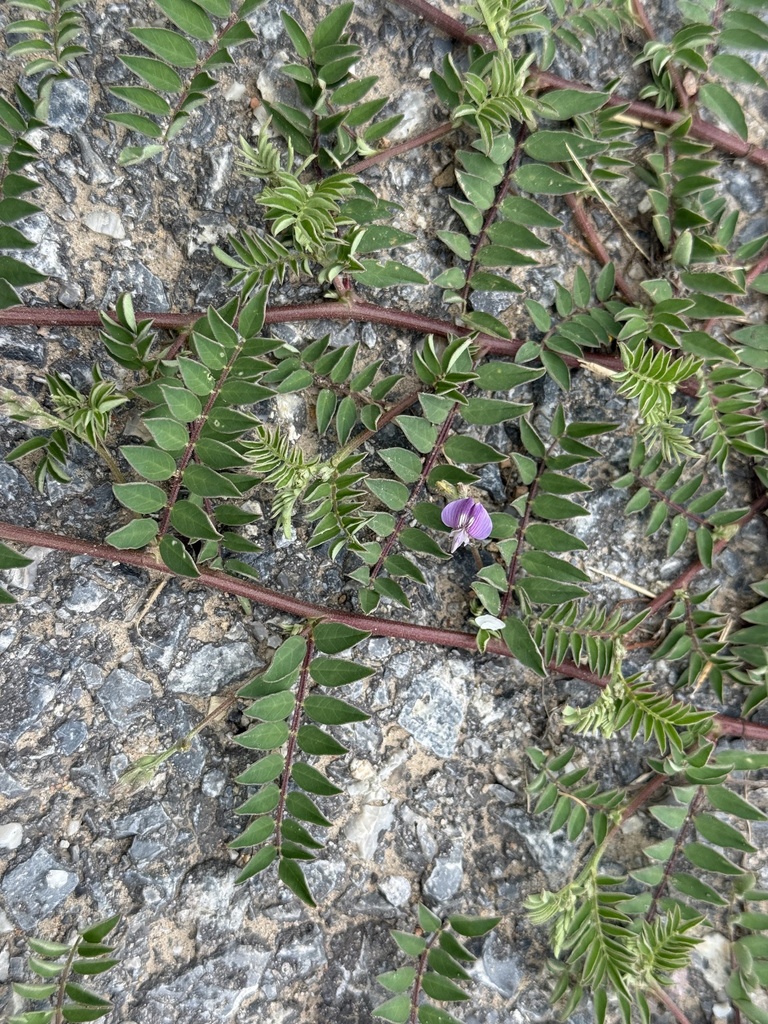
    A shrub of the pea family with leaves in threes. It contains bakuchiol, among other compounds; extracts lowered blood sugar in experiments with mice. Studies in people are lacking.

    Kallawaya healing knowledge
  • Caution

    North America · Herb · № 963

    Blue lettuce

    Lactuca tatarica subsp. pulchella (syn. L. pulchella)

    A wild lettuce with blue flower heads and milky sap that forms large colonies by runners. Effects not studied.

    Lakota medicine
  • Caution

    North America · Herb · № 1000

    Galax

    Galax urceolata

    A low evergreen herb of the Diapensia family with glossy, round, toothed leaves that turn bronze to wine red in winter, and in spring a slender spike of tiny white flowers. Plants in flower smell sharp, almost like a skunk. Its effect has not been studied.

    Cherokee medicine
  • Caution

    South America · Herb · № 1010

    Huamanpinta

    Chuquiraga spinosa (en C. rotundifolia)

    A prickly shrub with hard, pointed little leaves and orange-yellow flower heads. Contains phenolic acids, flavonoids, saponins and alkaloids; animal studies point to an anti-inflammatory and antioxidant effect.

    Kallawaya healing knowledge
  • Caution

    North America · Herb · № 940

    Joe-Pye weed

    Eutrochium purpureum en E. maculatum (syn. Eupatorium)

    Tall, purple-pink flowering plants of the daisy family, related to European hemp agrimony. They may contain pyrrolizidine alkaloids, which damage the liver with long use.

    Haudenosaunee medicine+1
  • Caution

    South America · Herb · № 883

    Manayupa

    Desmodium molliculum

    A low plant of the pea family. Traditionally used for inflammation and wounds; research is limited.

    Curanderismo of northern Peru
  • Caution

    South America · Herb · № 912

    Pasuchaca

    Geranium ayavacense en Geranium sessiliflorum

    Low, rosette-forming cranesbills with a thick root. They contain tannins. Whether the tea lowers blood sugar has not been properly studied in people.

    Curanderismo of northern Peru
  • Caution

    North America · Herb · № 946

    Pipsissewa

    Chimaphila umbellata

    A low, evergreen dwarf shrub with leathery leaves and pink nodding flowers. Contains arbutin and related compounds, like bearberry.

    Haudenosaunee medicine
  • Caution

    South America · Herb · № 888

    Giant horsetail

    Equisetum giganteum

    A large horsetail, rich in silica. Traditionally used as a diuretic, like European field horsetail; good evidence is lacking.

    Kallawaya healing knowledge+1
  • Caution

    North America · Herb · № 947

    Trailing arbutus

    Epigaea repens

    A creeping, evergreen dwarf shrub of the heath family with fragrant pink to white flowers in early spring. Contains arbutin.

    Haudenosaunee medicine+1
  • Caution

    Asia · Herb · № 303

    Achyranthes root (huai niu xi)

    Achyranthes bidentata

    Traditionally attributed effects: promotes circulation, liver tonic, pain-relieving.

    Chinese medical traditions+2
  • Caution

    Asia · Herb · № 418

    Agarwood

    Aquilaria agallocha

    Traditionally attributed effects: stimulating, strengthens the heart, tonic, carminative, promotes bile; for skin diseases, gout and rheumatism, vomiting, snake bites, pain from wounds, bronchitis in children, headache, dizziness.

    Ayurveda+3
  • Caution

    Asia · Herb · № 754

    Sharp-leaf galangal fruit (yi zhi ren)

    Alpinia oxyphylla

    Traditionally attributed effects: strengthens kidney yang and holds in urine and semen; warms the spleen in diarrhoea and drooling.

    Chinese medical traditions
  • Caution

    North America · Herb · № 628

    North American wild ginger

    Asarum caudatum, A. canadense en verwante soorten

    Traditionally attributed effects: expels wind-cold, opens a blocked nose, warms the lung in cough with clear phlegm and expels cold and dampness in menstrual pain and other pain.

    Haudenosaunee medicine+4
  • Caution

    Asia · Herb · № 757

    Flattened milkvetch seed (sha yuan zi)

    Astragalus complanatus

    Traditionally attributed effects: strengthens kidney yang, holds in the essence and strengthens the eyesight.

    Chinese medical traditions
  • Caution

    Asia · Herb · № 542

    Babchi

    Psoralea corylifolia

    Traditionally attributed effects: laxative, expels worms, diuretic, induces sweating, antibacterial; for leprosy and leucoderma (vitiligo) internally and externally, bile complaints.

    Ayurveda+1
  • Caution

    Asia · Mineral · № 781

    Borax (peng sha)

    Borax (natriumtetraboraat)

    Traditionally attributed effects: externally for small ulcers in mouth, throat and vagina and for athlete's foot.

    Chinese medical traditions
  • Caution

    North America · Herb · № 306

    Smooth hydrangea

    Hydrangea arborescens

    Traditionally attributed effects: diuretic, laxative, stimulates the kidneys.

    Indigenous healing traditions of North America+3
  • Caution

    Asia · Mineral · № 798

    Calomel (qing fen)

    Calomelas (kwikchloride)

    Traditionally attributed effects: was used externally against scabies and sores; contains mercury.

    Chinese medical traditions
  • Caution

    South America · Herb · № 919

    Chanca piedra (stonebreaker)

    Phyllanthus niruri (en P. stipulatus, P. urinaria)

    A small herb with rows of fine leaflets and tiny fruits beneath them. In experiments it inhibited the formation of kidney stone crystals and acted as a diuretic; small studies in people do not yet give clear evidence.

    Curanderismo of northern Peru
  • Caution

    Asia · Herb · № 642

    Chinese asparagus root (tian men dong)

    Asparagus cochinchinensis

    Traditionally attributed effects: moistening; for recovery after illness or surgery, chronically dry skin and for the production of sex hormones.

    Chinese medical traditions
  • Caution

    Asia · Herb · № 643

    Chinese raspberry (fu pen zi)

    Rubus chingii

    Traditionally attributed effects: strengthens kidneys and liver; for poor vision, frequent urination and impotence.

    Chinese medical traditions+1
  • Caution

    Asia · Herb · № 304

    Chinese goldthread (huang lian)

    Coptis chinensis

    Traditionally attributed effects: promotes bile, antibacterial, pain-relieving, calming, anti-inflammatory.

    Chinese medical traditions+3
  • Caution

    Asia · Herb · № 663

    Chinese wild ginger (xi xin)

    Asarum sieboldii (en A. heterotropoides)

    Traditionally attributed effects: warms in wind-cold, relieves pain from cold and loosens cold phlegm in the lungs.

    Chinese medical traditions+1
  • Caution

    Asia · Food · № 802

    Chinese chestnut

    Castanea mollissima

    Traditionally attributed effects: dried, peeled chestnuts give sweet soups such as the eight-treasure soup their sweetness; in Chinese food therapy they strengthen spleen and kidneys.

    Chinese medical traditions
  • Caution

    Asia · Food · № 635

    Chinese yam (shan yao)

    Dioscorea polystachya (syn. D. opposita)

    Traditionally attributed effects: strengthens spleen, stomach and lungs, helps regulate the hormone system in women and is said to lower blood sugar.

    Chinese medical traditions+2
  • Caution

    Asia · Mineral · № 797

    Cinnabar (zhu sha)

    Cinnabaris (kwiksulfide)

    Traditionally attributed effects: was used to calm the mind and stop convulsions; contains mercury.

    Chinese medical traditions
  • Caution

    Asia · Mushroom · № 147

    Caterpillar fungus (cordyceps)

    Ophiocordyceps sinensis (syn. Cordyceps sinensis)

    A fungus that parasitises caterpillars. Used in Tibetan and Chinese medicine for fatigue, lung complaints and low libido. Studies are small and there is no convincing evidence.

    Chinese medical traditions+2
  • Caution

    North America · Herb · № 579

    Chaparral

    Larrea divaricata

    Traditionally attributed effects: astringent, stimulating, cleansing, diuretic; detoxifies the liver and body, anti-inflammatory, for arthritis, strengthens bladder and kidneys, externally for haemorrhoids, boils, bedsores and bruises.

    Western herbal medicine
  • Caution

    Central America and the Caribbean · Herb · № 460

    Mexican tea

    Dysphania ambrosioides (syn. Chenopodium ambrosioides)

    A strong-smelling culinary herb traditionally used against intestinal worms and wind. The essential oil contains ascaridole, which kills worms but is also toxic to humans.

    Curanderismo+3
  • Caution

    Asia · Herb · № 751

    Eucommia bark (du zhong)

    Eucommia ulmoides

    Traditionally attributed effects: strengthens liver and kidneys, tendons and bones; calms rising liver yang and a restless foetus.

    Chinese medical traditions+1
  • Caution

    Africa · Herb · № 118

    Fenugreek

    Trigonella foenum-graecum

    The seed has been studied for blood sugar and for increasing breast milk. NCCIH reports there is not enough strong evidence for these uses.

    Ancient Egyptian medicine+5Folklore
  • Caution

    Asia · Herb · № 315

    Glossy privet (nu zhen zi)

    Ligustrum lucidum

    Traditionally attributed effects: tonic, diuretic, stimulates the immune system.

    Chinese medical traditions+1
  • Caution

    North America · Herb · № 170

    Gumweed

    Grindelia camporum

    The sticky herb was traditionally used for coughs, asthma and bronchitis, and externally for poison-ivy rashes. Clinical evidence is lacking.

    Indigenous healing traditions of North America+2
  • Caution

    Europe · Herb · № 591

    Purple loosestrife

    Lythrum salicaria

    Traditionally attributed effects: cleansing, antibiotic, antispasmodic, diuretic, induces sweating, tonic, soothing; for dysentery and bacterial diarrhoea, inflammatory bowel disease (Crohn's), strengthens kidneys and bladder, for the eyes.

    Western herbal medicine
  • Caution

    Asia · Herb · № 322

    Asiatic dogwood fruit (shan zhu yu)

    Cornus officinalis

    Traditionally attributed effects: tonic, diuretic, lowers blood pressure, antimicrobial.

    Chinese medical traditions+3
Image of Salvia divinorum

Featured · Central America and the Caribbean · Curanderismo

Salvia divinorum

A sage with large leaves containing salvinorin A, a very potent substance acting on the kappa opioid receptor. Brings short-lived, often intense changes in perception and the feeling of leaving the body.

Read more

From plant to use

Ways to prepare herbs

All preparations →

Discover more

Traditions, kitchen and classical formulas