 Caution
Europe · Herb · № 277
Bistort
Bistorta officinalis (syn. Polygonum bistorta)
Traditionally attributed effects: astringent, stops diarrhoea and bleeding, anticatarrhal.
Western herbal medicine
From Ayurveda to Rongoā Māori
Communities around the world learned how plants nourish, care and heal. Here their traditions stand beside present-day use, with respect for every culture.
 GrapeFolk magic and herbal magic
 BuchuLocal African healing traditions
 Indian tobaccoCherokee medicine
 Lignum vitaeHerbal knowledge of the Caribbean
 Yerba mateKallawaya healing knowledgeCaution
Europe · Herb · № 277
Bistorta officinalis (syn. Polygonum bistorta)
Traditionally attributed effects: astringent, stops diarrhoea and bleeding, anticatarrhal.
 Caution
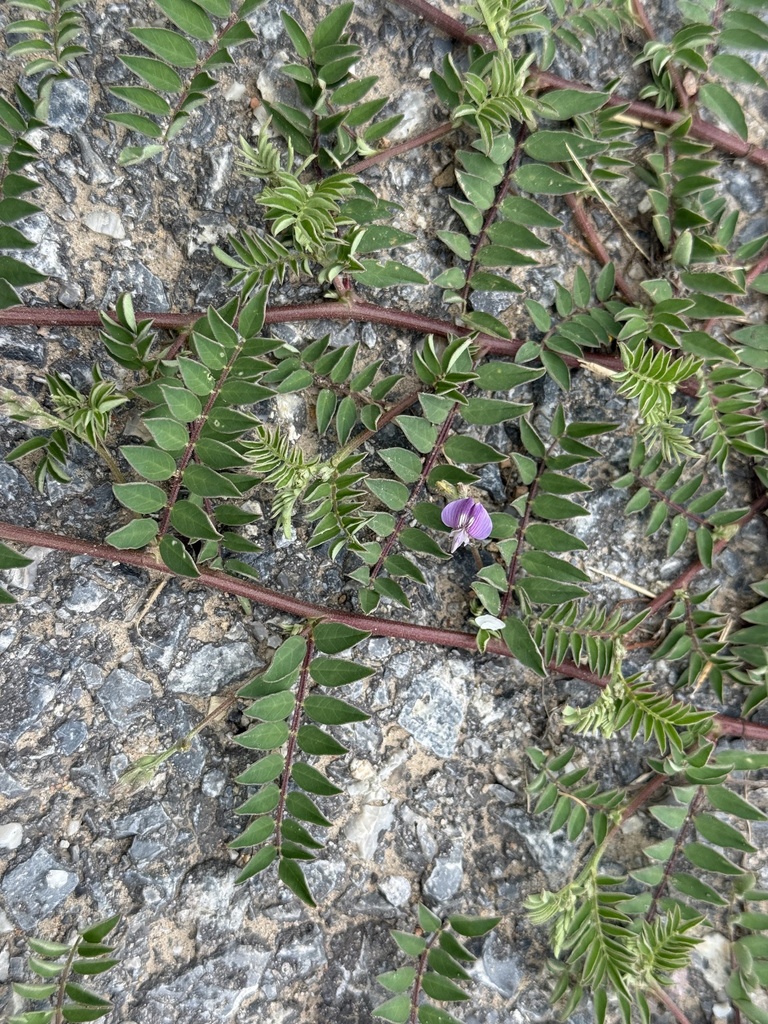
Asia · Herb · № 757
Astragalus complanatus
Traditionally attributed effects: strengthens kidney yang, holds in the essence and strengthens the eyesight.
 Caution
North America · Herb · № 944
Nuphar lutea (incl. N. variegata)
A water plant with floating leaves and yellow, globe-shaped flowers. The rhizome contains alkaloids whose effects are poorly studied.
 Caution
Europe · Herb · № 316
Aphanes arvensis
Traditionally attributed effects: diuretic, soothing.
 Caution
Europe · Herb · № 92
Scrophularia nodosa (en S. ningpoensis)
Used in Western herbalism for skin conditions such as eczema and psoriasis and for swollen glands. There is no good clinical evidence.
 Caution
North America · Herb · № 949
Hepatica nobilis (incl. H. americana en H. acutiloba)
An early spring flower of the buttercup family with three-lobed leaves. Fresh, the plant contains irritating compounds.
 Caution
Europe · Other · № 588
Lobaria pulmonaria
Traditionally attributed effects: antioxidant, expectorant; reduces inflammation in the airways and intestines, supports the lungs and helps with sinusitis.
 Caution
Europe · Herb · № 235
Euphrasia officinalis
Traditionally attributed effects: anticatarrhal, antiseptic, anti-inflammatory.
 Caution
Asia · Herb · № 507
Helicteres isora
Traditionally attributed effects: expectorant, soothing, mildly astringent, stomachic; for colic, flatulence, diarrhoea, chronic dysentery, diabetes, ear infection, snake bites.
 Caution
Europe · Herb · № 318
Ficaria verna (syn. Ranunculus ficaria)
Traditionally attributed effects: astringent, used for haemorrhoids.
 Caution
North America · Herb · № 945
Sarracenia purpurea
A carnivorous plant with pitcher-shaped leaves that hold rainwater, in which insects drown. Little research exists on effects in people.

Featured · Central America and the Caribbean · Curanderismo
Salvia divinorum
A sage with large leaves containing salvinorin A, a very potent substance acting on the kappa opioid receptor. Brings short-lived, often intense changes in perception and the feeling of leaving the body.
Read moreFrom plant to use
Discover more
43 traditions
How communities built up and passed on their knowledge of plants, region by region.
113 recipes
Soups, teas and dishes in which herbs play a leading role.
146 formulas
The classical Chinese formulas, also listed by condition.