Skip to content
Herbs & Cultures

Tradition in Europe

Western herbal medicine

From medieval herbals to present-day phytotherapy

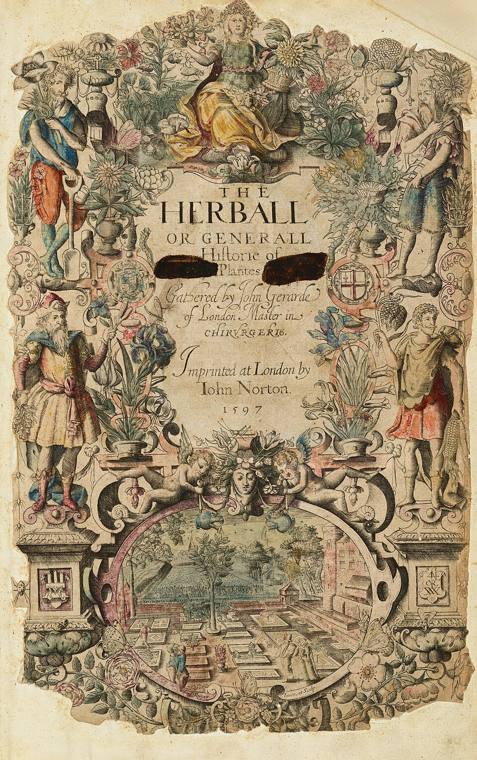
The title page of John Gerard's The Herball (London, 1597).
The title page of John Gerard's The Herball (London, 1597). public domain

History

With the invention of printing, the great herbals arrived in the fifteenth and sixteenth centuries. In 1485 the Gart der Gesundheit appeared in Mainz. In 1542 Leonhart Fuchs published De historia stirpium, with beautiful woodcuts drawn from nature.

The Low Countries played a large role. The Mechelen physician Rembert Dodoens published his Cruydeboeck in Antwerp in 1554, one of the most important herbals of its time, which was translated into many languages. In England John Gerard’s Herball appeared in 1597, and in 1652 The English Physitian by Nicholas Culpeper, who made the knowledge accessible to ordinary people in English.

From the eighteenth century science grew out of herbalism. In 1785 William Withering described how foxglove helped with dropsy caused by heart failure. In the nineteenth century chemists isolated active substances from plants, such as morphine from the opium poppy in 1804. In 1897 Bayer made aspirin, based on a substance also found in willow bark and meadowsweet.
Key ideas

For a long time Western herbalism was based on the doctrine of the humours. Every herb had a temperament, warm or cold, dry or moist.

In the sixteenth century the doctrine of signatures became popular. According to Paracelsus and others, God had placed a sign of a plant’s effect in its shape or colour: a plant with heart-shaped leaves would be good for the heart. Culpeper moreover linked every plant to a planet.

Modern phytotherapy works differently. It looks for active substances, standardised extracts and scientific evidence, though traditional knowledge lives on too.

Knowledge and its transmission

Knowledge spread through books, apothecaries and physicians, and through ordinary people who had herbals at home. Apothecaries made remedies according to pharmacopoeias, official books of recipes.

In the twentieth century the paths parted. Conventional medicine went on with pure substances and synthetic drugs. Herbalists, naturopaths and phytotherapists continued the herbal tradition, often with their own training.

In Germany phytotherapy remained an ordinary part of healthcare, with herbal medicines that doctors prescribe.

Texts and figures

Dodoens’ Cruydeboeck of 1554 describes hundreds of plants with their names, features and uses. It is a pride of Dutch-language science.

Culpeper’s The English Physitian is still in print today. Gerard’s Herball and Fuchs’ De historia stirpium are famous for their illustrations.

In 1785 William Withering wrote An Account of the Foxglove, one of the first careful studies of the effect of a plant in patients.

Today

In the European Union, since Directive 2004/24/EC, traditional herbal remedies may be registered as medicines if they have been in use for at least thirty years, fifteen of them in the EU, and are safe. The European Medicines Agency draws up monographs on many medicinal plants.

Many modern medicines originally come from plants. Herbal teas and herbal supplements are popular.

There is also criticism: some herbal supplements are poorly studied, and quality varies greatly.

Nature in the tradition

Western herbalism uses many native European plants. Chamomile for stomach ache and inflammation, valerian for restlessness and sleeplessness, St John’s wort for low mood, peppermint for bowel complaints.

Calendula is used for the skin, yarrow for wounds, thyme for coughs. Western herbalism also took in plants from other continents, such as echinacea from America.

Foxglove, willow and the opium poppy show how plants lie at the basis of modern medicines.

Approaching it with respect

“Natural” does not automatically mean safe. Foxglove is deadly poisonous. St John’s wort has many interactions with medicines, such as the contraceptive pill, blood thinners and antidepressants.

Consult a doctor or pharmacist before combining herbal remedies with medicines.

From the kitchen

Recipes from this tradition

Registry

Herbs in this tradition

  • Caution

    Europe · Herb · № 2

    Rosemary

    Salvia rosmarinus (syn. Rosmarinus officinalis)

    An aromatic culinary herb with carnosic acid and rosmarinic acid. A few small studies point to a slight effect of the scent on alertness; that it improves memory has not been shown. The leaf is used for digestive complaints.

    Monastic and folk knowledge+4Folklore
  • Caution

    Africa · Herb · № 201

    Rose geranium

    Pelargonium graveolens

    Traditionally attributed effects: antidepressant, pain-relieving, diuretic, calming, tonic.

    Western herbal medicine+1Folklore
  • Caution

    Europe · Herb · № 366

    Rhodiola

    Rhodiola rosea

    Roseroot is sold as an adaptogen for tiredness and stress. Some studies find a small effect on stress-related fatigue, but they are small and of varying quality. There is no evidence that it prevents colds.

    Western herbal medicine+1
  • Caution

    Asia · Herb · № 321

    Safflower

    Carthamus tinctorius

    Traditionally attributed effects: laxative, diuretic, anti-inflammatory.

    Ayurveda+3
  • Caution

    Europe · Herb · № 45

    Sage

    Salvia officinalis

    A culinary herb. A few small studies suggest possible effects on memory and blood lipids, but evidence is limited.

    Monastic and folk knowledge+4Folklore
  • Caution

    North America · Herb · № 594

    Solomon's seal

    Polygonatum biflorum

    Traditionally attributed effects: tonic, astringent, relaxing; strengthens and lubricates tendons, ligaments and joints, helps with prolapse of the uterus and bladder, calms the heart rhythm, moistens dry conditions (dry skin, stool, airways).

    Indigenous healing traditions of North America+2
  • Caution

    Asia · Herb · № 140

    Sandalwood

    Santalum album

    Used in Ayurveda as a 'cooling' remedy for skin irritation and urinary complaints; the oil is used in aromatherapy. Clinical evidence is limited.

    Ayurveda+6Folklore
  • Caution

    Central America and the Caribbean · Herb · № 369

    Sarsaparilla

    Smilax spp. (o.a. Smilax ornata)

    The root contains saponins and was long sold as a 'blood-purifying' remedy and for skin conditions. There is no evidence that sarsaparilla treats herpes, syphilis or other infections.

    Curanderismo+2
  • Caution

    North America · Herb · № 633

    Sassafras

    Sassafras albidum

    Traditionally attributed effects: expels wind, dampness and cold in joint complaints, also when heat is involved, moves the blood in stasis after trauma or in absent menstruation, and is used for itchy skin.

    Indigenous healing traditions of North America+4
  • Caution

    Europe · Herb · № 595

    Sheep sorrel

    Rumex acetosella

    Traditionally attributed effects: induces sweating, diuretic, fever-reducing, stops bleeding; traditionally for cancer (ingredient of Essiac tea), relieves 'hot' conditions (fever, thirst, inflammation), boils, transient jaundice.

    Western herbal medicine+1
  • Caution

    Europe · Herb · № 91

    White willow

    Salix alba

    The bark contains salicin, which the body partly converts to salicylic acid. There are hints of a moderate effect on low back pain and joint pain.

    Greco-Roman medicine+3Folklore
  • Caution

    Asia · Herb · № 592

    Schisandra

    Schisandra chinensis

    Traditionally attributed effects: tonic, astringent, stimulating, adaptogen; supports exhausted adrenals (fatigue), promotes sleep and well-being, protects the liver.

    Chinese medical traditions+3
  • Caution

    Europe · Food · № 61

    Celery

    Apium graveolens

    Vegetable and spice. The seed was traditionally used for gout, joint complaints and as a diuretic. Convincing clinical evidence is lacking.

    Western herbal medicine+3Folklore
  • Caution

    Africa · Herb · № 117

    Senna

    Senna alexandrina

    Leaves and pods contain sennosides, a stimulant laxative that works for short-term constipation. It is used in modern over-the-counter laxatives.

    Ancient Egyptian medicine+5
  • Caution

    Asia · Mushroom · № 145

    Shiitake

    Lentinula edodes

    An edible mushroom. Lentinan from shiitake is researched and used in oncology in Japan; there is little evidence for ordinary shiitake as an 'immune booster'.

    Chinese medical traditions+3
  • Caution

    Europe · Herb · № 43

    St. John's wort

    Hypericum perforatum

    Research suggests it may help mild to moderate depression; evidence for other uses is insufficient.

    Greco-Roman medicine+3Folklore
  • Caution

    Asia · Herb · № 180

    Opium poppy

    Papaver somniferum

    The latex of the unripe seed capsule (opium) contains morphine, codeine and other alkaloids. Morphine and related opioids are indispensable painkillers in modern medicine, but highly addictive. The seeds (poppy seeds) are an ordinary food.

    Ayurveda+4
  • Caution

    North America · Herb · № 286

    California poppy

    Eschscholzia californica

    Traditionally attributed effects: pain-relieving, sleep-inducing, calming.

    Indigenous healing traditions of North America+1
  • Caution

    Asia · Herb · № 313

    Dwarf lilyturf (mai men dong)

    Ophiopogon japonicus

    Traditionally attributed effects: promotes the secretion of body fluids, tonic, calming, cough-suppressing, lowers blood sugar, antibacterial.

    Chinese medical traditions+3
  • Caution

    Europe · Herb · № 95

    Comfrey

    Symphytum officinale

    Topical preparations have been studied for bruises, sprains and back pain and appear to reduce pain. It contains allantoin, which is thought to support tissue repair.

    Monastic and folk knowledge+3Folklore
  • Caution

    North America · Herb · № 295

    Fringe tree

    Chionanthus virginicus

    Traditionally attributed effects: promotes bile, stimulates the liver, tonic, diuretic.

    Eclectic medicine+1
  • Caution

    Europe · Herb · № 318

    Lesser celandine

    Ficaria verna (syn. Ranunculus ficaria)

    Traditionally attributed effects: astringent, used for haemorrhoids.

    Western herbal medicine
  • Caution

    Europe · Herb · № 577

    Alder buckthorn

    Frangula alnus

    Traditionally attributed effects: cleansing, laxative, antiparasitic, bitter; mild laxative without cramps, stops bleeding and helps with warts, mouthwash for gum problems, hair rinse for scalp irritation.

    Western herbal medicine
  • Caution

    North America · Herb · № 168

    Northern prickly ash

    Zanthoxylum americanum

    Bark and berries give a tingling, numbing feeling in the mouth; they were traditionally used for toothache, poor circulation and rheumatism. Clinical research is lacking.

    Indigenous healing traditions of North America+4
  • Caution

    Europe · Herb · № 279

    Black horehound

    Ballota nigra

    Traditionally attributed effects: against vomiting, stimulating, antispasmodic.

    Western herbal medicine
  • Caution

    Europe · Herb · № 298

    Greater celandine

    Chelidonium majus

    Traditionally attributed effects: diuretic, cleansing, stimulates the liver, anti-inflammatory.

    Greco-Roman medicine+1
  • Caution

    South America · Herb · № 164

    Suma

    Hebanthe eriantha (syn. Pfaffia paniculata)

    Sold as 'Brazilian ginseng' and an adaptogen for fatigue. There is hardly any human research.

    Herbal knowledge of the Amazon+1
  • Caution

    Asia · Herb · № 195

    Yew

    Taxus baccata

    Traditionally attributed effects: carminative, expectorant, stomachic, tonic; leaf and fruit promote menstruation, calming, antispasmodic; for asthma, hiccups, indigestion, coughing up blood, epilepsy, stones, nervousness.

    Ayurveda+2Folklore
  • Caution

    Oceania · Other · № 22

    Tea tree oil

    Melaleuca alternifolia

    An essential oil for external use. Limited research suggests possible effects for acne or athlete’s foot; evidence is preliminary.

    Aboriginal and Torres Strait Islander knowledge+1
  • Caution

    North America · Herb · № 171

    Evening primrose

    Oenothera biennis

    The seed oil contains gamma-linolenic acid and is sold for eczema, premenstrual symptoms and hot flushes. NCCIH reports it does not help eczema and that evidence for other conditions is insufficient.

    Indigenous healing traditions of North America+4
  • Caution

    Europe · Herb · № 98

    Thyme

    Thymus vulgaris

    Traditionally used for coughs and bronchitis; thymol from the oil inhibits bacteria and fungi in the laboratory. There are some studies of thyme-based cough syrups.

    Greco-Roman medicine+4Folklore
  • Caution

    Central America and the Caribbean · Food · № 157

    Tomato

    Solanum lycopersicum

    A fruit-vegetable with vitamin C and lycopene. Research on lycopene and heart or prostate health is mostly observational and not conclusive.

    Maya healing knowledge+4Folklore
  • Caution

    Europe · Herb · № 328

    Tormentil

    Potentilla erecta

    Traditionally attributed effects: astringent, especially for the intestinal wall.

    Western herbal medicine
  • Caution

    North America · Herb · № 152

    Witch hazel

    Hamamelis virginiana

    Strongly astringent due to tannins. Witch hazel water and ointment are used externally for minor skin irritation, bruises and haemorrhoids; there is limited but reasonably supportive evidence.

    Indigenous healing traditions of North America+4Folklore
  • Caution

    Europe · Herb · № 20

    Valerian

    Valeriana officinalis

    The root has a traditional association with sleep and calm. Research on insomnia is inconsistent and does not establish benefit.

    Western herbal medicine+1Folklore
  • Caution

    Europe · Herb · № 114

    Arnica

    Arnica montana

    Used externally for bruises and muscle aches. Studies give mixed results. Homeopathic arnica is so diluted that it contains no active substance.

    Western herbal medicine+1Folklore