 Caution
Europe · Herb · № 47
Hawthorn
Crataegus monogyna, C. laevigata (en C. pinnatifida)
Studied for heart failure with conflicting results. For most conditions there is little or no good evidence.
Monastic and folk knowledge+3Folklore
Tradition in Europe
From medieval herbals to present-day phytotherapy
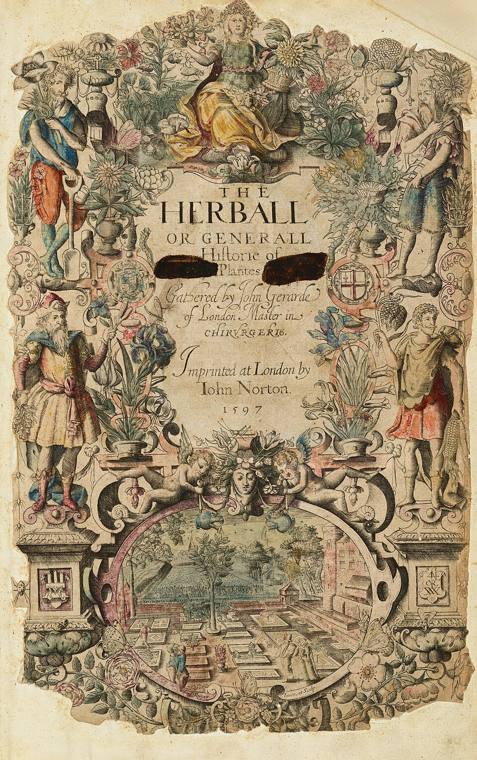
With the invention of printing, the great herbals arrived in the fifteenth and sixteenth centuries. In 1485 the Gart der Gesundheit appeared in Mainz. In 1542 Leonhart Fuchs published De historia stirpium, with beautiful woodcuts drawn from nature.
The Low Countries played a large role. The Mechelen physician Rembert Dodoens published his Cruydeboeck in Antwerp in 1554, one of the most important herbals of its time, which was translated into many languages. In England John Gerard’s Herball appeared in 1597, and in 1652 The English Physitian by Nicholas Culpeper, who made the knowledge accessible to ordinary people in English.
From the eighteenth century science grew out of herbalism. In 1785 William Withering described how foxglove helped with dropsy caused by heart failure. In the nineteenth century chemists isolated active substances from plants, such as morphine from the opium poppy in 1804. In 1897 Bayer made aspirin, based on a substance also found in willow bark and meadowsweet.
For a long time Western herbalism was based on the doctrine of the humours. Every herb had a temperament, warm or cold, dry or moist.
In the sixteenth century the doctrine of signatures became popular. According to Paracelsus and others, God had placed a sign of a plant’s effect in its shape or colour: a plant with heart-shaped leaves would be good for the heart. Culpeper moreover linked every plant to a planet.
Modern phytotherapy works differently. It looks for active substances, standardised extracts and scientific evidence, though traditional knowledge lives on too.
Knowledge spread through books, apothecaries and physicians, and through ordinary people who had herbals at home. Apothecaries made remedies according to pharmacopoeias, official books of recipes.
In the twentieth century the paths parted. Conventional medicine went on with pure substances and synthetic drugs. Herbalists, naturopaths and phytotherapists continued the herbal tradition, often with their own training.
In Germany phytotherapy remained an ordinary part of healthcare, with herbal medicines that doctors prescribe.
Dodoens’ Cruydeboeck of 1554 describes hundreds of plants with their names, features and uses. It is a pride of Dutch-language science.
Culpeper’s The English Physitian is still in print today. Gerard’s Herball and Fuchs’ De historia stirpium are famous for their illustrations.
In 1785 William Withering wrote An Account of the Foxglove, one of the first careful studies of the effect of a plant in patients.
In the European Union, since Directive 2004/24/EC, traditional herbal remedies may be registered as medicines if they have been in use for at least thirty years, fifteen of them in the EU, and are safe. The European Medicines Agency draws up monographs on many medicinal plants.
Many modern medicines originally come from plants. Herbal teas and herbal supplements are popular.
There is also criticism: some herbal supplements are poorly studied, and quality varies greatly.
Western herbalism uses many native European plants. Chamomile for stomach ache and inflammation, valerian for restlessness and sleeplessness, St John’s wort for low mood, peppermint for bowel complaints.
Calendula is used for the skin, yarrow for wounds, thyme for coughs. Western herbalism also took in plants from other continents, such as echinacea from America.
Foxglove, willow and the opium poppy show how plants lie at the basis of modern medicines.
“Natural” does not automatically mean safe. Foxglove is deadly poisonous. St John’s wort has many interactions with medicines, such as the contraceptive pill, blood thinners and antidepressants.
Consult a doctor or pharmacist before combining herbal remedies with medicines.
From the kitchen
 AsiaSweating tea with elder, yarrow and mintA classic hot tea for the start of a cold with fever and little sweating.ColdsSore throatElderberry · Yarrow · MintAbout 4 cups · Steep 15–30 minutes
 AsiaCooling sun teaHerbs that steep in the sun for a few hours: a refreshing drink for warm days.Hot daysBorage · Lemon balm · Bitter orange3 litres · 4–6 hours in the sun
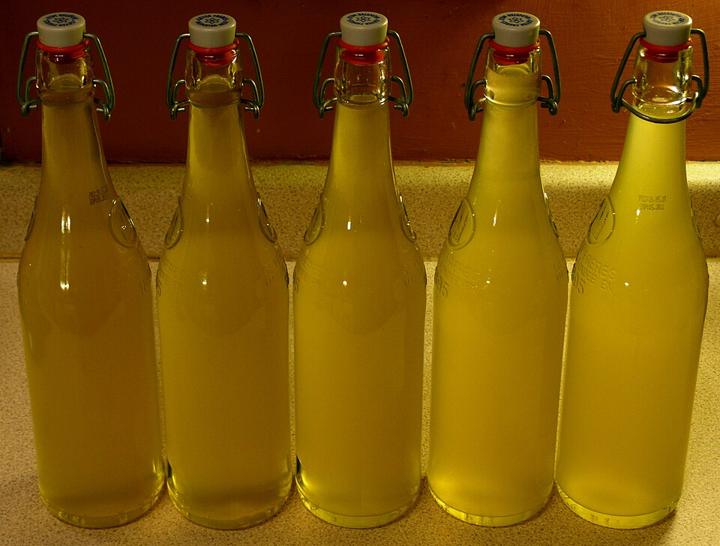 Jim Champion from Southampton, UK · CC BY-SA 2.0EuropeElderflower cordialThe scent of June in a bottle: a syrup of elderflower and lemon.Hot daysElderberry · LemonAbout 1.5 litres of cordial · 30 minutes, plus 1–2 days steeping
Registry
CautionEurope · Herb · № 47
Crataegus monogyna, C. laevigata (en C. pinnatifida)
Studied for heart failure with conflicting results. For most conditions there is little or no good evidence.
 Caution
Africa · Other · № 28
Commiphora myrrha
A gum resin with a long history in medicine, ritual, perfume, and incense. Modern treatment claims are not established.
 Caution
Europe · Herb · № 96
Tanacetum parthenium
Best known for preventing migraine. NCCIH notes the evidence is conflicting: some studies find a small effect, others do not.
 Caution
Europe · Herb · № 335
Stachys palustris
Traditionally attributed effects: antiseptic, antispasmodic, wound-healing.
 Caution
Europe · Herb · № 110
Gnaphalium uliginosum
An astringent herb traditionally used as a gargle for sore throats and inflamed upper airways. There is no clinical research.
 Caution
Europe · Herb · № 71
Filipendula ulmaria
Contains salicylates. Traditionally used for heartburn, an irritated stomach and joint pain. Clinical research is scarce.
 Caution
Europe · Herb · № 291
Vitex agnus-castus
Traditionally attributed effects: stimulates the pituitary gland and hormone production.
 Caution
North America · Herb · № 629
Ephedra viridis, E. nevadensis, E. californica
Traditionally attributed effects: opens the surface in wind-cold with sneezing and a watery nose, mildly eases wheezing and promotes urination.
 Caution
Asia · Herb · № 341
Brassica juncea
Traditionally attributed effects: plant bitter, mildly laxative, tonic; oil stimulating and skin-irritant, antiseptic; for chest complaints in children, muscular rheumatism, stiff neck, inflammation and nerve pain, abdominal cramps, persistent vomiting.
 Caution
Europe · Herb · № 314
Pilosella officinarum (syn. Hieracium pilosella)
Traditionally attributed effects: antispasmodic, expectorant, anticatarrhal, diuretic, wound-healing.
 Caution
Europe · Herb · № 3
Mentha × piperita
Peppermint oil has been studied in irritable bowel syndrome and may reduce abdominal pain. The tea is used for a full stomach and nausea. With heartburn peppermint can make complaints worse.
 Caution
Europe · Herb · № 380
Salvia sclarea
The essential oil is used in relaxing baths and massages. A small study pointed to a relaxing effect when inhaled; the evidence is limited.
 Caution
Asia · Herb · № 39
Azadirachta indica
Used for centuries in traditional medicine in India, but there is insufficient clinical evidence of medical benefits.
 Caution
Asia · Herb · № 129
Myristica fragrans
A spice used in small amounts in Ayurveda and Arabic medicine for diarrhoea, nausea and insomnia. There is no good clinical evidence.
 Caution
Europe · Herb · № 235
Euphrasia officinalis
Traditionally attributed effects: anticatarrhal, antiseptic, anti-inflammatory.
 Caution
North America · Herb · № 153
Ligusticum porteri, L. sinense en L. wallichii
The root is traditionally used for sore throats, coughs and early colds. There is virtually no clinical research.
 Caution
Europe · Herb · № 97
Taraxacum officinale
The leaf is mildly diuretic; the bitter root was used for the liver and digestion. NCCIH notes there is little human research.
 Caution
North America · Herb · № 154
Passiflora incarnata
Used for anxiety and sleep problems. NCCIH notes some indications of an effect on anxiety but limited evidence.
 Caution
North America · Herb · № 326
Mitchella repens
Traditionally attributed effects: stimulates the uterus, tonic, restorative, astringent, diuretic.
 Caution
South America · Herb · № 165
Handroanthus impetiginosus (syn. Tabebuia avellanedae)
The inner bark is sold for fungal infections, inflammation and as a 'cancer remedy'. There is no reliable human evidence; its active compound lapachol proved too toxic at effective doses.
 Caution
Europe · Food · № 259
Daucus carota
Traditionally attributed effects: stimulating, diuretic, tonic, carminative; expels kidney and bladder stones, relieves lower back pain from the kidneys, reduces oedema, restores the bladder, stimulates digestion; seed traditionally as a contraceptive.
 Caution
Oceania · Herb · № 178
Euphorbia hirta
Traditionally used for asthma and bronchitis (the name asthma weed comes from Queensland), for diarrhoea and externally for warts. There is laboratory research but no good clinical evidence.
 Caution
Asia · Herb · № 275
Pinellia ternata
Traditionally attributed effects: cough-suppressing, expectorant, against vomiting, anticatarrhal.
 Caution
Asia · Herb · № 132
Paeonia lactiflora en P. suffruticosa
The peeled root (bai shao, white peony) is used in Chinese medicine for cramps, period pain and muscle pain. There are studies of combination formulas but few of peony alone.
 Caution
Central America and the Caribbean · Herb · № 167
Guaiacum officinale
The resin and wood were used for rheumatic complaints and gout; guaiac resin is still used in the guaiac test for blood in stool. There is no modern evidence for its classic uses.
 Caution
Europe · Herb · № 590
Mentha pulegium
Traditionally attributed effects: stimulating, astringent, promotes menstruation, induces sweating; brings on delayed menstruation, calms the stomach, lowers sudden high fever.
 Caution
North America · Herb · № 192
Populus tremuloides
Traditionally attributed effects: astringent, fever-reducing, tonic, anti-inflammatory, pain-relieving (salicylates); restores the sensitive bladder (incontinence), calms the bowels in stress diarrhoea, heals wounds, lowers fever, relieves headache.
 Caution
Asia · Mushroom · № 146
Wolfiporia cocos
One of the most widely used remedies in Chinese medicine, for fluid retention, poor digestion and restless sleep. Clinical research on fu ling alone is scarce.
 Caution
Asia · Herb · № 133
Plantago ovata
The seed husks form a mucilaginous gel: an established bulk-forming fibre for constipation and mild diarrhoea that can also modestly lower LDL cholesterol.
 Caution
North America · Herb · № 584
Eutrochium purpureum (syn. Eupatorium purpureum)
Traditionally attributed effects: diuretic, strengthens the nerves, astringent, stimulating, antiseptic; dissolves kidney and bladder stones, removes mineral deposits in joints, traditionally to prevent miscarriage and to prepare for childbirth.
 Caution
Asia · Herb · № 181
Rauvolfia serpentina
The root contains reserpine, which lowers blood pressure and has a sedative effect. In the 1950s reserpine was one of the first modern antihypertensives and antipsychotics, but it has largely been replaced by drugs with fewer side effects.
 Caution
Europe · Herb · № 299
Geranium robertianum
Traditionally attributed effects: astringent, stops bleeding.
 Caution
North America · Herb · № 323
Ulmus rubra (syn. U. fulva)
Traditionally attributed effects: soothing, nourishing, astringent.
 Caution
Europe · Herb · № 99
Trifolium pratense
Contains isoflavones (plant oestrogens) and is sold for menopausal symptoms. NCCIH concludes there is no convincing evidence that it reduces hot flushes.
 Caution
North America · Herb · № 368
Ceanothus americanus
Traditionally attributed effects: astringent, antispasmodic, expectorant, calming; for a swollen spleen (e.g. after glandular fever), cools and constricts blood vessels in bleeding and congestion of the uterus, liver and lymph.
 Caution
Europe · Herb · № 89
Rosa spp.
Rose hips are rich in vitamin C; a hip powder has been studied for osteoarthritis with modest results. Rose water and oil are used in skin care and as fragrance.