Skip to content
Herbs & Cultures

Ink, lotus and rice paper

Asia

435 remedies · 7 traditions

Asia is home to diverse healing traditions that developed over long periods. Ayurveda and Chinese medicine are influential, but do not represent all the continent’s knowledge and cultures.

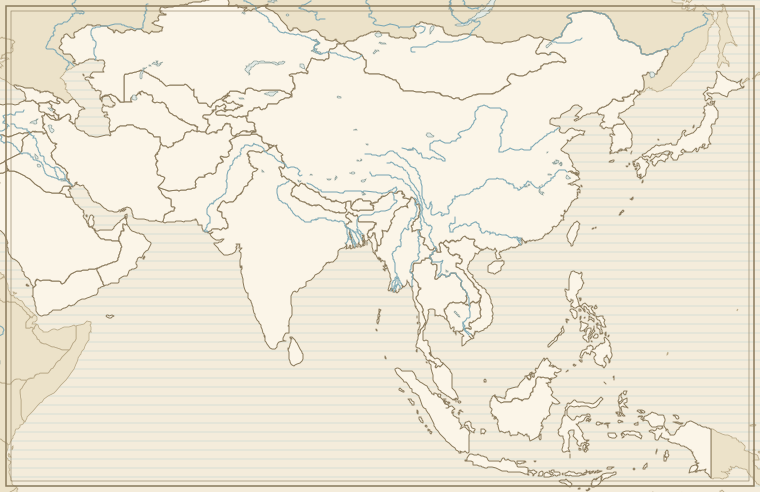
Asia: map of the areas of the traditions
1. Ayurveda · 2. Chinese medical traditions · 3. Korean hanbang and the Donguibogam · 4. Jamu in Indonesia · 5. Sowa Rigpa: Tibetan medicine · 6. Kampo: Japanese herbal medicine · 7. Unani medicine. Areas are approximate. Indigenous homelands were often larger and shrank under colonisation; the map shows where the knowledge described here comes from.

Characteristic plants

History and today

Cultures and traditions

Dates refer to surviving sources or written records where possible. Much orally transmitted knowledge predates its first written record.

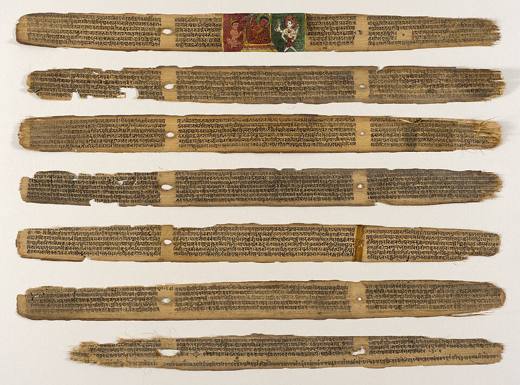
Palm leaves with the Sushruta Samhita, Nepal; text from the 12th–13th century.

Indian subcontinent

Ayurveda

South Asia; classical texts formed over centuries

Ayurveda literally means “knowledge of life”: āyus is life, veda is knowledge. Its roots lie deep in the history of South Asia. The Vedic texts, especially the Atharvaveda, already mention medicinal plants and charms against disease, but a coherent medical system only takes shape later. That system took form in three classical works known together as the Bṛhat Trayī, “the great three”: the Charaka Samhita, on internal medicine, the Sushruta Samhita, on surgery, and Vagbhata’s Ashtanga Hridaya. The first two grew over centuries and reached their present form roughly between a few centuries before and a few centuries after the beginning of the Common Era. Around the seventh century Vagbhata summarised both. Traditional datings are often much earlier; historians keep to these more cautious estimates. Ayurveda never stood alone. It influenced Tibetan Sowa Rigpa and met Unani, the Greco-Arabic medicine that came to India with Muslim rulers. Under British colonial rule Western medicine became the official standard. From the late nineteenth century Indian reformers rebuilt Ayurveda, with their own colleges, pharmacies and standardised remedies. That is why today’s Ayurveda looks different in many ways from classical practice.
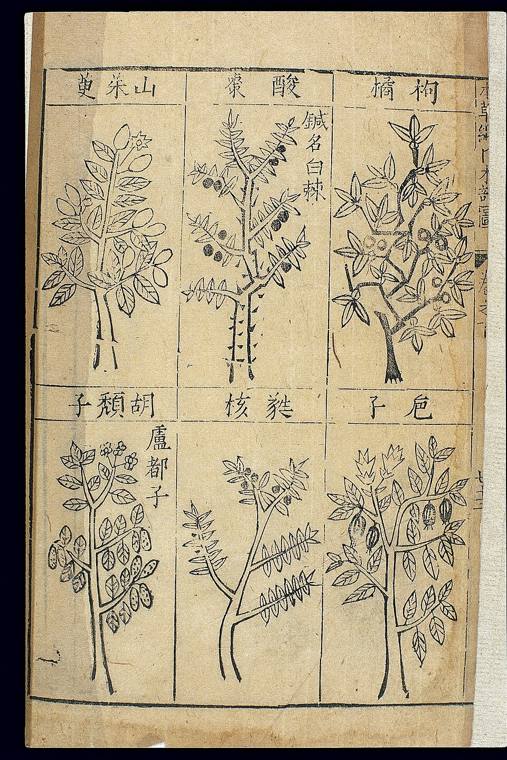
Plants from Li Shizhen's Bencao Gangmu, the great Chinese materia medica of the Ming period.

China

Chinese medical traditions

Classical writings from the early centuries BCE and CE

Chinese medicine is one of the oldest continuous healing traditions in the world. In a tomb at Mawangdui, sealed in 168 BCE, archaeologists found silk manuscripts with recipes against fifty-two ailments. They show how old the knowledge already was. The classical foundation lies in a few great works. The Huangdi Neijing, the “Inner Classic of the Yellow Emperor”, took shape in the last centuries BCE. The Shennong Bencao Jing, the herbal classic of the mythical farmer-emperor Shennong, describes 365 remedies. Around 200 CE Zhang Zhongjing wrote the Shanghan Lun, on febrile diseases, with formulas still in use today. Over the centuries the knowledge kept growing. In 1578 Li Shizhen completed the Bencao Gangmu, a huge encyclopaedia with almost two thousand remedies. In the twentieth century the tradition was reformed and standardised in China into what the West now calls “traditional Chinese medicine”.

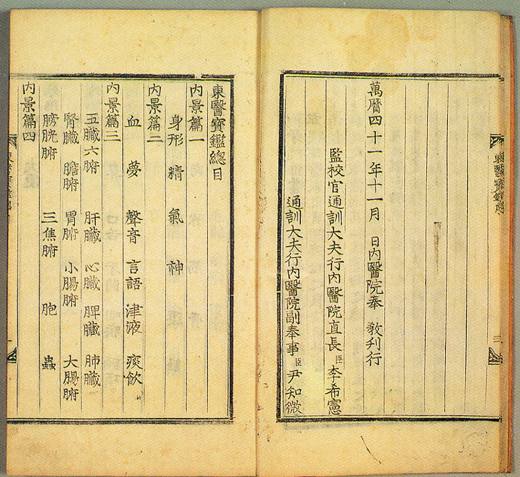
The table of contents of Heo Jun's Donguibogam (1613).

Korea

Korean hanbang and the Donguibogam

Medical compendium compiled in Korea in 1613

Korean medicine, hanbang or hanui, has roots in Chinese medicine, but over the centuries developed into a tradition of its own. As early as the Goryeo period Korea became known for its ginseng, which was exported to China and Japan. In the fifteenth century Korean physicians deliberately looked for their own, native remedies, the hyangyak. In 1433 the Hyangyak Jipseongbang appeared, a large work on remedies from Korea itself. The most important work is the Donguibogam, the “Precious Mirror of Eastern Medicine”. King Seonjo commissioned the court physician Heo Jun (1539–1615) in 1596. After the Japanese invasions and much hardship, Heo Jun completed the work in 1610, and in 1613 it was printed. UNESCO added it to the Memory of the World register in 2009.

Image of Benzoin

Java, Indonesia

Jamu in Indonesia

Roots in the Mataram era (8th–10th century); UNESCO heritage since 2023

Jamu is the traditional herbal medicine of Indonesia, especially of Java and Bali. Its roots go far back. Stone mortars from the site of Liyangan in Central Java, from the Mataram era of the eighth to tenth centuries, and reliefs on Borobudur already point to the preparation of herbs. At the courts of Java, in Surakarta and Yogyakarta, the knowledge was refined. Princesses and ladies of the court used jamu for beauty and health. In the nineteenth century much of that knowledge was written down. In the twentieth century a large jamu industry arose. Well-known brands such as Nyonya Meneer, founded in 1919, and Sido Muncul turned jamu into a mass product. In 2023 UNESCO recognised “jamu wellness culture” as intangible heritage.

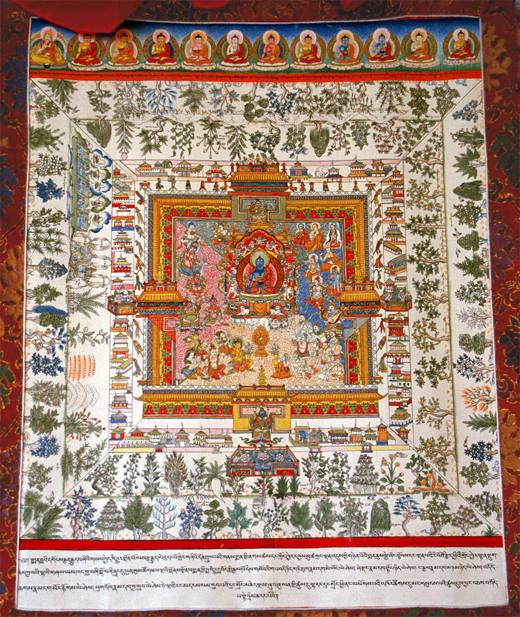
The first of Sangye Gyatso's medical paintings (1653–1705): the palace of the Medicine Buddha, surrounded by medicinal plants.

Tibetan Plateau and the Himalaya

Sowa Rigpa: Tibetan medicine

Developed from the 8th century; the Four Tantras revised in the 12th century

Sowa Rigpa, the “science of healing”, is the traditional medicine of Tibet, the Himalaya and Mongolia. It took shape in the eighth century, when King Trisong Detsen invited physicians from India, China, Persia and other lands to Tibet. According to tradition its founder is Yuthok Yonten Gonpo the Elder, an eighth-century physician. His descendant Yuthok the Younger revised the Gyushi, the “Four Tantras”, the principal work of Tibetan medicine, in the twelfth century. In 1696 the medical college of Chakpori was founded in Lhasa. In the seventeenth century the regent Desi Sangye Gyatso had a series of medical paintings made that explain the teaching in images. After 1959 Chakpori was destroyed. In 1961 the Men-Tsee-Khang was founded in exile in Dharamsala, and it continues the tradition.

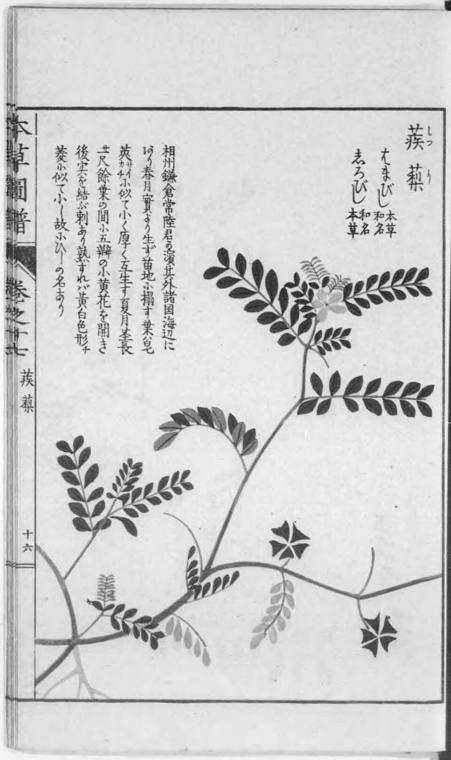
Puncturevine (Tribulus terrestris) from Iwasaki Tsunemasa's Honzō Zufu, a Japanese herbal of the Edo period.

Japan

Kampo: Japanese herbal medicine

From the 5th–7th centuries; its own form mainly in the Edo period (1603–1868)

Kampo means “method of the Han” and refers to its Chinese origin. Chinese medicine reached Japan from the fifth and sixth centuries, via Korea and directly from China, together with Buddhism and Chinese writing. The oldest surviving Japanese medical work is the Ishinpō, compiled in 984 by the court physician Tanba no Yasuyori. In the Edo period (1603–1868) Japanese physicians developed a practical form of their own. The school of “ancient formulas”, with physicians such as Yoshimasu Tōdō, went back to the Shanghan Lun and emphasised what the physician himself observes. In 1874 the Meiji government decreed that new physicians had to study Western medicine. As a result Kampo was pushed aside. A small group of physicians kept the knowledge alive, and in the twentieth century a revival followed.

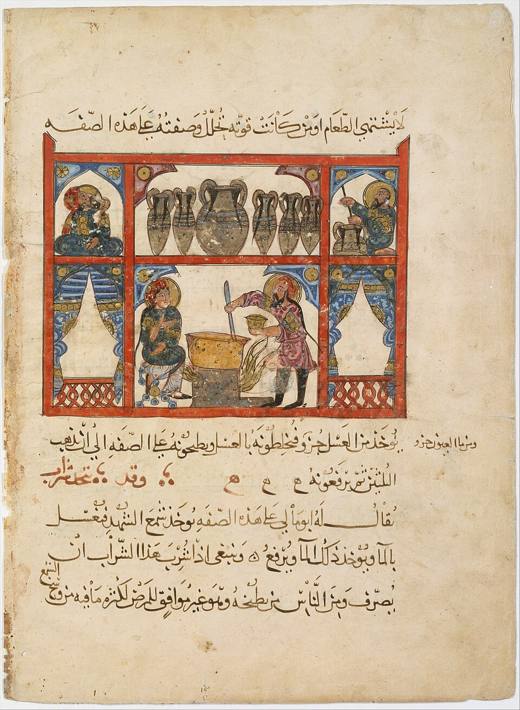
Preparing medicine from honey, from an Arabic translation of Dioscorides (1224).

From Persia to South Asia

Unani medicine

Roots in Greco-Roman antiquity; developed in the Islamic world from the 9th century

Unani comes from the Arabic and Persian word Yunani, “Greek”. The tradition builds on the Greek medicine of Hippocrates and Galen, which was translated, preserved and greatly expanded in the Islamic world. From the ninth century scholars in Baghdad translated Greek medical works into Arabic. Persian and Arab physicians such as al-Razi (865–925) and Ibn Sina (980–1037) built a rich system on them. Ibn Sina’s Canon of Medicine was studied for centuries in the Islamic world and in Europe. From the thirteenth century Unani came to South Asia with the Delhi Sultanate and later the Mughal emperors, where it flourished. After British rule, physicians such as Hakim Ajmal Khan (1868–1927) worked to preserve the tradition. He founded the Tibbia College in Delhi in 1916.

Herbs in this tradition (97)

From the kitchen

Recipes from Asia

All recipes (39) →

Registry

Herbs from Asia

Search herbs, spices and other natural ingredients by name, use, or tag. Traditional use is cultural and historical information, not medical advice.

435 results

  • Caution

    Herb · № 707

    Knotgrass (bian xu)

    Polygonum aviculare

    Traditionally attributed effects: drains damp heat in cystitis, stops itching and was used against worms.

    Chinese medical traditions
  • Caution

    Herb · № 717

    Hogfennel root (qian hu)

    Peucedanum praeruptorum

    Traditionally attributed effects: makes lung energy descend and dissolves thick phlegm, also in colds.

    Chinese medical traditions
  • Caution

    Herb · № 515

    Malabar nut

    Justicia adhatoda

    Traditionally attributed effects: expectorant, diuretic, antispasmodic, cleansing, bronchodilator; well-known Ayurvedic remedy for bronchitis, asthma, cough, fever, jaundice and tuberculosis; root for malaria, diphtheria and gonorrhoea.

    Ayurveda+1
  • Caution

    Herb · № 750

    Fo-ti (he shou wu)

    Reynoutria multiflora (syn. Polygonum multiflorum)

    Traditionally attributed effects: processed a tonic for blood, liver and kidneys; raw mildly laxative and detoxifying.

    Chinese medical traditions
  • Caution

    Herb · № 667

    Greater duckweed (fu ping)

    Spirodela polyrhiza

    Traditionally attributed effects: diaphoretic and diuretic; helps rashes come out.

    Chinese medical traditions
  • Caution

    Herb · № 403

    Maidenhair fern

    Adiantum philippense

    Traditionally attributed effects: antipyretic, diuretic, cleansing, expels worms, cooling; for cough and respiratory complaints, fever, leprosy, erysipelas.

    Ayurveda+1
  • Caution

    Herb · № 350

    Vetiver

    Chrysopogon zizanioides

    Traditionally attributed effects: supports circulation and weight loss (scrub).

    Ayurveda+1
  • Caution

    Herb · № 489

    Vidanga

    Embelia ribes

    Traditionally attributed effects: carminative, expels worms, stimulating, cleansing; against intestinal worms, ringworm and skin diseases, headache, sore throat and mouth ulcers, bark paste for pneumonia.

    Ayurveda+1
  • Caution

    Food · № 801

    Fig

    Ficus carica

    Traditionally attributed effects: dried figs make Chinese soups naturally sweet, such as the watercress and spare-rib soup and the eight-treasure soup; they are regarded as moistening for lung and bowel.

    Chinese medical traditions+3
  • Caution

    Herb · № 446

    Flame of the forest

    Butea monosperma

    Traditionally attributed effects: leaves astringent, diuretic, tonic, aphrodisiac; seeds expel worms and laxative; flowers tonic; for diarrhoea, heartburn, diabetes (lowers blood sugar), flatulence, haemorrhoids, worms, leucorrhoea, inflamed throat.

    Ayurveda
  • Caution

    Herb · № 466

    Butterfly pea

    Clitoria ternatea

    Traditionally attributed effects: root mildly laxative, diuretic, expels worms; seeds strongly laxative; for ascites, enlarged abdominal organs, migraine (flower juice), gonorrhoea, bladder irritation, ulcers, swollen joints.

    Ayurveda+1
  • Caution

    Herb · № 672

    Buddleia flower bud (mi meng hua)

    Buddleja officinalis

    Traditionally attributed effects: cools liver heat in red, swollen, watery and light-sensitive eyes.

    Chinese medical traditions
  • Caution

    Food · № 646

    Fox nut (qian shi)

    Euryale ferox

    Traditionally attributed effects: a tonic for long life that according to tradition counters ageing and gives strength.

    Ayurveda+1
  • Caution

    Herb · № 694

    Dittany root bark (bai xian pi)

    Dictamnus dasycarpus

    Traditionally attributed effects: drains heat, dampness and wind in itchy, weeping skin conditions.

    Chinese medical traditions
  • Caution

    Herb · № 479

    Dodder

    Cuscuta reflexa

    Traditionally attributed effects: carminative, expels worms, cleansing, antispasmodic; for stomach ache, constipation, flatulence, liver complaints, bile complaints; externally for itching and skin diseases.

    Ayurveda+1
  • Caution

    Food · № 435

    Ash gourd

    Benincasa hispida

    Traditionally attributed effects: nourishing, tonic, laxative, diuretic; seeds expel worms; juice for coughing up blood and internal bleeding, for insanity, epilepsy and nervous diseases.

    Ayurveda+1
  • Caution

    Food · № 803

    Water chestnut

    Eleocharis dulcis

    Traditionally attributed effects: peeled water chestnuts go with carrot and Chinese dates into a sweetish pork soup that by tradition strengthens lungs and spleen, dissolves phlegm and soothes cough.

    Chinese medical traditions
  • Caution

    Herb · № 682

    Woad (ban lan gen)

    Isatis tinctoria (syn. I. indigotica)

    Traditionally attributed effects: root (ban lan gen) and leaf (da qing ye) cool heat and 'toxin' in viral infections, sore throat and mumps.

    Chinese medical traditions
  • Caution

    Herb · № 640

    Fragrant Solomon's seal (yu zhu)

    Polygonatum odoratum

    Traditionally attributed effects: nourishes the stomach and promotes the production of body fluids; for fatigue, poor appetite, weak digestion and exhaustion.

    Chinese medical traditions+1
  • Caution

    Herb · № 767

    Sour jujube seed (suan zao ren)

    Ziziphus jujuba var. spinosa

    Traditionally attributed effects: nourishes heart yin and calms the mind in insomnia and restlessness; curbs night sweats.

    Chinese medical traditions+2
  • Caution

    Herb · № 517

    Wild tobacco

    Lobelia nicotianaefolia

    Traditionally attributed effects: antiseptic, antifungal, antispasmodic (in combination with other remedies).

    Ayurveda
  • Caution

    Herb · № 459

    Wild black cumin

    Centratherum anthelminticum

    Traditionally attributed effects: expels worms (threadworms), tonic, stomachic, diuretic; for skin diseases and scorpion stings.

    Ayurveda
  • Caution

    Herb · № 651

    White atractylodes (bai zhu)

    Atractylodes macrocephala

    Traditionally attributed effects: strengthens the spleen and regulates the stomach; for diarrhoea and fluid retention, and traditionally to help prevent miscarriage.

    Chinese medical traditions+2
  • Caution

    Herb · № 539

    White leadwort

    Plumbago zeylanica

    Traditionally attributed effects: cleansing, stimulates the stomach, stimulates appetite; externally skin-irritant for rheumatism, paralysis, enlarged glands, leucoderma and skin diseases; tincture antipyretic.

    Ayurveda
  • Caution

    Herb · № 128

    White mulberry

    Morus alba en M. nigra

    The leaf (sang ye) is being studied for post-meal blood sugar and is used in Chinese medicine for coughs and fevers; bark, twigs and berries each have their own use too. Evidence is preliminary.

    Chinese medical traditions+2
  • Caution

    Mushroom · № 652

    Snow fungus (bai mu er)

    Tremella fuciformis

    Traditionally attributed effects: a tonic for the yin energy and the lungs; supports breathing, energy and a balanced blood pressure.

    Chinese medical traditions
  • Caution

    Herb · № 712

    Hypoglauca yam (bei xie)

    Dioscorea hypoglauca (syn. D. collettii)

    Traditionally attributed effects: clears cloudy urine and expels wind and dampness in rheumatism and skin complaints.

    Chinese medical traditions
  • Caution

    Herb · № 478

    Zedoary

    Curcuma zedoaria

    Traditionally attributed effects: stimulating, carminative, expectorant, soothing, diuretic, skin-irritant, purifies the blood.

    Ayurveda+3
  • Caution

    Herb · № 424

    Wormseed

    Artemisia maritima

    Traditionally attributed effects: antipyretic, mildly laxative, stomachic, tonic, expels worms, stimulates the heart; against worms, compress for inflammation, tumours and foul ulcers.

    Ayurveda
  • Caution

    Herb · № 648

    Celosia seed (qing xiang zi)

    Celosia argentea

    Traditionally attributed effects: cools the liver, reduces liver inflammation and helps with high blood pressure and the eye complaints related to it.

    Chinese medical traditions
  • Caution

    Herb · № 18

    Licorice root

    Glycyrrhiza glabra

    A root with long use in several traditions; high-quality evidence does not support most health claims.

    Ayurveda+9Folklore
  • Caution

    Herb · № 121

    Sweet wormwood (qing hao)

    Artemisia annua

    Source of artemisinin, the basis of today's standard malaria treatment. Teas or herbal preparations, however, are not a reliable malaria treatment; the WHO advises against them.

    Chinese medical traditions
  • Caution

    Herb · № 706

    Kochia fruit (di fu zi)

    Bassia scoparia (syn. Kochia scoparia)

    Traditionally attributed effects: drains damp heat in cystitis and itchy, weeping skin.

    Chinese medical traditions
  • Caution

    Herb · № 728

    Black atractylodes (cang zhu)

    Atractylodes lancea

    Traditionally attributed effects: dries dampness and strengthens the spleen; expels wind, cold and dampness.

    Chinese medical traditions+2
  • Caution

    Herb · № 411

    Black cardamom

    Amomum subulatum

    Traditionally attributed effects: stomachic, carminative, stimulates the heart, expectorant; for digestive complaints, liver congestion, tooth and gum complaints, kidney stones (with melon seed), inflamed eyelids; flavouring.

    Ayurveda+2
  • Caution

    Herb · № 363

    Black seed

    Nigella sativa

    Traditionally attributed effects: aromatic, diuretic and sudorific, promotes bile, stomachic, stimulating, carminative, expels worms, promotes menstruation and milk flow, antibacterial.

    Ayurveda+3