 Caution
Asia · Herb · № 485
Air potato
Dioscorea bulbifera
Traditionally attributed effects: cleansing, pungent, appetite-suppressing; for syphilis, haemorrhoids, dysentery, ulcers.
Ayurveda+1
From Ayurveda to Rongoā Māori
Communities around the world learned how plants nourish, care and heal. Here their traditions stand beside present-day use, with respect for every culture.
 GrapeFolk magic and herbal magic
 BuchuLocal African healing traditions
 Indian tobaccoCherokee medicine
 Lignum vitaeHerbal knowledge of the Caribbean
 Yerba mateKallawaya healing knowledgeCaution
Asia · Herb · № 485
Dioscorea bulbifera
Traditionally attributed effects: cleansing, pungent, appetite-suppressing; for syphilis, haemorrhoids, dysentery, ulcers.
 Caution
Asia · Herb · № 693
Iris domestica (syn. Belamcanda chinensis)
Traditionally attributed effects: cools heat and detoxifies in severe sore throat and cough with much hot phlegm.
 Caution
Europe · Herb · № 211
Viola odorata
Traditionally attributed effects: V. odorata anti-inflammatory, expectorant, diuretic, antitumour; V. tricolor expectorant, anti-inflammatory, diuretic, antirheumatic, laxative, strengthens capillaries.
 Caution
Asia · Herb · № 544
Randia dumetorum
Traditionally attributed effects: fruit rind induces sweating and antispasmodic; bark calming and soothes the nerves; bark internally and externally for rheumatism, bruises and bone pain in fever, diarrhoea and dysentery; fruit emetic in acute bronchitis and asthma; scorpion stings.
 Caution
Asia · Mineral · № 795
Magnetitum (ijzeroxide)
Traditionally attributed effects: calms the mind and rising liver yang and helps the kidneys hold the lung energy.
 Caution
Asia · Herb · № 655
Magnolia biondii (syn. M. liliflora)
Traditionally attributed effects: warms and opens the nose in blocked sinuses and headache from wind-cold.
 Caution
Asia · Herb · № 727
Magnolia officinalis
Traditionally attributed effects: makes qi descend, dries dampness and resolves food stagnation and phlegm.
 Caution
North America · Herb · № 370
Mahonia aquifolium
Traditionally attributed effects: cleansing, purifies the blood, tonic, stimulating, supports the liver; improves appetite and digestion, promotes liver and bile secretion, purifies the blood, helps with skin problems, sudden diarrhoea and chronic constipation.
 Caution
Asia · Herb · № 520
Madhuca longifolia
Traditionally attributed effects: flowers cooling, soothing, expectorant, tonic, nourishing; bark astringent and tonic; for diabetes and rheumatism, bleeding gums, tonsil and throat inflammation, itching, bronchitis, cough, haemorrhoids.
 Caution
Central America and the Caribbean · Food · № 266
Zea mays
Traditionally attributed effects: diuretic, heals the urinary tract lining, tonic, soothing.
 Caution
Asia · Mushroom · № 589
Grifola frondosa
Traditionally attributed effects: adaptogen; activates immune cells against cancer (macrophages, NK cells, T cells), reduces stress and strengthens resistance to colds and flu.
 Caution
South America · Herb · № 859
Maytenus boaria
A graceful tree with drooping twigs and fine leaves that cattle love to eat. Traditionally for fever and skin rash; research is lacking.
 Caution
South America · Herb · № 883
Desmodium molliculum
A low plant of the pea family. Traditionally used for inflammation and wounds; research is limited.
 Caution
Asia · Food · № 730
Citrus reticulata
Traditionally attributed effects: the ripe peel (chen pi) moves the qi of spleen and lung and dissolves phlegm; the green peel (qing pi) moves liver qi.
 Caution
Asia · Herb · № 348
Centella asiatica
Traditionally attributed effects: cleansing, tonic, diuretic, locally stimulating, calming; for chronic ulcers, eczema, psoriasis, leprosy, epilepsy, insanity, swollen glands, abscesses, chronic rheumatism, diarrhoea in children.
 Caution
Asia · Food · № 248
Mangifera indica
Traditionally attributed effects: cooling herb, prevents a burning feeling and keeps you cool in the heat; aids digestion; good for skin and hair.
 Caution
Asia · Herb · № 476
Curcuma amada
Traditionally attributed effects: carminative, cooling, aromatic, bitter, stomachic, astringent, lowers cholesterol; externally for bruises, sprains and skin diseases; purifies the blood.
 Caution
Oceania · Herb · № 273
Leptospermum scoparium en Kunzea ericoides
Traditionally attributed effects: astringent, antimicrobial, antiseptic, expels worms (leptospermone); for ulcers, infections and fever.
 Caution
Europe · Herb · № 239
Viscum album
Traditionally attributed effects: slows the heart rate, lowers blood pressure, antitumour.
 Caution
Europe · Herb · № 199
Leucanthemum vulgare
Young leaves are edible. In folk medicine a tea of the flowers was used for coughs and as a wash; a medicinal effect has not been studied.
 Caution
Asia · Herb · № 216
Origanum majorana
A mildly aromatic culinary herb related to oregano. It was drunk as tea for bloating, colds and restlessness; studies in humans are scarce.
 Caution
Asia · Herb · № 493
Euphorbia neriifolia
Traditionally attributed effects: milky sap drastically laxative and expectorant, externally skin-irritant; root antispasmodic; for enlarged liver and spleen, oedema, leprosy; externally on warts, for earache, ulcers and scabies; root for scorpion and snake bites.
 Caution
Africa · Food · № 252
Cucumis melo
A sweet, juicy fruit. In Chinese medicine the dried stalk (gua di) was used to induce vomiting; no medicinal effect is described for the fruit itself.
 Caution
Asia · Mineral · № 800
Minium (loodoxide)
Traditionally attributed effects: was used externally to draw out pus and heal wounds; contains lead.
 Caution
Central America and the Caribbean · Herb · № 420
Argemone mexicana
Traditionally attributed effects: root diuretic, cleansing, pain-relieving, sleep-inducing; seeds laxative, emetic, expectorant; for oedema, jaundice, skin diseases, warts, scabies, gonorrhoea, tapeworm, cough and asthma.
 Caution
Europe · Herb · № 335
Stachys palustris
Traditionally attributed effects: antiseptic, antispasmodic, wound-healing.
 Caution
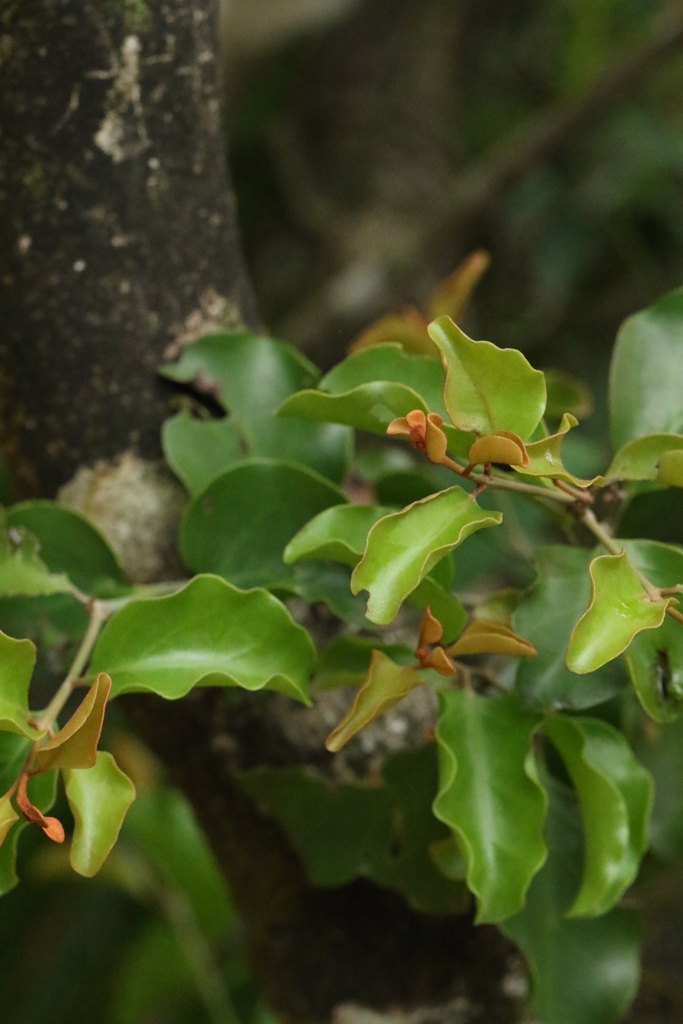
North America · Other · № 388
Limnanthes alba
Traditionally attributed effects: nourishing carrier oil.
 Caution
Asia · Herb · № 762
Taxillus chinensis (syn. Loranthus parasiticus)
Traditionally attributed effects: strengthens liver and kidneys, expels wind and dampness, nourishes the blood and calms the foetus.
 Caution
Asia · Food · № 763
Siraitia grosvenorii (syn. Momordica grosvenori)
Traditionally attributed effects: moistens and cools the lungs in a dry cough and reduces swollen glands.
 Caution
Europe · Herb · № 291
Vitex agnus-castus
Traditionally attributed effects: stimulates the pituitary gland and hormone production.
 Caution
Asia · Herb · № 753
Morinda officinalis
Traditionally attributed effects: strengthens kidney yang and expels wind, cold and dampness from back and legs.
 Caution
Asia · Herb · № 527
Moringa oleifera
Traditionally attributed effects: antispasmodic, stimulating, expectorant, diuretic, dissolves stones; leaves for scurvy and catarrh, flatulence in children, wounds and swellings; bark stimulates the heart in asthma and cough.
 Caution
North America · Herb · № 629
Ephedra viridis, E. nevadensis, E. californica
Traditionally attributed effects: opens the surface in wind-cold with sneezing and a watery nose, mildly eases wheezing and promotes urination.
 Caution
Asia · Herb · № 341
Brassica juncea
Traditionally attributed effects: plant bitter, mildly laxative, tonic; oil stimulating and skin-irritant, antiseptic; for chest complaints in children, muscular rheumatism, stiff neck, inflammation and nerve pain, abdominal cramps, persistent vomiting.
 Caution
Asia · Food · № 792
Saccharum granorum (maltose)
Traditionally attributed effects: strengthens qi and spleen, eases pain from cold in the middle and moistens the lungs.
 Caution
South America · Herb · № 880
Petiveria alliacea
A herb with a strong garlic smell. It has been studied for anti-inflammatory and antimicrobial effects; clinical evidence is lacking.

Featured · Central America and the Caribbean · Curanderismo
Salvia divinorum
A sage with large leaves containing salvinorin A, a very potent substance acting on the kappa opioid receptor. Brings short-lived, often intense changes in perception and the feeling of leaving the body.
Read moreFrom plant to use
Discover more
43 traditions
How communities built up and passed on their knowledge of plants, region by region.
113 recipes
Soups, teas and dishes in which herbs play a leading role.
146 formulas
The classical Chinese formulas, also listed by condition.