 Caution
Asia · Herb · № 678
Amur cork tree bark (huang bai)
Phellodendron amurense
Traditionally attributed effects: drains damp heat from the lower body and cools heat from kidney yin deficiency.
Chinese medical traditions+1
From Ayurveda to Rongoā Māori
Communities around the world learned how plants nourish, care and heal. Here their traditions stand beside present-day use, with respect for every culture.
 GrapeFolk magic and herbal magic
 BuchuLocal African healing traditions
 Indian tobaccoCherokee medicine
 Lignum vitaeHerbal knowledge of the Caribbean
 Yerba mateKallawaya healing knowledgeCaution
Asia · Herb · № 678
Phellodendron amurense
Traditionally attributed effects: drains damp heat from the lower body and cools heat from kidney yin deficiency.
 Caution
Asia · Herb · № 670
Anemarrhena asphodeloides
Traditionally attributed effects: cools heat in lungs and stomach and nourishes yin in fever, thirst and night sweats.
 Caution
Europe · Herb · № 197
Dianthus spp.
The clove pink has fragrant, edible petals. In Chinese medicine the related Dianthus superbus (qu mai) is used for bladder infections; no medicinal effect is described for the garden carnation.
 Caution
Asia · Herb · № 149
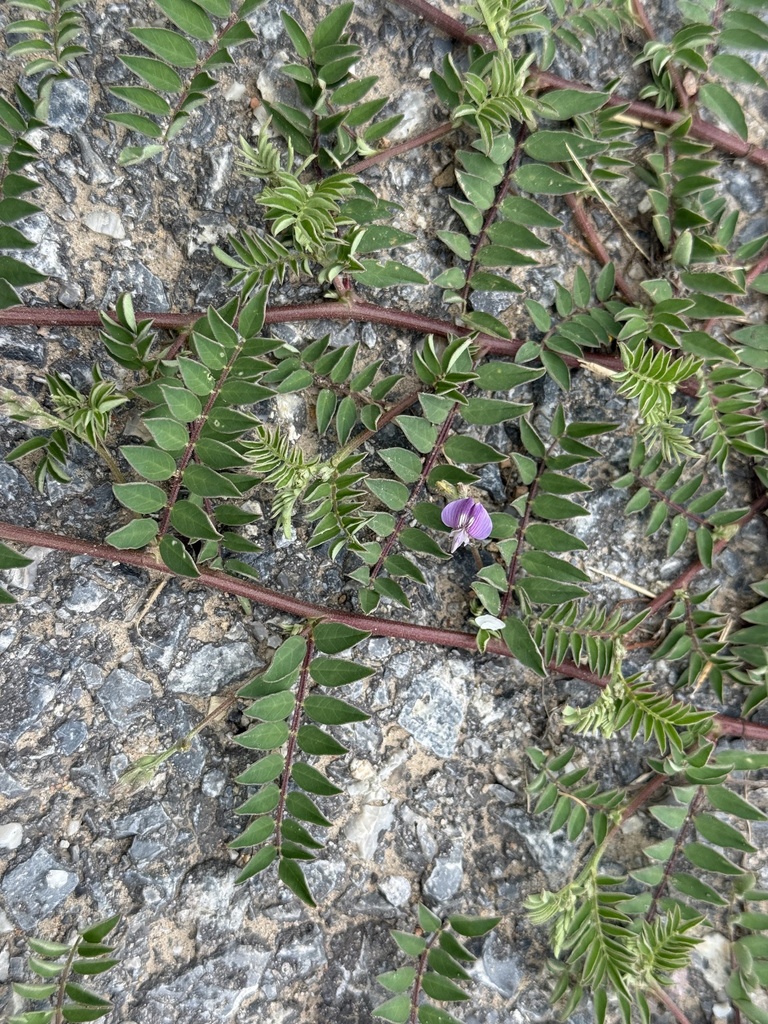
Astragalus membranaceus
In Chinese medicine an important strengthening herb ('qi tonic') for fatigue, catching colds easily and sweating. NCCIH notes there is little reliable human research.
 Caution
Asia · Herb · № 757
Astragalus complanatus
Traditionally attributed effects: strengthens kidney yang, holds in the essence and strengthens the eyesight.
 Caution
Asia · Herb · № 36
Panax ginseng (ook P. quinquefolius)
Research consists mostly of small, short studies; there is little evidence of health effects.
 Caution
Asia · Herb · № 542
Psoralea corylifolia
Traditionally attributed effects: laxative, expels worms, diuretic, induces sweating, antibacterial; for leprosy and leucoderma (vitiligo) internally and externally, bile complaints.
 Caution
Asia · Herb · № 677
Scutellaria baicalensis
Traditionally attributed effects: cools and dries damp heat, especially in the lungs and upper body; calms a restless foetus from heat.
 Caution
Asia · Herb · № 310
Platycodon grandiflorus
Traditionally attributed effects: expectorant, antifungal, antibacterial, lowers blood sugar.
 Caution
Asia · Herb · № 134
Phyllostachys nigra
In Chinese medicine bamboo shavings (zhu ru) and bamboo sap are used for coughs with yellow phlegm, nausea and restlessness. Ayurveda uses silica-rich bamboo manna. Clinical research is scarce.
 Caution
Asia · Herb · № 293
Angelica pubescens
Traditionally attributed effects: antirheumatic, pain-relieving, anti-inflammatory.
 Caution
Asia · Herb · № 229
Styrax benzoin
Traditionally attributed effects: expectorant, astringent, antispasmodic.
 Caution
Asia · Herb · № 747
Aconitum carmichaelii (bereide zijwortel)
Traditionally attributed effects: the most strongly warming remedy in Chinese medicine, for collapse of yang and pain from cold.
 Caution
Europe · Herb · № 67
Borago officinalis
The seed oil, rich in gamma-linolenic acid, has been studied for eczema and joint inflammation with mixed results. The leaf was traditionally used to reduce fever and as a tonic.
 Caution
Asia · Herb · № 419
Areca catechu
Traditionally attributed effects: stimulating, astringent, expels tapeworm, laxative, carminative, aphrodisiac; against roundworms and tapeworms, strengthens the gums, for urinary complaints, heartburn during pregnancy, lumbago.
 Caution
Asia · Herb · № 354
Eclipta prostrata
Traditionally attributed effects: strengthens the liver, decongestant, tonic, cleansing, antiviral; for enlarged liver and spleen, skin diseases, fever, oedema, rheumatism; hair oil for black and full hair; for swollen glands, elephantiasis, headache and toothache.
 Caution
Europe · Herb · № 64
Artemisia vulgaris
Traditionally used as a digestive bitter and to bring on delayed periods. Clinical evidence is largely lacking.
 Caution
Asia · Herb · № 123
Citrus × aurantium
The dried unripe fruit (zhi shi) and peel are used in Chinese medicine for bloating and sluggish digestion. NCCIH warns that weight-loss products containing bitter orange (synephrine) pose risks to the heart and blood pressure.
 Caution
Asia · Herb · № 735
Bletilla striata
Traditionally attributed effects: stops bleeding in lung and stomach and promotes wound healing.
 Caution
Asia · Food · № 284
Fagopyrum esculentum
Traditionally attributed effects: lowers blood pressure, vasodilating, restores the vessel walls.
 Caution
Asia · Mineral · № 781
Borax (natriumtetraboraat)
Traditionally attributed effects: externally for small ulcers in mouth, throat and vagina and for athlete's foot.
 Caution
Asia · Other · № 770
Dryobalanops aromatica (borneol)
Traditionally attributed effects: opens the sense orifices, cools heat and relieves pain; mainly external.
 Caution
Asia · Herb · № 557
Strychnos nux-vomica
Traditionally attributed effects: strengthens the nerves, stomachic, tonic, aphrodisiac, stimulates the spinal cord, breathing and heart.
 Caution
North America · Herb · № 631
Angelica breweri, A. arguta, A. hendersonii
Traditionally attributed effects: expels wind, dampness and cold in stiff, painful joints, opens the surface in wind-cold and moves qi and blood in pain.
 Caution
Asia · Herb · № 688
Brucea javanica
Traditionally attributed effects: was used for amoebic dysentery, malaria and externally for warts.
 Caution
Asia · Mineral · № 783
Calcitum (calciumcarbonaat)
Traditionally attributed effects: cools heat in fever with thirst and summer heat; externally on hot small ulcers and burns.
 Caution
North America · Herb · № 630
Scrophularia californica, S. lanceolata
Traditionally attributed effects: cools heat in the blood and nourishes yin, drains damp heat and disperses swellings.
 Caution
North America · Herb · № 627
Aralia californica
Traditionally attributed effects: opens the surface in wind-cold and fever without sweating, warms the lung and stops cough with abundant white or clear phlegm, and (roasted with honey) strengthens the energy of lung and spleen.
 Caution
Asia · Mineral · № 798
Calomelas (kwikchloride)
Traditionally attributed effects: was used externally against scabies and sores; contains mercury.
 Caution
North America · Herb · № 34
Hydrastis canadensis
There is not enough evidence to determine whether goldenseal helps any health condition.
 Caution
Asia · Herb · № 710
Artemisia capillaris
Traditionally attributed effects: drains damp heat from liver and gallbladder; main herb for jaundice.
 Caution
Asia · Herb · № 396
Acacia catechu
Traditionally attributed effects: strongly astringent; for chronic diarrhoea and dysentery, bleeding haemorrhoids, uterine bleeding, leucorrhoea; bleeding or inflamed gums, mouth ulcers, enlarged tonsils; bedsores; promotes milk flow.
 Caution
Asia · Herb · № 511
Hydnocarpus laurifolia
Traditionally attributed effects: cleansing, stimulating, inhibits bacterial growth; chaulmoogra oil for leprosy (reduces nodules and skin lesions) and skin diseases.
 Caution
Asia · Herb · № 766
Rosa laevigata
Traditionally attributed effects: holds in the essence and curbs diarrhoea and frequent urination.
 Caution
Asia · Herb · № 290
Bupleurum chinense
Traditionally attributed effects: energy tonic, stimulates the liver, cooling, antibacterial, anti-inflammatory, pain-relieving, promotes bile, lowers cholesterol.
 Caution
Asia · Herb · № 148
Forsythia suspensa
The fruits (lian qiao) are a 'cooling' herb in Chinese medicine for early colds with sore throat and fever, and for skin inflammation. There is little clinical research on lian qiao alone.

Featured · Central America and the Caribbean · Curanderismo
Salvia divinorum
A sage with large leaves containing salvinorin A, a very potent substance acting on the kappa opioid receptor. Brings short-lived, often intense changes in perception and the feeling of leaving the body.
Read moreFrom plant to use
Discover more
43 traditions
How communities built up and passed on their knowledge of plants, region by region.
113 recipes
Soups, teas and dishes in which herbs play a leading role.
146 formulas
The classical Chinese formulas, also listed by condition.