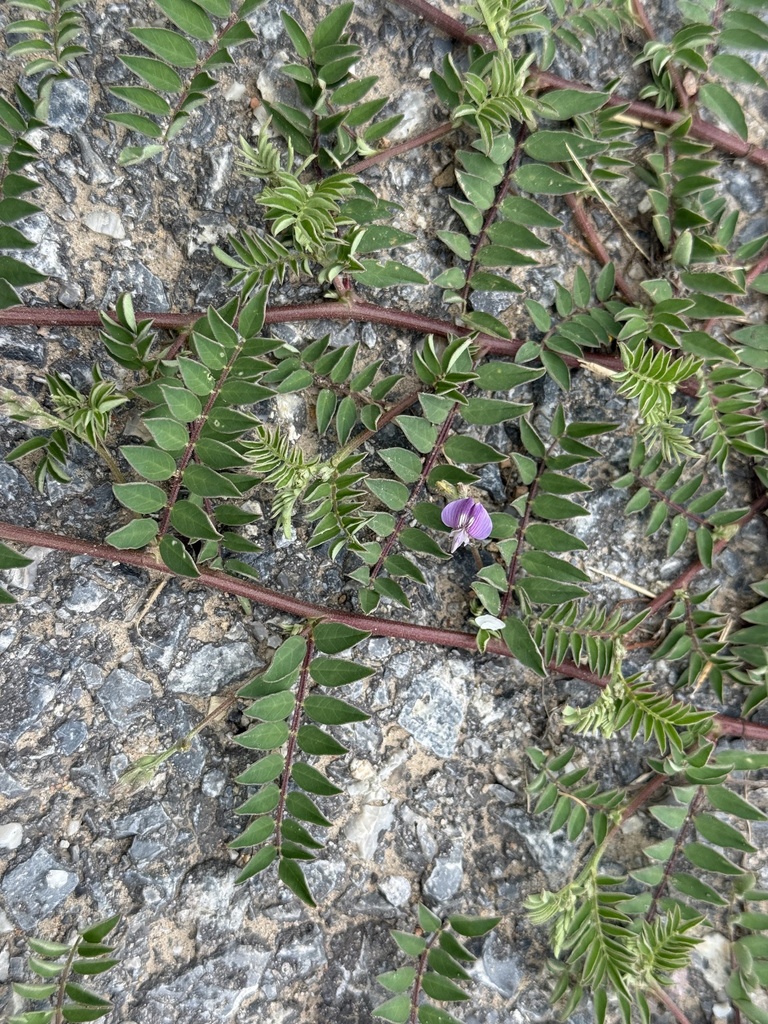
Asia · Herb · № 149
Astragalus (huang qi)
Astragalus membranaceus
In Chinese medicine an important strengthening herb ('qi tonic') for fatigue, catching colds easily and sweating. NCCIH notes there is little reliable human research.
From Ayurveda to Rongoā Māori
Communities around the world learned how plants nourish, care and heal. Here their traditions stand beside present-day use, with respect for every culture.
Asia · Herb · № 149
Astragalus membranaceus
In Chinese medicine an important strengthening herb ('qi tonic') for fatigue, catching colds easily and sweating. NCCIH notes there is little reliable human research.
CautionAsia · Herb · № 757
Astragalus complanatus
Traditionally attributed effects: strengthens kidney yang, holds in the essence and strengthens the eyesight.
North America · Food · № 962
Astragalus crassicarpus
A low legume with purple-pink flowers and thick, round pods that lie on the ground like small plums. Only the young pods are edible.
Central America and the Caribbean · Herb · № 632
Anemopsis californica
Traditionally attributed effects: expels wind and dampness in joint pain that worsens in cold, wet weather, opens blocked sinuses and dries dampness in slow-healing wounds and swellings.
Featured · Central America and the Caribbean · Curanderismo
Salvia divinorum
A sage with large leaves containing salvinorin A, a very potent substance acting on the kappa opioid receptor. Brings short-lived, often intense changes in perception and the feeling of leaving the body.
Read moreFrom plant to use
Discover more
43 traditions
How communities built up and passed on their knowledge of plants, region by region.
113 recipes
Soups, teas and dishes in which herbs play a leading role.
146 formulas
The classical Chinese formulas, also listed by condition.