 Caution
Asia · Food · № 284
Buckwheat
Fagopyrum esculentum
Traditionally attributed effects: lowers blood pressure, vasodilating, restores the vessel walls.
Chinese medical traditions+1
Tradition in Europe
From medieval herbals to present-day phytotherapy
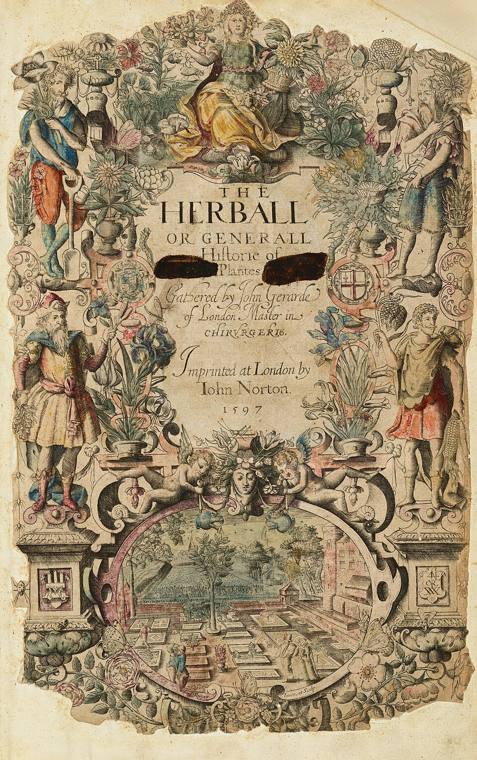
With the invention of printing, the great herbals arrived in the fifteenth and sixteenth centuries. In 1485 the Gart der Gesundheit appeared in Mainz. In 1542 Leonhart Fuchs published De historia stirpium, with beautiful woodcuts drawn from nature.
The Low Countries played a large role. The Mechelen physician Rembert Dodoens published his Cruydeboeck in Antwerp in 1554, one of the most important herbals of its time, which was translated into many languages. In England John Gerard’s Herball appeared in 1597, and in 1652 The English Physitian by Nicholas Culpeper, who made the knowledge accessible to ordinary people in English.
From the eighteenth century science grew out of herbalism. In 1785 William Withering described how foxglove helped with dropsy caused by heart failure. In the nineteenth century chemists isolated active substances from plants, such as morphine from the opium poppy in 1804. In 1897 Bayer made aspirin, based on a substance also found in willow bark and meadowsweet.
For a long time Western herbalism was based on the doctrine of the humours. Every herb had a temperament, warm or cold, dry or moist.
In the sixteenth century the doctrine of signatures became popular. According to Paracelsus and others, God had placed a sign of a plant’s effect in its shape or colour: a plant with heart-shaped leaves would be good for the heart. Culpeper moreover linked every plant to a planet.
Modern phytotherapy works differently. It looks for active substances, standardised extracts and scientific evidence, though traditional knowledge lives on too.
Knowledge spread through books, apothecaries and physicians, and through ordinary people who had herbals at home. Apothecaries made remedies according to pharmacopoeias, official books of recipes.
In the twentieth century the paths parted. Conventional medicine went on with pure substances and synthetic drugs. Herbalists, naturopaths and phytotherapists continued the herbal tradition, often with their own training.
In Germany phytotherapy remained an ordinary part of healthcare, with herbal medicines that doctors prescribe.
Dodoens’ Cruydeboeck of 1554 describes hundreds of plants with their names, features and uses. It is a pride of Dutch-language science.
Culpeper’s The English Physitian is still in print today. Gerard’s Herball and Fuchs’ De historia stirpium are famous for their illustrations.
In 1785 William Withering wrote An Account of the Foxglove, one of the first careful studies of the effect of a plant in patients.
In the European Union, since Directive 2004/24/EC, traditional herbal remedies may be registered as medicines if they have been in use for at least thirty years, fifteen of them in the EU, and are safe. The European Medicines Agency draws up monographs on many medicinal plants.
Many modern medicines originally come from plants. Herbal teas and herbal supplements are popular.
There is also criticism: some herbal supplements are poorly studied, and quality varies greatly.
Western herbalism uses many native European plants. Chamomile for stomach ache and inflammation, valerian for restlessness and sleeplessness, St John’s wort for low mood, peppermint for bowel complaints.
Calendula is used for the skin, yarrow for wounds, thyme for coughs. Western herbalism also took in plants from other continents, such as echinacea from America.
Foxglove, willow and the opium poppy show how plants lie at the basis of modern medicines.
“Natural” does not automatically mean safe. Foxglove is deadly poisonous. St John’s wort has many interactions with medicines, such as the contraceptive pill, blood thinners and antidepressants.
Consult a doctor or pharmacist before combining herbal remedies with medicines.
From the kitchen
 AsiaSweating tea with elder, yarrow and mintA classic hot tea for the start of a cold with fever and little sweating.ColdsSore throatElderberry · Yarrow · MintAbout 4 cups · Steep 15–30 minutes
 AsiaCooling sun teaHerbs that steep in the sun for a few hours: a refreshing drink for warm days.Hot daysBorage · Lemon balm · Bitter orange3 litres · 4–6 hours in the sun
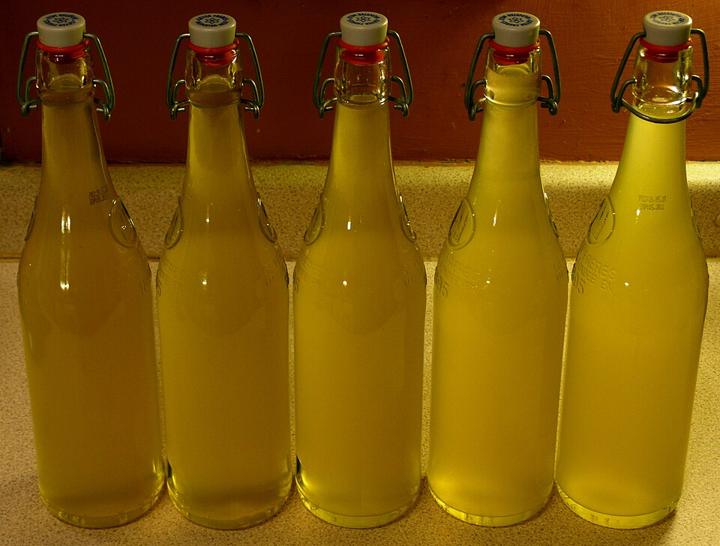 Jim Champion from Southampton, UK · CC BY-SA 2.0EuropeElderflower cordialThe scent of June in a bottle: a syrup of elderflower and lemon.Hot daysElderberry · LemonAbout 1.5 litres of cordial · 30 minutes, plus 1–2 days steeping
Registry
CautionAsia · Food · № 284
Fagopyrum esculentum
Traditionally attributed effects: lowers blood pressure, vasodilating, restores the vessel walls.
 Caution
South America · Herb · № 282
Peumus boldus
Traditionally attributed effects: stimulates the liver, diuretic.
 Caution
North America · Herb · № 151
Eupatorium perfoliatum
Traditionally used for fever and flu with aching muscles; the name refers to 'break-bone fever'. There is hardly any modern clinical research.
 Caution
Europe · Food · № 73
Fragaria vesca
The tannin-rich leaf was traditionally used for mild diarrhoea; the fruit is a treat rich in vitamin C. Medical evidence is lacking.
 Caution
North America · Herb · № 306
Hydrangea arborescens
Traditionally attributed effects: diuretic, laxative, stimulates the kidneys.
 Caution
Europe · Food · № 255
Rubus fruticosus
Traditionally attributed effects: astringent; for damp stomach and bowel complaints, diarrhoea, mucus; syrup or liqueur against sore throat.
 Caution
Europe · Food · № 48
Urtica dioica
A food and fiber plant with a long tradition in folk medicine. Medical claims are not established.
 Caution
Europe · Herb · № 283
Cytisus scoparius
Traditionally attributed effects: diuretic, laxative, raises blood pressure, stimulates the uterus.
 Caution
North America · Herb · № 631
Angelica breweri, A. arguta, A. hendersonii
Traditionally attributed effects: expels wind, dampness and cold in stiff, painful joints, opens the surface in wind-cold and moves qi and blood in pain.
 Caution
Africa · Herb · № 26
Agathosma betulina
Fragrant leaves used as a flavoring and in folk medicine; clinical evidence for treatment is lacking.
 Caution
Oceania · Herb · № 176
Melaleuca cajuputi, M. viridiflora, M. leucadendra e.a.
Both relatives of tea tree yield an essential oil used externally for muscle pain and in inhalations for colds. Clinical evidence is limited.
 Caution
North America · Herb · № 630
Scrophularia californica, S. lanceolata
Traditionally attributed effects: cools heat in the blood and nourishes yin, drains damp heat and disperses swellings.
 Caution
North America · Herb · № 627
Aralia californica
Traditionally attributed effects: opens the surface in wind-cold and fever without sweating, warms the lung and stops cough with abundant white or clear phlegm, and (roasted with honey) strengthens the energy of lung and spleen.
 Caution
Africa · Herb · № 287
Jateorhiza palmata
Traditionally attributed effects: bitter digestive tonic, carminative, lowers blood pressure.
 Caution
North America · Herb · № 34
Hydrastis canadensis
There is not enough evidence to determine whether goldenseal helps any health condition.
 Caution
North America · Herb · № 582
Solidago canadensis
Traditionally attributed effects: astringent, antiseptic, anti-inflammatory, wound-healing; heals the bladder wall (incontinence, irritation), for allergies and stuck mucus after a cold, eyewash for hay fever.
 Caution
North America · Herb · № 288
Frangula purshiana (syn. Rhamnus purshiana)
Traditionally attributed effects: laxative, digestive tonic.
 Caution
South America · Herb · № 162
Anemopaegma arvense / Erythroxylum catuaba
Sold in Brazil as a stimulant and aphrodisiac. There is no good clinical research; products vary because several different trees are called 'catuaba'.
 Caution
Central America and the Caribbean · Herb · № 161
Capsicum frutescens
Capsaicin from chilli peppers is used externally for nerve pain and joint pain; high-dose capsaicin patches are an approved medicine. Internally it is mainly a warming spice.
 Caution
Europe · Mushroom · № 578
Inonotus obliquus
Traditionally attributed effects: stimulating, adaptogen, antioxidant; regulates the immune system (also in autoimmune diseases), lowers cholesterol, balances blood sugar, anti-inflammatory.
 Caution
Asia · Herb · № 290
Bupleurum chinense
Traditionally attributed effects: energy tonic, stimulates the liver, cooling, antibacterial, anti-inflammatory, pain-relieving, promotes bile, lowers cholesterol.
 Caution
Asia · Herb · № 148
Forsythia suspensa
The fruits (lian qiao) are a 'cooling' herb in Chinese medicine for early colds with sore throat and fever, and for skin inflammation. There is little clinical research on lian qiao alone.
 Caution
Asia · Herb · № 125
Ephedra sinica
Contains ephedrine, which widens the airways and stimulates the nervous system and heart. It is the origin of modern ephedrine and pseudoephedrine medicines. As a supplement it has proved dangerous.
Asia · Herb · № 304
Coptis chinensis
Traditionally attributed effects: promotes bile, antibacterial, pain-relieving, calming, anti-inflammatory.
 Caution
Asia · Herb · № 137
Rheum palmatum
The root (da huang) contains anthraquinones, making it a strong laxative. In small amounts its tannins have the opposite, binding effect. Its mechanism is well understood.
 Caution
Asia · Herb · № 124
Chrysanthemum × morifolium
The flowers (ju hua) are used in Chinese medicine as a 'cooling' remedy for colds with fever, headaches and tired, red eyes. Clinical evidence is limited.
 Caution
Europe · Herb · № 225
Cichorium intybus
Traditionally attributed effects: diuretic, laxative, tonic.
 Caution
Europe · Herb · № 233
Cupressus sempervirens
Traditionally attributed effects: antiseptic, antispasmodic, calming, diuretic.
 Caution
Asia · Food · № 221
Citrus limon
Traditionally attributed effects: anti-inflammatory, antihistamine, diuretic, strengthens the veins.
 Caution
Europe · Herb · № 325
Artemisia abrotanum
Traditionally attributed effects: expels worms, antiseptic, bitter, stimulates the uterus.
 Caution
Europe · Herb · № 85
Melissa officinalis
Traditionally used for restlessness, sleep problems and a nervous stomach; externally for cold sores. Small studies suggest a mild calming effect, but evidence is limited.
 Caution
North America · Mineral · № 364
Silver particles in water. There is no evidence that colloidal silver treats infections, HIV or other diseases; it can, however, cause argyria, a permanent blue-grey discoloration of the skin and organs.
 Caution
Asia · Mushroom · № 147
Ophiocordyceps sinensis (syn. Cordyceps sinensis)
A fungus that parasitises caterpillars. Used in Tibetan and Chinese medicine for fatigue, lung complaints and low libido. Studies are small and there is no convincing evidence.
 Caution
North America · Herb · № 579
Larrea divaricata
Traditionally attributed effects: astringent, stimulating, cleansing, diuretic; detoxifies the liver and body, anti-inflammatory, for arthritis, strengthens bladder and kidneys, externally for haemorrhoids, boils, bedsores and bruises.
 Caution
Europe · Herb · № 320
Allium ursinum
Traditionally attributed effects: antimicrobial, lowers blood sugar, lowers cholesterol.
 Caution