Asia · Herb · № 592
Schisandra
Schisandra chinensis
Traditionally attributed effects: tonic, astringent, stimulating, adaptogen; supports exhausted adrenals (fatigue), promotes sleep and well-being, protects the liver.
From Ayurveda to Rongoā Māori
Communities around the world learned how plants nourish, care and heal. Here their traditions stand beside present-day use, with respect for every culture.
Asia · Herb · № 592
Schisandra chinensis
Traditionally attributed effects: tonic, astringent, stimulating, adaptogen; supports exhausted adrenals (fatigue), promotes sleep and well-being, protects the liver.
Europe · Herb · № 95
Symphytum officinale
Topical preparations have been studied for bruises, sprains and back pain and appear to reduce pain. It contains allantoin, which is thought to support tissue repair.
North America · Herb · № 295
Chionanthus virginicus
Traditionally attributed effects: promotes bile, stimulates the liver, tonic, diuretic.
Europe · Herb · № 298
Chelidonium majus
Traditionally attributed effects: diuretic, cleansing, stimulates the liver, anti-inflammatory.
Africa · Food · № 560
Tamarindus indica
Traditionally attributed effects: ripe fruit sour, cooling, carminative, laxative, antiscorbutic, promotes bile; for inflamed swellings, bilious vomiting, conjunctivitis (flowers), bleeding haemorrhoids, throat complaints, ulcers, paralysis (bark), gonorrhoea (ash).
Europe · Herb · № 334
Teucrium scorodonia
Traditionally attributed effects: astringent, induces sweating, antirheumatic, carminative, wound-healing, promotes bile.
Asia · Herb · № 750
Reynoutria multiflora (syn. Polygonum multiflorum)
Traditionally attributed effects: processed a tonic for blood, liver and kidneys; raw mildly laxative and detoxifying.
North America · Herb · № 581
Veronicastrum virginicum
Traditionally attributed effects: laxative, stimulating, supports the liver, promotes bile; decongests liver and gallbladder, for gallbladder pain and jaundice.
Asia · Herb · № 479
Cuscuta reflexa
Traditionally attributed effects: carminative, expels worms, cleansing, antispasmodic; for stomach ache, constipation, flatulence, liver complaints, bile complaints; externally for itching and skin diseases.
North America · Herb · № 587
Larix occidentalis
Traditionally attributed effects: stimulating, prebiotic; improves digestion and gut flora, strengthens the immune system, studied in tumours, helps with middle ear infections in children.
Asia · Herb · № 648
Celosia argentea
Traditionally attributed effects: cools the liver, reduces liver inflammation and helps with high blood pressure and the eye complaints related to it.
North America · Herb · № 150
Actaea racemosa
Mainly sold for menopausal symptoms such as hot flushes. NCCIH reports that study results are mixed and there is not enough evidence that it helps.
Europe · Herb · № 108
Berberis vulgaris
Bark and root contain berberine, which is being studied for blood sugar and cholesterol. The berries are rich in vitamin C. Evidence for barberry itself is limited.
Asia · Herb · № 411
Amomum subulatum
Traditionally attributed effects: stomachic, carminative, stimulates the heart, expectorant; for digestive complaints, liver congestion, tooth and gum complaints, kidney stones (with melon seed), inflamed eyelids; flavouring.
Europe · Herb · № 554
Solanum nigrum
Traditionally attributed effects: cleansing, calming, induces sweating and urination, expectorant; for oedema, chronically enlarged liver, jaundice, chronic skin diseases, coughing up blood, haemorrhoids, kidney and bladder inflammation, gonorrhoea, eye diseases; pain-relieving wash.
Europe · Herb · № 57
Agrimonia eupatoria
An astringent, tannin-rich herb traditionally used for diarrhoea, sore throats and minor wounds. Good human research is lacking.
Europe · Herb · № 523
Mentha arvensis
Traditionally attributed effects: aromatic, carminative, stimulating, antispasmodic, promotes menstruation, antiseptic, stomachic, cooling, diuretic; leaf juice for diarrhoea and dysentery, tea for rheumatism and indigestion.
Europe · Herb · № 79
Inula helenium
The root is traditionally used for productive coughs and bronchitis; it is rich in inulin. Clinical evidence is limited.
Africa · Herb · № 4
Aloe vera
The gel from the leaf is used externally to soothe the skin and for minor burns. Research on wound healing gives mixed results; the gel is no substitute for wound care.
Asia · Mineral · № 780
Alumen (kaliumaluminiumsulfaat)
Traditionally attributed effects: externally astringent and anti-itch; stanches bleeding.
Asia · Herb · № 743
Liquidambar formosana
Traditionally attributed effects: lets qi and blood flow and opens the meridians.
North America · Herb · № 997
Diospyros virginiana
A tree of the ebony family, related to the kaki. Unripe, the orange fruits are so astringent that they pucker the mouth, but after the first frost they are sweet and soft. They are rich in vitamin C. Bark and unripe fruits contain many tannins.
Europe · Food · № 84
Malus domestica
A fruit rich in fibre such as pectin; grated apple is an old home remedy for mild diarrhoea. No specific medicinal effect has been proven.
CautionAsia · Herb · № 757
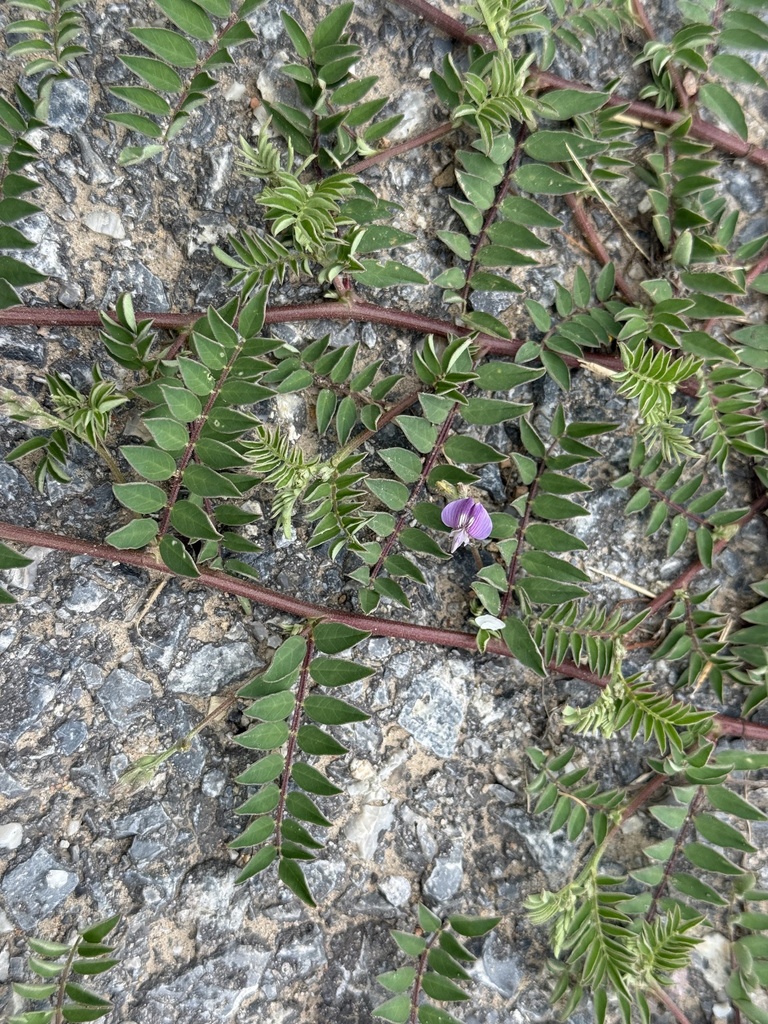
Astragalus complanatus
Traditionally attributed effects: strengthens kidney yang, holds in the essence and strengthens the eyesight.
Asia · Herb · № 677
Scutellaria baicalensis
Traditionally attributed effects: cools and dries damp heat, especially in the lungs and upper body; calms a restless foetus from heat.
Asia · Herb · № 293
Angelica pubescens
Traditionally attributed effects: antirheumatic, pain-relieving, anti-inflammatory.
Asia · Herb · № 229
Styrax benzoin
Traditionally attributed effects: expectorant, astringent, antispasmodic.
Asia · Herb · № 735
Bletilla striata
Traditionally attributed effects: stops bleeding in lung and stomach and promotes wound healing.
Europe · Food · № 73
Fragaria vesca
The tannin-rich leaf was traditionally used for mild diarrhoea; the fruit is a treat rich in vitamin C. Medical evidence is lacking.
Asia · Herb · № 557
Strychnos nux-vomica
Traditionally attributed effects: strengthens the nerves, stomachic, tonic, aphrodisiac, stimulates the spinal cord, breathing and heart.
Europe · Herb · № 283
Cytisus scoparius
Traditionally attributed effects: diuretic, laxative, raises blood pressure, stimulates the uterus.
Asia · Herb · № 688
Brucea javanica
Traditionally attributed effects: was used for amoebic dysentery, malaria and externally for warts.
Asia · Mineral · № 798
Calomelas (kwikchloride)
Traditionally attributed effects: was used externally against scabies and sores; contains mercury.
North America · Herb · № 34
Hydrastis canadensis
There is not enough evidence to determine whether goldenseal helps any health condition.
South America · Herb · № 891
Baccharis genistelloides (en B. trimera)
A perennial with flat, winged stems and hardly any leaves. One of the best-studied Baccharis species; it contains flavonoids that may be anti-inflammatory. Clinical evidence is lacking.
Asia · Herb · № 511
Hydnocarpus laurifolia
Traditionally attributed effects: cleansing, stimulating, inhibits bacterial growth; chaulmoogra oil for leprosy (reduces nodules and skin lesions) and skin diseases.
Featured · Central America and the Caribbean · Curanderismo
Salvia divinorum
A sage with large leaves containing salvinorin A, a very potent substance acting on the kappa opioid receptor. Brings short-lived, often intense changes in perception and the feeling of leaving the body.
Read moreFrom plant to use
Discover more
43 traditions
How communities built up and passed on their knowledge of plants, region by region.
113 recipes
Soups, teas and dishes in which herbs play a leading role.
146 formulas
The classical Chinese formulas, also listed by condition.