 Caution
Asia · Herb · № 143
Kutki
Picrorhiza kurroa
A very bitter herb used in Ayurveda and Tibetan medicine for liver complaints, fever and digestive problems. Research is mainly in animals.
Ayurveda+3
Tradition in Europe
From medieval herbals to present-day phytotherapy
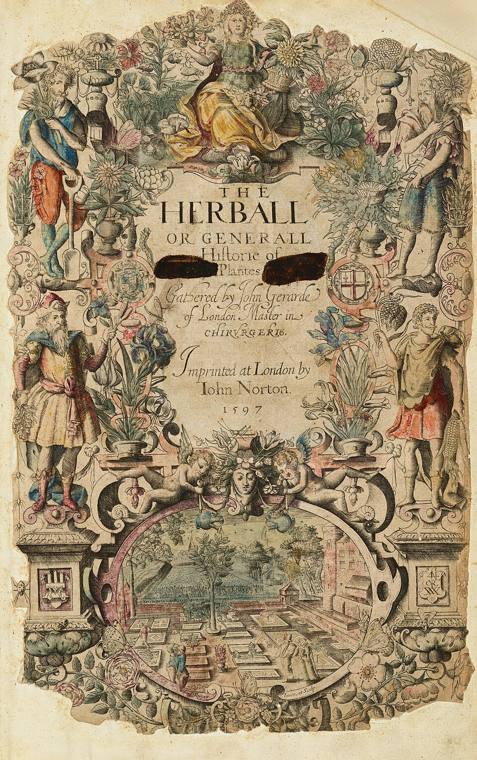
With the invention of printing, the great herbals arrived in the fifteenth and sixteenth centuries. In 1485 the Gart der Gesundheit appeared in Mainz. In 1542 Leonhart Fuchs published De historia stirpium, with beautiful woodcuts drawn from nature.
The Low Countries played a large role. The Mechelen physician Rembert Dodoens published his Cruydeboeck in Antwerp in 1554, one of the most important herbals of its time, which was translated into many languages. In England John Gerard’s Herball appeared in 1597, and in 1652 The English Physitian by Nicholas Culpeper, who made the knowledge accessible to ordinary people in English.
From the eighteenth century science grew out of herbalism. In 1785 William Withering described how foxglove helped with dropsy caused by heart failure. In the nineteenth century chemists isolated active substances from plants, such as morphine from the opium poppy in 1804. In 1897 Bayer made aspirin, based on a substance also found in willow bark and meadowsweet.
For a long time Western herbalism was based on the doctrine of the humours. Every herb had a temperament, warm or cold, dry or moist.
In the sixteenth century the doctrine of signatures became popular. According to Paracelsus and others, God had placed a sign of a plant’s effect in its shape or colour: a plant with heart-shaped leaves would be good for the heart. Culpeper moreover linked every plant to a planet.
Modern phytotherapy works differently. It looks for active substances, standardised extracts and scientific evidence, though traditional knowledge lives on too.
Knowledge spread through books, apothecaries and physicians, and through ordinary people who had herbals at home. Apothecaries made remedies according to pharmacopoeias, official books of recipes.
In the twentieth century the paths parted. Conventional medicine went on with pure substances and synthetic drugs. Herbalists, naturopaths and phytotherapists continued the herbal tradition, often with their own training.
In Germany phytotherapy remained an ordinary part of healthcare, with herbal medicines that doctors prescribe.
Dodoens’ Cruydeboeck of 1554 describes hundreds of plants with their names, features and uses. It is a pride of Dutch-language science.
Culpeper’s The English Physitian is still in print today. Gerard’s Herball and Fuchs’ De historia stirpium are famous for their illustrations.
In 1785 William Withering wrote An Account of the Foxglove, one of the first careful studies of the effect of a plant in patients.
In the European Union, since Directive 2004/24/EC, traditional herbal remedies may be registered as medicines if they have been in use for at least thirty years, fifteen of them in the EU, and are safe. The European Medicines Agency draws up monographs on many medicinal plants.
Many modern medicines originally come from plants. Herbal teas and herbal supplements are popular.
There is also criticism: some herbal supplements are poorly studied, and quality varies greatly.
Western herbalism uses many native European plants. Chamomile for stomach ache and inflammation, valerian for restlessness and sleeplessness, St John’s wort for low mood, peppermint for bowel complaints.
Calendula is used for the skin, yarrow for wounds, thyme for coughs. Western herbalism also took in plants from other continents, such as echinacea from America.
Foxglove, willow and the opium poppy show how plants lie at the basis of modern medicines.
“Natural” does not automatically mean safe. Foxglove is deadly poisonous. St John’s wort has many interactions with medicines, such as the contraceptive pill, blood thinners and antidepressants.
Consult a doctor or pharmacist before combining herbal remedies with medicines.
From the kitchen
 AsiaSweating tea with elder, yarrow and mintA classic hot tea for the start of a cold with fever and little sweating.ColdsSore throatElderberry · Yarrow · MintAbout 4 cups · Steep 15–30 minutes
 AsiaCooling sun teaHerbs that steep in the sun for a few hours: a refreshing drink for warm days.Hot daysBorage · Lemon balm · Bitter orange3 litres · 4–6 hours in the sun
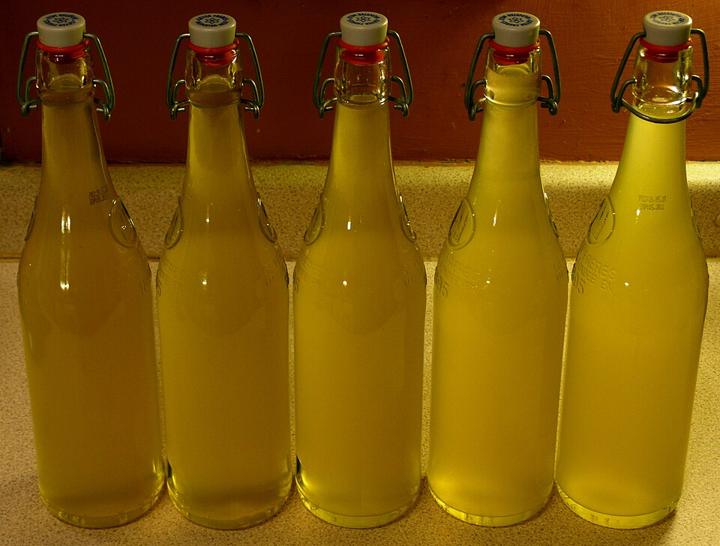 Jim Champion from Southampton, UK · CC BY-SA 2.0EuropeElderflower cordialThe scent of June in a bottle: a syrup of elderflower and lemon.Hot daysElderberry · LemonAbout 1.5 litres of cordial · 30 minutes, plus 1–2 days steeping
Registry
CautionAsia · Herb · № 143
Picrorhiza kurroa
A very bitter herb used in Ayurveda and Tibetan medicine for liver complaints, fever and digestive problems. Research is mainly in animals.
 Caution
Oceania · Herb · № 7
Piper methysticum
The drink slightly numbs the mouth and tongue and is relaxing. Research points to a modest effect on anxiety, but results vary and the safety of supplements is disputed.
 Caution
Africa · Herb · № 116
Ammi visnaga
Contains khellin, a muscle relaxant that widens the airways and blood vessels. Khellin was the basis for modern drugs such as cromoglicate (for asthma) and amiodarone (for heart rhythm disorders).
 Caution
Europe · Herb · № 75
Galium aparine
Used in Western herbalism as a 'lymphatic' herb for swollen glands and skin conditions. Scientific evidence is lacking.
 Caution
Europe · Herb · № 100
Tussilago farfara
One of the oldest cough herbs; the leaf contains soothing mucilage. Because of its toxic alkaloids it is now advised against.
 Caution
Asia · Herb · № 832
Alpinia officinarum
An aromatic rhizome traditionally used for digestive complaints.
 Caution
Europe · Herb · № 312
Vinca minor
Traditionally attributed effects: astringent, promotes circulation, improves blood flow to the brain.
 Caution
Africa · Food · № 12
Allium sativum
A food with a long history of use. Supplement research suggests only limited effects and does not establish a treatment.
 Caution
Africa · Herb · № 337
Cyperus rotundus
Traditionally attributed effects: carminative, pain-relieving, antispasmodic for the uterus, promotes the flow of qi.
 Caution
Europe · Herb · № 92
Scrophularia nodosa (en S. ningpoensis)
Used in Western herbalism for skin conditions such as eczema and psoriasis and for swollen glands. There is no good clinical evidence.
 Caution
Central America and the Caribbean · Herb · № 583
Selenicereus grandiflorus
Traditionally attributed effects: tonic, relaxing; strengthens the heart muscle and heart function (also in the elderly), relieves chest tightness and restricted breathing.
 Caution
Europe · Herb · № 271
Eupatorium cannabinum
Traditionally attributed effects: hemp agrimony fever-reducing, diuretic, laxative, promotes bile, expectorant, stimulates the immune system; boneset induces sweating, antispasmodic; gravel root soothing diuretic, antirheumatic, promotes menstruation.
 Caution
Europe · Herb · № 102
Verbascum thapsus
Leaves and flowers contain mucilage and are traditionally used for irritating coughs and bronchitis; the flower oil for earache. Clinical evidence is limited.
 Caution
Europe · Food · № 68
Brassica oleracea
A vegetable rich in vitamin C and fibre. In folk medicine cold cabbage leaves are placed on engorged breasts or painful joints; small studies give mixed results.
 Caution
Europe · Herb · № 292
Centaurea cyanus
Traditionally attributed effects: tonic, stimulating, anti-inflammatory.
 Caution
Asia · Food · № 42
Syzygium aromaticum
A spice. Clove oil containing eugenol may help with toothache; other claims are unproven.
 Caution
Europe · Herb · № 338
Rumex crispus
Traditionally attributed effects: strongly laxative, promotes bile, cleansing.
 Caution
Asia · Herb · № 136
Pueraria montana var. lobata
The root (ge gen) is used in Chinese medicine for fever, stiff neck and thirst. Small studies have looked at kudzu for reducing alcohol use, with mixed results.
 Caution
Asia · Herb · № 5
Curcuma longa
A traditional culinary spice containing curcumin; laboratory findings do not establish a cure for disease.
 Caution
Central America and the Caribbean · Herb · № 319
Picrasma excelsa
Traditionally attributed effects: expels worms, bitter.
 Caution
Europe · Herb · № 580
Elymus repens
Traditionally attributed effects: diuretic, soothing, astringent; for kidney and bladder complaints (kidney stones, interstitial cystitis), helps regulate blood sugar.
 Caution
Europe · Herb · № 6
Levisticum officinale
The leaf tastes of stock and celery. In folk medicine the root was used as a diuretic and for bloating; research is lacking.
 Caution
Europe · Herb · № 44
Lavandula angustifolia
A fragrant plant used in bath products, perfume, and aromatherapy. Evidence for medical effects is preliminary.
 Caution
Europe · Herb · № 206
Convallaria majalis
Traditionally attributed effects: heart tonic, diuretic, laxative, emetic.
 Caution
Europe · Herb · № 226
Tilia × europaea
Traditionally attributed effects: calming nerve remedy, induces sweating, vasodilating, restores the vessel walls, lowers blood pressure.
 Caution
Asia · Mushroom · № 41
Ganoderma lucidum
A bracket fungus used in traditional Chinese medicine; evidence for treatment effects in people is limited.
 Caution
Europe · Other · № 588
Lobaria pulmonaria
Traditionally attributed effects: antioxidant, expectorant; reduces inflammation in the airways and intestines, supports the lungs and helps with sinusitis.
 Caution
Asia · Food · № 131
Nelumbo nucifera
Almost every part is used: seeds for diarrhoea and restlessness, rhizome as food, leaf for 'summer heat'. Scientific evidence is mostly laboratory research.
 Caution
Europe · Herb · № 211
Viola odorata
Traditionally attributed effects: V. odorata anti-inflammatory, expectorant, diuretic, antitumour; V. tricolor expectorant, anti-inflammatory, diuretic, antirheumatic, laxative, strengthens capillaries.
 Caution
North America · Herb · № 370
Mahonia aquifolium
Traditionally attributed effects: cleansing, purifies the blood, tonic, stimulating, supports the liver; improves appetite and digestion, promotes liver and bile secretion, purifies the blood, helps with skin problems, sudden diarrhoea and chronic constipation.
 Caution
Central America and the Caribbean · Food · № 266
Zea mays
Traditionally attributed effects: diuretic, heals the urinary tract lining, tonic, soothing.
 Caution
Asia · Mushroom · № 589
Grifola frondosa
Traditionally attributed effects: adaptogen; activates immune cells against cancer (macrophages, NK cells, T cells), reduces stress and strengthens resistance to colds and flu.
 Caution
Europe · Herb · № 113
Marrubium vulgare
A bitter herb traditionally used for coughs with sticky phlegm and bronchitis. In Europe it is recognised as a traditional herbal medicine; clinical evidence is limited.
 Caution
Oceania · Herb · № 273
Leptospermum scoparium en Kunzea ericoides
Traditionally attributed effects: astringent, antimicrobial, antiseptic, expels worms (leptospermone); for ulcers, infections and fever.
 Caution
Europe · Herb · № 239
Viscum album
Traditionally attributed effects: slows the heart rate, lowers blood pressure, antitumour.
 Caution
Europe · Herb · № 46
Silybum marianum
Promoted for liver disorders, but there is not enough high-quality evidence of effects in people.