 Caution
Asia · Food · № 272
Apricot
Prunus armeniaca
Traditionally attributed effects: cough-suppressing, astringent, antibacterial, pain-relieving, diuretic, anti-inflammatory; wild cherry suppresses cough.
Chinese medical traditions+2
From Ayurveda to Rongoā Māori
Communities around the world learned how plants nourish, care and heal. Here their traditions stand beside present-day use, with respect for every culture.
 GrapeFolk magic and herbal magic
 BuchuLocal African healing traditions
 Indian tobaccoCherokee medicine
 Lignum vitaeHerbal knowledge of the Caribbean
 Yerba mateKallawaya healing knowledgeCaution
Asia · Food · № 272
Prunus armeniaca
Traditionally attributed effects: cough-suppressing, astringent, antibacterial, pain-relieving, diuretic, anti-inflammatory; wild cherry suppresses cough.
 Caution
Asia · Herb · № 705
Akebia trifoliata (en A. quinata)
Traditionally attributed effects: drains heat via the urine in painful urination, mouth ulcers and restlessness; promotes milk flow.
 Caution
Europe · Herb · № 523
Mentha arvensis
Traditionally attributed effects: aromatic, carminative, stimulating, antispasmodic, promotes menstruation, antiseptic, stomachic, cooling, diuretic; leaf juice for diarrhoea and dysentery, tea for rheumatism and indigestion.
 Caution
Asia · Herb · № 739
Imperata cylindrica
Traditionally attributed effects: cools the blood and stops bleeding; promotes urination and cools lung and stomach.
 Caution
Asia · Herb · № 405
Alangium salviifolium
Traditionally attributed effects: expels worms, laxative, emetic, diuretic; antidote in poisoning, for diarrhoea, leprosy and skin diseases, dog bites, worms, acute rheumatism.
 Caution
Asia · Herb · № 754
Alpinia oxyphylla
Traditionally attributed effects: strengthens kidney yang and holds in urine and semen; warms the spleen in diarrhoea and drooling.
 Caution
Asia · Herb · № 678
Phellodendron amurense
Traditionally attributed effects: drains damp heat from the lower body and cools heat from kidney yin deficiency.
 Caution
South America · Food · № 250
Ananas comosus
Traditionally attributed effects: fever-reducing, cleansing, bitter tonic; ripe fruit diuretic, induces sweating, cooling, digests protein; leaf laxative and expels worms; unripe fruit strongly diuretic, promotes menstruation and abortifacient.
 Caution
Asia · Herb · № 562
Terminalia arjuna
Traditionally attributed effects: strengthens the heart, astringent, dissolves stones, diuretic; for heart disease (angina, heart failure, pericarditis), high blood pressure, bleeding, diarrhoea, dysentery, sprue, bile complaints, oedema, cirrhosis of the liver; antidote.
 Caution
Asia · Herb · № 569
Vernonia cinerea
Traditionally attributed effects: fever-reducing, induces sweating, cleansing; decoction promotes sweating in fever; seeds antidote, expel worms, for leprosy and chronic skin diseases; plant for bladder cramps, difficult urination, haemorrhoids; flowers for conjunctivitis.
 Caution
Europe · Food · № 65
Asparagus officinalis en A. racemosus
A nutritious vegetable; root and shoots were traditionally used as a diuretic. There is no good evidence for a medicinal effect.
 Caution
Asia · Herb · № 757
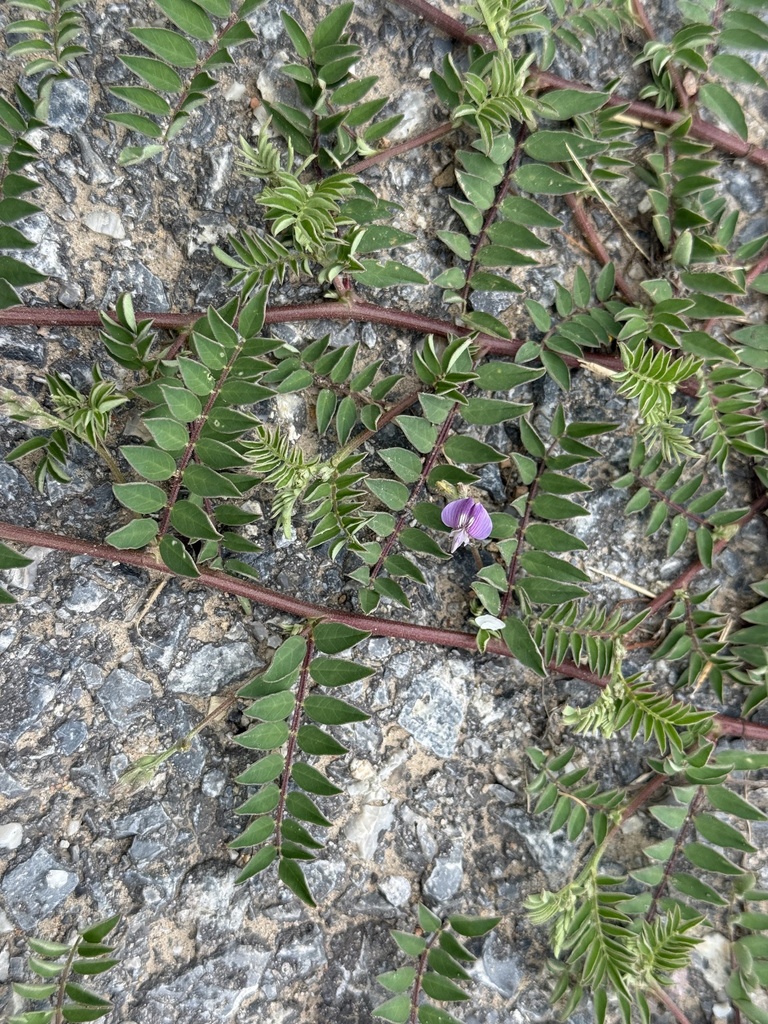
Astragalus complanatus
Traditionally attributed effects: strengthens kidney yang, holds in the essence and strengthens the eyesight.
 Caution
Asia · Herb · № 542
Psoralea corylifolia
Traditionally attributed effects: laxative, expels worms, diuretic, induces sweating, antibacterial; for leprosy and leucoderma (vitiligo) internally and externally, bile complaints.
 Caution
Asia · Herb · № 526
Mimusops elengi
Traditionally attributed effects: expels worms, antihistamine, astringent, aromatic, strengthens the heart, tonic, fever-reducing; for catarrh of the bladder and urethra, fever, gum and tooth diseases, leucoderma, heart disease, snake bites, chronic dysentery.
 Caution
Asia · Herb · № 552
Sida cordifolia
Traditionally attributed effects: cooling, astringent, stomachic, tonic, fever-reducing, soothing, diuretic; contains an ephedrine-like substance.
 Caution
North America · Herb · № 574
Populus balsamifera
Traditionally attributed effects: buds: stimulating, tonic, diuretic, soothing, expectorant; bark: expectorant, laxative; for skin problems (eczema, psoriasis), dry cough, constipation, kidney/bladder support, rheumatism and gout.
 Caution
Asia · Herb · № 431
Barleria prionitis
Traditionally attributed effects: cleansing, diuretic, tonic, fever-reducing; catarrh in children, prevents cracked feet, bleeding gums, toothache, ear infection, oedema, whooping cough, snake bites.
 Caution
Europe · Herb · № 276
Arctostaphylos uva-ursi
Traditionally attributed effects: urinary antiseptic, astringent.
 Caution
Asia · Herb · № 419
Areca catechu
Traditionally attributed effects: stimulating, astringent, expels tapeworm, laxative, carminative, aphrodisiac; against roundworms and tapeworms, strengthens the gums, for urinary complaints, heartburn during pregnancy, lumbago.
 Caution
Europe · Herb · № 513
Hyoscyamus niger
Traditionally attributed effects: intoxicating, narcotic, pain-relieving, calming, antispasmodic, dilates the pupils.
 Caution
North America · Herb · № 281
Iris versicolor
Traditionally attributed effects: anti-inflammatory, diuretic, stimulating, laxative.
 Caution
North America · Herb · № 280
Caulophyllum thalictroides
Traditionally attributed effects: tonic, antispasmodic, anti-inflammatory, stimulates the uterus, diuretic, antirheumatic.
 Caution
Asia · Herb · № 439
Blepharis edulis
Traditionally attributed effects: resolvent, diuretic, aphrodisiac, expectorant; for impotence, blood, chest, lung and liver diseases; leaves for fever, urinary discharge, leucoderma; root regulates menstruation.
 Caution
Asia · Herb · № 440
Blumea lacera
Traditionally attributed effects: astringent, stomachic, antispasmodic, promotes menstruation, diuretic; for purulent eye discharge, worms, catarrh.
 Caution
South America · Herb · № 282
Peumus boldus
Traditionally attributed effects: stimulates the liver, diuretic.
 Caution
North America · Herb · № 306
Hydrangea arborescens
Traditionally attributed effects: diuretic, laxative, stimulates the kidneys.
 Caution
Asia · Herb · № 353
Bacopa monnieri
Traditionally attributed effects: strengthens the heart and nerves, diuretic, mildly laxative, calming; for urinary retention with constipation, acute bronchitis and cough in children, exhaustion and nervous breakdown, hysteria, epilepsy, hoarseness.
 Caution
Europe · Herb · № 283
Cytisus scoparius
Traditionally attributed effects: diuretic, laxative, raises blood pressure, stimulates the uterus.
CautionAfrica · Herb · № 26
Agathosma betulina
Fragrant leaves used as a flavoring and in folk medicine; clinical evidence for treatment is lacking.
 Caution
North America · Herb · № 630
Scrophularia californica, S. lanceolata
Traditionally attributed effects: cools heat in the blood and nourishes yin, drains damp heat and disperses swellings.
 Caution
North America · Herb · № 582
Solidago canadensis
Traditionally attributed effects: astringent, antiseptic, anti-inflammatory, wound-healing; heals the bladder wall (incontinence, irritation), for allergies and stuck mucus after a cold, eyewash for hay fever.
 Caution
Asia · Herb · № 766
Rosa laevigata
Traditionally attributed effects: holds in the essence and curbs diarrhoea and frequent urination.
 Caution
Asia · Herb · № 641
Cuscuta chinensis
Traditionally attributed effects: a remedy for male infertility and urinary complaints; a tonic that strengthens bones and tendons, soothes lower back pain and balances the female reproductive system.
 Caution
Asia · Herb · № 643
Rubus chingii
Traditionally attributed effects: strengthens kidneys and liver; for poor vision, frequent urination and impotence.
 Caution
Asia · Herb · № 679
Gentiana scabra
Traditionally attributed effects: drains damp heat and fire from liver and gallbladder.
 Caution
Asia · Herb · № 708
Lobelia chinensis
Traditionally attributed effects: diuretic and detoxifying in oedema, inflamed ulcers and snakebites.

Featured · Central America and the Caribbean · Curanderismo
Salvia divinorum
A sage with large leaves containing salvinorin A, a very potent substance acting on the kappa opioid receptor. Brings short-lived, often intense changes in perception and the feeling of leaving the body.
Read moreFrom plant to use
Discover more
43 traditions
How communities built up and passed on their knowledge of plants, region by region.
113 recipes
Soups, teas and dishes in which herbs play a leading role.
146 formulas
The classical Chinese formulas, also listed by condition.