 Caution
Asia · Herb · № 36
Asian ginseng
Panax ginseng (ook P. quinquefolius)
Research consists mostly of small, short studies; there is little evidence of health effects.
Chinese medical traditions+3
From Ayurveda to Rongoā Māori
Communities around the world learned how plants nourish, care and heal. Here their traditions stand beside present-day use, with respect for every culture.
 GrapeFolk magic and herbal magic
 BuchuLocal African healing traditions
 Indian tobaccoCherokee medicine
 Lignum vitaeHerbal knowledge of the Caribbean
 Yerba mateKallawaya healing knowledgeCaution
Asia · Herb · № 36
Panax ginseng (ook P. quinquefolius)
Research consists mostly of small, short studies; there is little evidence of health effects.
 Caution
Asia · Herb · № 322
Cornus officinalis
Traditionally attributed effects: tonic, diuretic, lowers blood pressure, antimicrobial.
 Caution
Asia · Herb · № 348
Centella asiatica
Traditionally attributed effects: cleansing, tonic, diuretic, locally stimulating, calming; for chronic ulcers, eczema, psoriasis, leprosy, epilepsy, insanity, swollen glands, abscesses, chronic rheumatism, diarrhoea in children.
 Caution
Asia · Food · № 272
Prunus armeniaca
Traditionally attributed effects: cough-suppressing, astringent, antibacterial, pain-relieving, diuretic, anti-inflammatory; wild cherry suppresses cough.
 Caution
Asia · Herb · № 303
Achyranthes bidentata
Traditionally attributed effects: promotes circulation, liver tonic, pain-relieving.
 Caution
Asia · Mineral · № 793
Actinolitum
Traditionally attributed effects: was used to strengthen kidney yang; actinolite is a form of asbestos.
 Caution
Asia · Herb · № 418
Aquilaria agallocha
Traditionally attributed effects: stimulating, strengthens the heart, tonic, carminative, promotes bile; for skin diseases, gout and rheumatism, vomiting, snake bites, pain from wounds, bronchitis in children, headache, dizziness.
 Caution
Asia · Herb · № 540
Premna obtusifolia
Traditionally attributed effects: strengthens the heart, stomachic, carminative, cleansing, tonic, anti-inflammatory, lowers blood sugar; for swellings, pain and diabetes; part of 'dashamula'.
 Caution
Asia · Herb · № 340
Trachyspermum ammi
Traditionally attributed effects: stimulating, carminative, tonic, aromatic, antispasmodic, antiseptic; for flatulence, indigestion, colic, diarrhoea, cholera, intestinal cramps; source of thymol; against worms.
 Caution
Asia · Herb · № 705
Akebia trifoliata (en A. quinata)
Traditionally attributed effects: drains heat via the urine in painful urination, mouth ulcers and restlessness; promotes milk flow.
 Caution
Asia · Herb · № 739
Imperata cylindrica
Traditionally attributed effects: cools the blood and stops bleeding; promotes urination and cools lung and stomach.
 Caution
Asia · Herb · № 405
Alangium salviifolium
Traditionally attributed effects: expels worms, laxative, emetic, diuretic; antidote in poisoning, for diarrhoea, leprosy and skin diseases, dog bites, worms, acute rheumatism.
 Caution
Europe · Herb · № 79
Inula helenium
The root is traditionally used for productive coughs and bronchitis; it is rich in inulin. Clinical evidence is limited.
 Caution
Asia · Herb · № 376
Medicago sativa
Traditionally attributed effects: calming and moisture-restoring for dry skin.
 Caution
Asia · Herb · № 754
Alpinia oxyphylla
Traditionally attributed effects: strengthens kidney yang and holds in urine and semen; warms the spleen in diarrhoea and drooling.
 Caution
Asia · Mineral · № 780
Alumen (kaliumaluminiumsulfaat)
Traditionally attributed effects: externally astringent and anti-itch; stanches bleeding.
 Caution
Asia · Food · № 223
Prunus dulcis
Traditionally attributed effects: sweet almond soothing, stimulating, nourishing, strengthens the nerves; bitter almond soothing, laxative, calming in cough.
 Caution
Asia · Herb · № 743
Liquidambar formosana
Traditionally attributed effects: lets qi and blood flow and opens the meridians.
 Caution
Asia · Herb · № 349
Phyllanthus emblica
Traditionally attributed effects: fresh fruit cooling, diuretic, laxative, stomachic; bark astringent; for lung and eye inflammation, hair growth, asthma, bronchitis, bile complaints, bleeding, diarrhoea, dysentery, anaemia, jaundice.
 Caution
Asia · Herb · № 678
Phellodendron amurense
Traditionally attributed effects: drains damp heat from the lower body and cools heat from kidney yin deficiency.
 Caution
Asia · Herb · № 414
Andrographis paniculata
Traditionally attributed effects: stomachic, tonic, fever-reducing, cleansing, expels worms, promotes bile; for flatulence, lack of appetite, intestinal complaints in children, diarrhoea, dysentery, sluggish liver, nerve pain, recovery after fever.
 Caution
Asia · Herb · № 670
Anemarrhena asphodeloides
Traditionally attributed effects: cools heat in lungs and stomach and nourishes yin in fever, thirst and night sweats.
 Caution
Asia · Herb · № 228
Pimpinella anisum
Traditionally attributed effects: gives a natural lip-plumping effect.
 Caution
Europe · Food · № 84
Malus domestica
A fruit rich in fibre such as pectin; grated apple is an old home remedy for mild diarrhoea. No specific medicinal effect has been proven.
 Caution
Asia · Herb · № 562
Terminalia arjuna
Traditionally attributed effects: strengthens the heart, astringent, dissolves stones, diuretic; for heart disease (angina, heart failure, pericarditis), high blood pressure, bleeding, diarrhoea, dysentery, sprue, bile complaints, oedema, cirrhosis of the liver; antidote.
 Caution
Asia · Herb · № 569
Vernonia cinerea
Traditionally attributed effects: fever-reducing, induces sweating, cleansing; decoction promotes sweating in fever; seeds antidote, expel worms, for leprosy and chronic skin diseases; plant for bladder cramps, difficult urination, haemorrhoids; flowers for conjunctivitis.
 Caution
Asia · Herb · № 550
Saraca indica
Traditionally attributed effects: strongly astringent, calms the uterus; for uterine disorders, especially heavy menstruation, internal bleeding, haemorrhoids, bloody dysentery; root aphrodisiac and tonic, for cough, asthma, rheumatism, skin diseases, indigestion.
 Caution
Asia · Herb · № 17
Withania somnifera
An Ayurvedic medicinal plant. Some preparations have been studied for stress and sleep, but evidence is limited and products vary.
 Caution
Europe · Food · № 65
Asparagus officinalis en A. racemosus
A nutritious vegetable; root and shoots were traditionally used as a diuretic. There is no good evidence for a medicinal effect.
 Caution
Asia · Herb · № 149
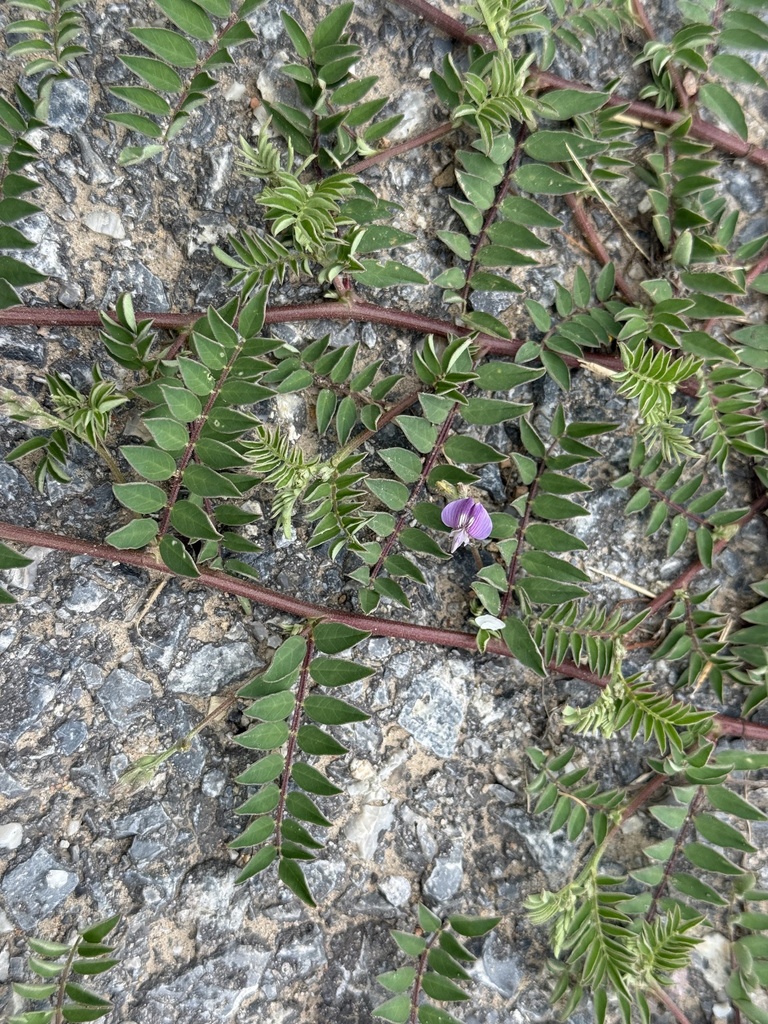
Astragalus membranaceus
In Chinese medicine an important strengthening herb ('qi tonic') for fatigue, catching colds easily and sweating. NCCIH notes there is little reliable human research.
 Caution
Asia · Herb · № 757
Astragalus complanatus
Traditionally attributed effects: strengthens kidney yang, holds in the essence and strengthens the eyesight.
 Caution
Asia · Herb · № 401
Aconitum heterophyllum
Traditionally attributed effects: bitter tonic, astringent, fever-reducing, stomachic, aphrodisiac; for weakness after fever, diarrhoea, dysentery, cough, indigestion; in children against cough, colds, fever and vomiting.
 Caution
Asia · Herb · № 542
Psoralea corylifolia
Traditionally attributed effects: laxative, expels worms, diuretic, induces sweating, antibacterial; for leprosy and leucoderma (vitiligo) internally and externally, bile complaints.
 Caution
Asia · Herb · № 404
Aegle marmelos
Traditionally attributed effects: ripe fruit cooling, nourishing, mildly laxative; unripe fruit astringent and aids digestion; for chronic diarrhoea and dysentery, asthma (leaves), intermittent fever, melancholy and palpitations.
 Caution
Asia · Herb · № 677
Scutellaria baicalensis
Traditionally attributed effects: cools and dries damp heat, especially in the lungs and upper body; calms a restless foetus from heat.
 Caution
Asia · Herb · № 526
Mimusops elengi
Traditionally attributed effects: expels worms, antihistamine, astringent, aromatic, strengthens the heart, tonic, fever-reducing; for catarrh of the bladder and urethra, fever, gum and tooth diseases, leucoderma, heart disease, snake bites, chronic dysentery.

Featured · Central America and the Caribbean · Curanderismo
Salvia divinorum
A sage with large leaves containing salvinorin A, a very potent substance acting on the kappa opioid receptor. Brings short-lived, often intense changes in perception and the feeling of leaving the body.
Read moreFrom plant to use
Discover more
43 traditions
How communities built up and passed on their knowledge of plants, region by region.
113 recipes
Soups, teas and dishes in which herbs play a leading role.
146 formulas
The classical Chinese formulas, also listed by condition.