 Caution
Asia · Herb · № 757
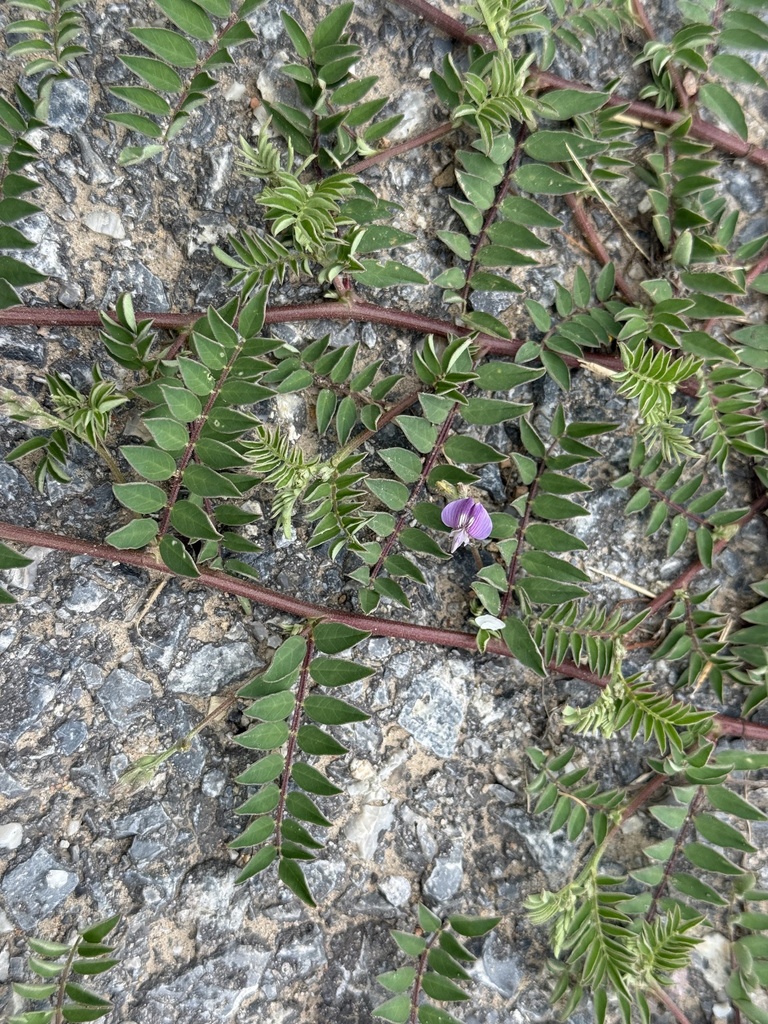
Flattened milkvetch seed (sha yuan zi)
Astragalus complanatus
Traditionally attributed effects: strengthens kidney yang, holds in the essence and strengthens the eyesight.
Chinese medical traditions
From Ayurveda to Rongoā Māori
Communities around the world learned how plants nourish, care and heal. Here their traditions stand beside present-day use, with respect for every culture.
 GrapeFolk magic and herbal magic
 BuchuLocal African healing traditions
 Indian tobaccoCherokee medicine
 Lignum vitaeHerbal knowledge of the Caribbean
 Yerba mateKallawaya healing knowledgeCaution
Asia · Herb · № 757
Astragalus complanatus
Traditionally attributed effects: strengthens kidney yang, holds in the essence and strengthens the eyesight.
 Caution
North America · Herb · № 939
Uvularia perfoliata
A low plant with hanging, pale yellow bells and leaves that clasp the stem. Little is known about its compounds.
 Caution
Europe · Food · № 101
Vaccinium myrtillus en V. vitis-idaea
Rich in anthocyanins. Dried berries are an old remedy for diarrhoea. NCCIH reports there is not enough evidence for eye, blood-vessel or other claims.
 Caution
Asia · Herb · № 440
Blumea lacera
Traditionally attributed effects: astringent, stomachic, antispasmodic, promotes menstruation, diuretic; for purulent eye discharge, worms, catarrh.
 Caution
Asia · Herb · № 681
Fraxinus chinensis subsp. rhynchophylla
Traditionally attributed effects: for diarrhoea and dysentery from damp heat, red eyes and cough with heat.
 Caution
Asia · Herb · № 643
Rubus chingii
Traditionally attributed effects: strengthens kidneys and liver; for poor vision, frequent urination and impotence.
 Caution
Asia · Herb · № 679
Gentiana scabra
Traditionally attributed effects: drains damp heat and fire from liver and gallbladder.
 Caution
Asia · Herb · № 124
Chrysanthemum × morifolium
The flowers (ju hua) are used in Chinese medicine as a 'cooling' remedy for colds with fever, headaches and tired, red eyes. Clinical evidence is limited.
 Caution
Asia · Herb · № 761
Dendrobium nobile (en verwante soorten)
Traditionally attributed effects: nourishes the yin of lung and stomach, replenishes body fluids and cools heat from deficiency.
 Caution
Asia · Food · № 637
Lycium barbarum, L. chinense
Traditionally attributed effects: sweet tonic that according to tradition strengthens the yang energy, strength and stamina and supports the hormone system.
 Caution
Europe · Herb · № 591
Lythrum salicaria
Traditionally attributed effects: cleansing, antibiotic, antispasmodic, diuretic, induces sweating, tonic, soothing; for dysentery and bacterial diarrhoea, inflammatory bowel disease (Crohn's), strengthens kidneys and bladder, for the eyes.
 Caution
Asia · Herb · № 436
Berberis aristata
Traditionally attributed effects: tonic, stomachic, astringent, antipyretic, induces sweating, cleansing; for malaria and intermittent fever (comparable to quinine), washing ulcers, eye diseases, haemorrhoids, swollen glands; laxative for children.
 Caution
Asia · Herb · № 417
Anthocephalus indicus
Traditionally attributed effects: bark tonic, fever-reducing, astringent; fruit cooling; for fever, mouth ulcers and stomatitis, eye inflammation, stomach irritation in children, snake bites.
 Caution
South America · Herb · № 1004
Cantua buxifolia
A much-branched shrub of 2 to 3 metres with clusters of tubular flowers in red, pink, yellow or white, pollinated by hummingbirds and bees. Little is known about its effect in people.
 Caution
Asia · Herb · № 529
Nerium indicum
Traditionally attributed effects: strongly diuretic and strengthens the heart (like digitalis), abortifacient.
 Caution
North America · Herb · № 326
Mitchella repens
Traditionally attributed effects: stimulates the uterus, tonic, restorative, astringent, diuretic.
 Caution
Asia · Herb · № 666
Equisetum hyemale
Traditionally attributed effects: expels wind-heat around the eyes, stops bleeding and is diuretic.
 Caution
Asia · Herb · № 664
Vitex rotundifolia (syn. V. trifolia)
Traditionally attributed effects: expels wind-heat in headache and eye pain, and relieves cramps and heaviness in the limbs.
 Caution
Asia · Herb · № 672
Buddleja officinalis
Traditionally attributed effects: cools liver heat in red, swollen, watery and light-sensitive eyes.
 Caution
North America · Herb · № 952
Aralia nudicaulis
A low plant of the ivy family with a long, creeping, aromatic root; related to ginseng and no relative of true sarsaparilla (Smilax).
 Caution
Asia · Herb · № 648
Celosia argentea
Traditionally attributed effects: cools the liver, reduces liver inflammation and helps with high blood pressure and the eye complaints related to it.
 Caution
Asia · Herb · № 728
Atractylodes lancea
Traditionally attributed effects: dries dampness and strengthens the spleen; expels wind, cold and dampness.
 Caution
South America · Food · № 262
Solanum tuberosum
A starchy tuber and one of the most important food crops in the world. In folk use raw slices or grated potato are laid on burns, swollen eyes and for headaches; this has not been studied.
 Caution
Europe · Herb · № 523
Mentha arvensis
Traditionally attributed effects: aromatic, carminative, stimulating, antispasmodic, promotes menstruation, antiseptic, stomachic, cooling, diuretic; leaf juice for diarrhoea and dysentery, tea for rheumatism and indigestion.
 Caution
Africa · Herb · № 4
Aloe vera
The gel from the leaf is used externally to soothe the skin and for minor burns. Research on wound healing gives mixed results; the gel is no substitute for wound care.
 Caution
North America · Herb · № 160
Panax quinquefolius
Chinese medicine regards it as more 'cooling' than Asian ginseng and uses it for fatigue and thirst. Some studies find a slight effect on post-meal blood sugar and colds; evidence is limited.
 Caution
North America · Herb · № 628
Asarum caudatum, A. canadense en verwante soorten
Traditionally attributed effects: expels wind-cold, opens a blocked nose, warms the lung in cough with clear phlegm and expels cold and dampness in menstrual pain and other pain.
 Caution
North America · Herb · № 1001
Platanus occidentalis
One of the largest broadleaf trees of eastern America, with a trunk that peels in patches of white, green and brown. The bark contains tannins and betulinic acid. It is a parent of the London plane of European streets.
 Caution
Central America and the Caribbean · Herb · № 161
Capsicum frutescens
Capsaicin from chilli peppers is used externally for nerve pain and joint pain; high-dose capsaicin patches are an approved medicine. Internally it is mainly a warming spice.
 Caution
Asia · Herb · № 684
Viola yedoensis (syn. V. philippica)
Traditionally attributed effects: cools heat and 'toxin' in abscesses, boils, sore throat and inflamed eyes.
 Caution
Asia · Herb · № 641
Cuscuta chinensis
Traditionally attributed effects: a remedy for male infertility and urinary complaints; a tonic that strengthens bones and tendons, soothes lower back pain and balances the female reproductive system.
Asia · Herb · № 304
Coptis chinensis
Traditionally attributed effects: promotes bile, antibacterial, pain-relieving, calming, anti-inflammatory.
 Caution
North America · Herb · № 948
Coptis trifolia
A small evergreen herb with golden-yellow thread-like roots. These contain berberine, a bitter compound that inhibits bacteria in laboratory tests; related to Chinese goldthread (huang lian).
 Caution
Europe · Herb · № 56
Achillea millefolium
Traditionally used to stop bleeding from minor wounds, for fevers and colds, and as a digestive bitter. Clinical evidence is limited.
 Caution
Oceania · Food · № 177
Grewia retusifolia
The small fruits are edible; the name dysentery bush refers to its traditional use for diarrhoea. There is no clinical research.
 Caution
Asia · Herb · № 200
Gardenia jasminoides
Traditionally attributed effects: fever-reducing, calming, lowers blood pressure, antibacterial, promotes bile.

Featured · Central America and the Caribbean · Curanderismo
Salvia divinorum
A sage with large leaves containing salvinorin A, a very potent substance acting on the kappa opioid receptor. Brings short-lived, often intense changes in perception and the feeling of leaving the body.
Read moreFrom plant to use
Discover more
43 traditions
How communities built up and passed on their knowledge of plants, region by region.
113 recipes
Soups, teas and dishes in which herbs play a leading role.
146 formulas
The classical Chinese formulas, also listed by condition.