Skip to content
Herbs & Cultures

From Ayurveda to Rongoā Māori

Herbal knowledge and the cultures that passed it on

Communities around the world learned how plants nourish, care and heal. Here their traditions stand beside present-day use, with respect for every culture.

All 980 herbs from 43 traditions

Search by concern or tag

438 results

Also found

Treatment by condition
Headache and migraine
  • Caution

    Asia · Herb · № 569

    Little ironweed

    Vernonia cinerea

    Traditionally attributed effects: fever-reducing, induces sweating, cleansing; decoction promotes sweating in fever; seeds antidote, expel worms, for leprosy and chronic skin diseases; plant for bladder cramps, difficult urination, haemorrhoids; flowers for conjunctivitis.

    Ayurveda
  • Caution

    Asia · Herb · № 17

    Ashwagandha

    Withania somnifera

    An Ayurvedic medicinal plant. Some preparations have been studied for stress and sleep, but evidence is limited and products vary.

    Ayurveda+2
  • Caution

    Asia · Herb · № 757

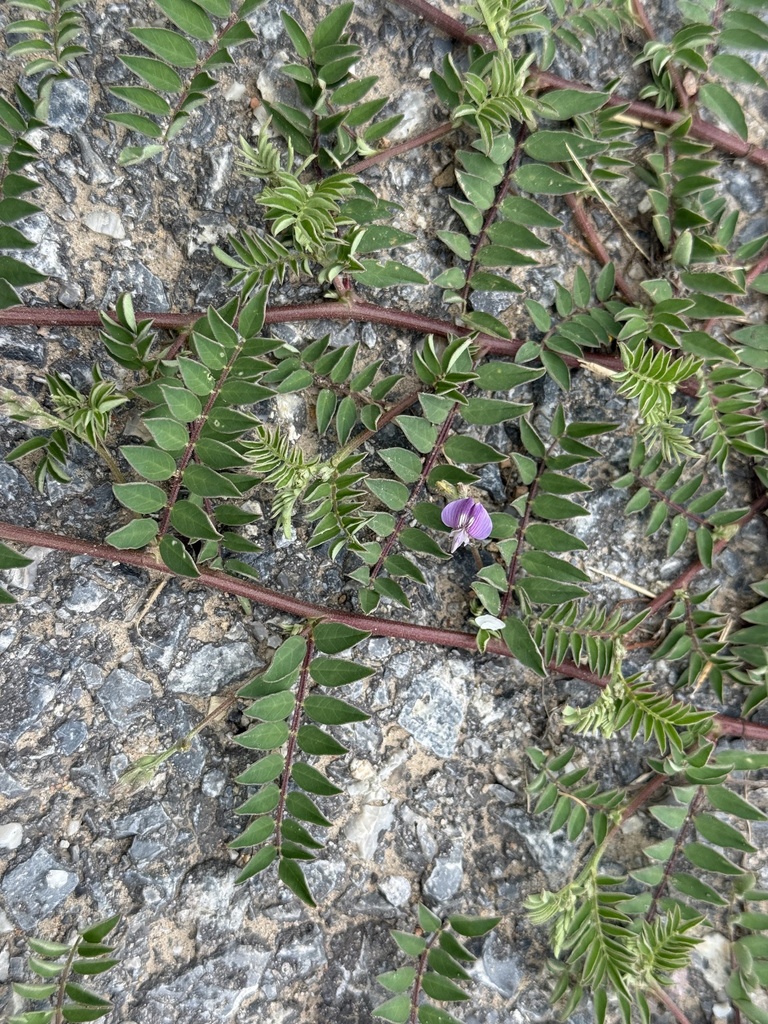
    Flattened milkvetch seed (sha yuan zi)

    Astragalus complanatus

    Traditionally attributed effects: strengthens kidney yang, holds in the essence and strengthens the eyesight.

    Chinese medical traditions
  • Caution

    Central America and the Caribbean · Food · № 166

    Avocado

    Persea americana

    A fruit rich in monounsaturated fats, fibre and potassium; it fits a diet that is favourable for cholesterol. Avocado oil is used in skin care.

    Maya healing knowledge+4Folklore
  • Caution

    South America · Herb · № 901

    Ayahuasca

    Banisteriopsis caapi

    A giant liana up to thirty metres long. The stem contains harmine, harmaline and tetrahydroharmine, which inhibit the enzyme MAO. This makes the DMT from plants such as chacruna active by mouth. The drink brings visions, and usually vomiting and diarrhoea, which the tradition regards as cleansing.

    Herbal knowledge of the Amazon+3
  • Caution

    South America · Herb · № 492

    Ayapana

    Eupatorium triplinerve

    Traditionally attributed effects: stimulating, tonic, stimulates the heart, induces sweating, stops bleeding; bitter tonic for indigestion, cough and fever, against scurvy; cleanses foul ulcers.

    Herbal knowledge of the Amazon+1
  • Caution

    Africa · Herb · № 398

    Babul tree

    Acacia nilotica

    Traditionally attributed effects: astringent, soothing, aphrodisiac, nourishing, expectorant; for cough, diarrhoea and dysentery, sore throat and spongy gums, wounds and skin diseases, gonorrhoea, leucorrhoea, prolapse of anus and uterus.

    Ancient Egyptian medicine+3
  • Caution

    Asia · Herb · № 404

    Bael fruit

    Aegle marmelos

    Traditionally attributed effects: ripe fruit cooling, nourishing, mildly laxative; unripe fruit astringent and aids digestion; for chronic diarrhoea and dysentery, asthma (leaves), intermittent fever, melancholy and palpitations.

    Ayurveda+1
  • Caution

    South America · Herb · № 869

    Bailahuén

    Haplopappus baylahuen

    A resinous shrub of the daisy family. A well-known Chilean tea for liver and bowel complaints; an effect has not been proven.

    Mapuche medicine
  • Caution

    Asia · Herb · № 526

    Spanish cherry

    Mimusops elengi

    Traditionally attributed effects: expels worms, antihistamine, astringent, aromatic, strengthens the heart, tonic, fever-reducing; for catarrh of the bladder and urethra, fever, gum and tooth diseases, leucoderma, heart disease, snake bites, chronic dysentery.

    Ayurveda
  • Caution

    North America · Herb · № 574

    Balsam poplar

    Populus balsamifera

    Traditionally attributed effects: buds: stimulating, tonic, diuretic, soothing, expectorant; bark: expectorant, laxative; for skin problems (eczema, psoriasis), dry cough, constipation, kidney/bladder support, rheumatism and gout.

    Indigenous healing traditions of North America+3
  • Caution

    Asia · Herb · № 134

    Bamboo

    Phyllostachys nigra

    In Chinese medicine bamboo shavings (zhu ru) and bamboo sap are used for coughs with yellow phlegm, nausea and restlessness. Ayurveda uses silica-rich bamboo manna. Clinical research is scarce.

    Ayurveda+2
  • Caution

    Asia · Food · № 247

    Banana

    Musa spp.

    A fruit rich in starch and potassium. Ripe banana is easily digestible and belongs to the old BRAT diet after diarrhoea; green bananas contain resistant starch.

    Ayurveda+2Folklore
  • Caution

    Asia · Herb · № 496

    Banyan

    Ficus benghalensis

    Traditionally attributed effects: antiseptic, aphrodisiac, astringent, cooling, stops bleeding, lowers blood sugar; leaves for diarrhoea and dysentery; milky sap externally for pain, bruises, ulcers, rheumatism, lumbago; bark for diabetes, gonorrhoea.

    Ayurveda
  • Caution

    Africa · Other · № 386

    Baobab

    Adansonia digitata

    The dry fruit pulp is sour and rich in vitamin C and fibre; oil from the seeds is used for skin and hair. Medical claims have not been studied.

    Local African healing traditions
  • Caution

    Asia · Herb · № 431

    Porcupine flower

    Barleria prionitis

    Traditionally attributed effects: cleansing, diuretic, tonic, fever-reducing; catarrh in children, prevents cracked feet, bleeding gums, toothache, ear infection, oedema, whooping cough, snake bites.

    Ayurveda
  • Caution

    Africa · Herb · № 8

    Basil

    Ocimum basilicum

    Traditionally used as an aromatic food plant and in herbal preparations.

    Western herbal medicine+1Folklore
  • Caution

    Asia · Herb · № 293

    Pubescent angelica (du huo)

    Angelica pubescens

    Traditionally attributed effects: antirheumatic, pain-relieving, anti-inflammatory.

    Chinese medical traditions+2
  • Caution

    North America · Herb · № 939

    Perfoliate bellwort

    Uvularia perfoliata

    A low plant with hanging, pale yellow bells and leaves that clasp the stem. Little is known about its compounds.

    Haudenosaunee medicine
  • Caution

    North America · Herb · № 950

    Spicebush

    Lindera benzoin

    A shrub of the laurel family with fragrant leaves and twigs and red berries.

    Haudenosaunee medicine+1
  • Caution

    Europe · Herb · № 276

    Bearberry

    Arctostaphylos uva-ursi

    Traditionally attributed effects: urinary antiseptic, astringent.

    Western herbal medicine
  • Caution

    North America · Herb · № 224

    Bee balm

    Monarda didyma

    The fragrant leaf contains thymol and is drunk as tea. Indigenous peoples used it for colds, fever and headache; studies in humans are lacking.

    Indigenous healing traditions of North America+2
  • Caution

    Europe · Herb · № 186

    Birch

    Betula pendula

    Traditionally attributed effects: bitter, astringent, antirheumatic.

    Western herbal medicine+1Folklore
  • Caution

    Europe · Herb · № 67

    Borage

    Borago officinalis

    The seed oil, rich in gamma-linolenic acid, has been studied for eczema and joint inflammation with mixed results. The leaf was traditionally used to reduce fever and as a tonic.

    Western herbal medicine+2
  • Caution

    Asia · Herb · № 831

    Betel leaf (sirih)

    Piper betle

    An aromatic leaf used in jamu for the mouth and for women's intimate hygiene.

    Ayurveda+1
  • Caution

    Europe · Herb · № 93

    Betony

    Betonica officinalis (syn. Stachys officinalis)

    Traditionally used for tension headaches and nervousness. Modern clinical research is lacking.

    Greco-Roman medicine+3
  • Caution

    Asia · Herb · № 465

    Bhant

    Clerodendrum infortunatum

    Traditionally attributed effects: bitter tonic, antipyretic, expels worms, laxative, promotes bile; externally for tumours and skin diseases, root for sluggish bowels.

    Ayurveda
  • Caution

    Asia · Herb · № 354

    Bhringraj

    Eclipta prostrata

    Traditionally attributed effects: strengthens the liver, decongestant, tonic, cleansing, antiviral; for enlarged liver and spleen, skin diseases, fever, oedema, rheumatism; hair oil for black and full hair; for swollen glands, elephantiasis, headache and toothache.

    Ayurveda+1
  • Caution

    Europe · Herb · № 64

    Mugwort

    Artemisia vulgaris

    Traditionally used as a digestive bitter and to bring on delayed periods. Clinical evidence is largely lacking.

    Anglo-Saxon medicine+4Folklore
  • Caution

    South America · Herb · № 889

    Bilyea

    Grimolobium pubescens (syn. Otholobium pubescens, Psoralea pubescens)

    A shrub of the pea family with leaves in threes. It contains bakuchiol, among other compounds; extracts lowered blood sugar in experiments with mice. Studies in people are lacking.

    Kallawaya healing knowledge
  • Caution

    North America · Food · № 254

    Blueberry

    Vaccinium spp.

    A fibre-rich berry with plenty of anthocyanins. Observational research links eating berries to a healthy diet; a medicinal effect has not been shown.

    Indigenous healing traditions of North America+1Folklore
  • Caution

    Europe · Food · № 101

    Bilberry

    Vaccinium myrtillus en V. vitis-idaea

    Rich in anthocyanins. Dried berries are an old remedy for diarrhoea. NCCIH reports there is not enough evidence for eye, blood-vessel or other claims.

    Western herbal medicine
  • Caution

    Asia · Herb · № 439

    Blepharis

    Blepharis edulis

    Traditionally attributed effects: resolvent, diuretic, aphrodisiac, expectorant; for impotence, blood, chest, lung and liver diseases; leaves for fever, urinary discharge, leucoderma; root regulates menstruation.

    Ayurveda+1
  • Caution

    Asia · Herb · № 440

    Blumea

    Blumea lacera

    Traditionally attributed effects: astringent, stomachic, antispasmodic, promotes menstruation, diuretic; for purulent eye discharge, worms, catarrh.

    Ayurveda
  • Caution

    Asia · Food · № 284

    Buckwheat

    Fagopyrum esculentum

    Traditionally attributed effects: lowers blood pressure, vasodilating, restores the vessel walls.

    Chinese medical traditions+1
  • Caution

    South America · Herb · № 282

    Boldo

    Peumus boldus

    Traditionally attributed effects: stimulates the liver, diuretic.

    Kallawaya healing knowledge+2
Image of Salvia divinorum

Featured · Central America and the Caribbean · Curanderismo

Salvia divinorum

A sage with large leaves containing salvinorin A, a very potent substance acting on the kappa opioid receptor. Brings short-lived, often intense changes in perception and the feeling of leaving the body.

Read more

From plant to use

Ways to prepare herbs

All preparations →

Discover more

Traditions, kitchen and classical formulas