 Caution
Central America and the Caribbean · Food · № 818
Annatto (achiote)
Bixa orellana
The red seeds are used as a colouring and spice; traditionally also as a remedy.
Maya healing knowledge+4
From Ayurveda to Rongoā Māori
Communities around the world learned how plants nourish, care and heal. Here their traditions stand beside present-day use, with respect for every culture.
 GrapeFolk magic and herbal magic
 BuchuLocal African healing traditions
 Indian tobaccoCherokee medicine
 Lignum vitaeHerbal knowledge of the Caribbean
 Yerba mateKallawaya healing knowledgeCaution
Central America and the Caribbean · Food · № 818
Bixa orellana
The red seeds are used as a colouring and spice; traditionally also as a remedy.
 Caution
Asia · Herb · № 340
Trachyspermum ammi
Traditionally attributed effects: stimulating, carminative, tonic, aromatic, antispasmodic, antiseptic; for flatulence, indigestion, colic, diarrhoea, cholera, intestinal cramps; source of thymol; against worms.
 Caution
Asia · Herb · № 754
Alpinia oxyphylla
Traditionally attributed effects: strengthens kidney yang and holds in urine and semen; warms the spleen in diarrhoea and drooling.
 Caution
Central America and the Caribbean · Herb · № 374
Amaranthus spp.
Traditionally attributed effects: flowers, leaf and root strongly antiseptic; wound healing.
 Caution
Asia · Herb · № 678
Phellodendron amurense
Traditionally attributed effects: drains damp heat from the lower body and cools heat from kidney yin deficiency.
 Caution
Asia · Herb · № 670
Anemarrhena asphodeloides
Traditionally attributed effects: cools heat in lungs and stomach and nourishes yin in fever, thirst and night sweats.
 Caution
Africa · Herb · № 450
Calotropis procera
Traditionally attributed effects: root bark for dysentery and elephantiasis; leaves for intermittent fever; milky sap irritant and laxative; flowers for colds, cough, asthma and indigestion.
 Caution
Asia · Herb · № 569
Vernonia cinerea
Traditionally attributed effects: fever-reducing, induces sweating, cleansing; decoction promotes sweating in fever; seeds antidote, expel worms, for leprosy and chronic skin diseases; plant for bladder cramps, difficult urination, haemorrhoids; flowers for conjunctivitis.
 Caution
Asia · Herb · № 17
Withania somnifera
An Ayurvedic medicinal plant. Some preparations have been studied for stress and sleep, but evidence is limited and products vary.
 Caution
Asia · Herb · № 757
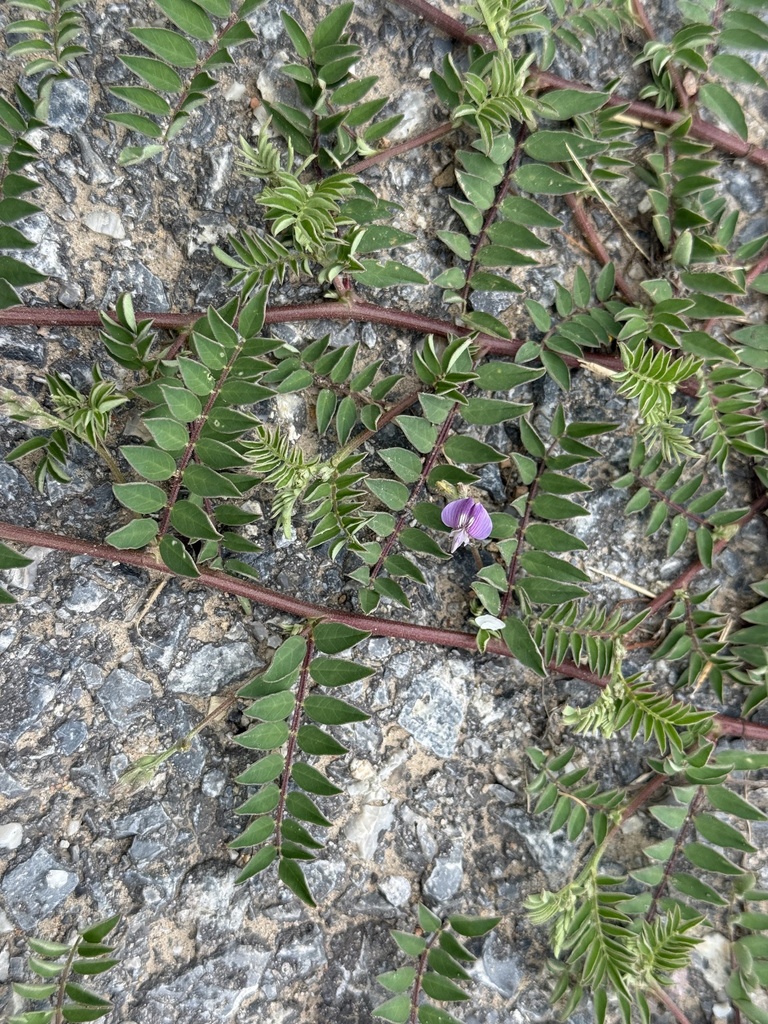
Astragalus complanatus
Traditionally attributed effects: strengthens kidney yang, holds in the essence and strengthens the eyesight.
 Caution
Asia · Herb · № 542
Psoralea corylifolia
Traditionally attributed effects: laxative, expels worms, diuretic, induces sweating, antibacterial; for leprosy and leucoderma (vitiligo) internally and externally, bile complaints.
 Caution
Africa · Herb · № 398
Acacia nilotica
Traditionally attributed effects: astringent, soothing, aphrodisiac, nourishing, expectorant; for cough, diarrhoea and dysentery, sore throat and spongy gums, wounds and skin diseases, gonorrhoea, leucorrhoea, prolapse of anus and uterus.
 Caution
Asia · Herb · № 552
Sida cordifolia
Traditionally attributed effects: cooling, astringent, stomachic, tonic, fever-reducing, soothing, diuretic; contains an ephedrine-like substance.
 Caution
Europe · Herb · № 67
Borago officinalis
The seed oil, rich in gamma-linolenic acid, has been studied for eczema and joint inflammation with mixed results. The leaf was traditionally used to reduce fever and as a tonic.
 Caution
Europe · Herb · № 278
Iberis amara
Traditionally attributed effects: antispasmodic, relaxing, strengthens the digestive tract, carminative; traditionally for gout and rheumatism.
 Caution
Africa · Food · № 814
Garcinia kola
A bitter seed that is chewed and offered as a sign of hospitality and at ceremonies; as a folk remedy also for coughs and sore throats.
 Caution
Asia · Herb · № 439
Blepharis edulis
Traditionally attributed effects: resolvent, diuretic, aphrodisiac, expectorant; for impotence, blood, chest, lung and liver diseases; leaves for fever, urinary discharge, leucoderma; root regulates menstruation.
 Caution
Asia · Herb · № 447
Caesalpinia crista
Traditionally attributed effects: antipyretic, antispasmodic, bitter tonic, expels worms, fever-reducing; for fever, intermittent fever, asthma, colic, swellings, bleeding, liver disorders, convulsions and nervous complaints.
 Caution
Europe · Food · № 48
Urtica dioica
A food and fiber plant with a long tradition in folk medicine. Medical claims are not established.
 Caution
North America · Herb · № 630
Scrophularia californica, S. lanceolata
Traditionally attributed effects: cools heat in the blood and nourishes yin, drains damp heat and disperses swellings.
 Caution
Central America and the Caribbean · Herb · № 161
Capsicum frutescens
Capsaicin from chilli peppers is used externally for nerve pain and joint pain; high-dose capsaicin patches are an approved medicine. Internally it is mainly a warming spice.
 Caution
Asia · Herb · № 766
Rosa laevigata
Traditionally attributed effects: holds in the essence and curbs diarrhoea and frequent urination.
 Caution
Asia · Herb · № 641
Cuscuta chinensis
Traditionally attributed effects: a remedy for male infertility and urinary complaints; a tonic that strengthens bones and tendons, soothes lower back pain and balances the female reproductive system.
 Caution
Asia · Herb · № 683
Pulsatilla chinensis
Traditionally attributed effects: for hot, bloody dysentery, amoebae and vaginal trichomonas.
 Caution
Asia · Herb · № 642
Asparagus cochinchinensis
Traditionally attributed effects: moistening; for recovery after illness or surgery, chronically dry skin and for the production of sex hormones.
 Caution
Asia · Herb · № 643
Rubus chingii
Traditionally attributed effects: strengthens kidneys and liver; for poor vision, frequent urination and impotence.
 Caution
Asia · Herb · № 729
Amomum villosum (en A. kravanh)
Traditionally attributed effects: warms the spleen, transforms dampness, calms a restless foetus and prevents tonics from lying heavy on the stomach.
 Caution
Asia · Food · № 635
Dioscorea polystachya (syn. D. opposita)
Traditionally attributed effects: strengthens spleen, stomach and lungs, helps regulate the hormone system in women and is said to lower blood sugar.
 Caution
Asia · Food · № 445
Buchanania lanzan
Traditionally attributed effects: soothing, cleansing, laxative, diuretic; seeds nutritious, gum for diarrhoea, ointment for itching and skin blemishes, oil for swollen neck glands, substitute for almond oil.
 Caution
Asia · Herb · № 760
Cistanche deserticola
Traditionally attributed effects: strengthens kidney yang, moistens the bowel and warms the uterus.
 Caution
Asia · Herb · № 777
Cnidium monnieri
Traditionally attributed effects: externally for itching and fungus around the genitals; internally a kidney yang tonic.
 Caution
Asia · Herb · № 474
Croton tiglium
Traditionally attributed effects: drastically laxative, irritant, skin-irritant; for stroke, insanity, convulsions, stubborn constipation, worms, ascites, oedema, colic, gout; wood in small doses induces sweating.
 Caution
Asia · Herb · № 759
Cynomorium songaricum
Traditionally attributed effects: strengthens kidney yang, nourishes the blood and moistens the bowel.
 CautionCaution
Europe · Food · № 245
Vitis vinifera
Traditionally attributed effects: soothing, laxative, cooling, stomachic, diuretic; for bilious indigestion, bleeding, painful urination, chronic bronchitis, heart disease, gout; juice for constipation in children.
 Caution
North America · Herb · № 966
Oplopanax horridus
An ivy-like shrub with large, hand-shaped leaves and spines over the whole stem and the leaf veins. Research into a blood-sugar-lowering effect is at an early stage.

Featured · Central America and the Caribbean · Curanderismo
Salvia divinorum
A sage with large leaves containing salvinorin A, a very potent substance acting on the kappa opioid receptor. Brings short-lived, often intense changes in perception and the feeling of leaving the body.
Read moreFrom plant to use
Discover more
43 traditions
How communities built up and passed on their knowledge of plants, region by region.
113 recipes
Soups, teas and dishes in which herbs play a leading role.
146 formulas
The classical Chinese formulas, also listed by condition.