 Caution
Europe · Other · № 74
Bladderwrack
Fucus vesiculosus
A brown seaweed rich in iodine; formerly used for an underactive thyroid and for weight loss. Weight-loss claims are unproven.
Western herbal medicine
From Ayurveda to Rongoā Māori
Communities around the world learned how plants nourish, care and heal. Here their traditions stand beside present-day use, with respect for every culture.
 GrapeFolk magic and herbal magic
 BuchuLocal African healing traditions
 Indian tobaccoCherokee medicine
 Lignum vitaeHerbal knowledge of the Caribbean
 Yerba mateKallawaya healing knowledgeCaution
Europe · Other · № 74
Fucus vesiculosus
A brown seaweed rich in iodine; formerly used for an underactive thyroid and for weight loss. Weight-loss claims are unproven.
 Caution
North America · Herb · № 940
Eutrochium purpureum en E. maculatum (syn. Eupatorium)
Tall, purple-pink flowering plants of the daisy family, related to European hemp agrimony. They may contain pyrrolizidine alkaloids, which damage the liver with long use.
 Caution
South America · Herb · № 870
Fabiana imbricata
A small shrub of the nightshade family that looks like a conifer. Traditionally for bladder and urinary complaints and for digestion; laboratory research points to a stomach-protecting effect.
 Caution
North America · Herb · № 946
Chimaphila umbellata
A low, evergreen dwarf shrub with leathery leaves and pink nodding flowers. Contains arbutin and related compounds, like bearberry.
 Caution
South America · Herb · № 888
Equisetum giganteum
A large horsetail, rich in silica. Traditionally used as a diuretic, like European field horsetail; good evidence is lacking.
 Caution
Africa · Herb · № 812
Hypoxis hemerocallidea
A corm widely traded as a tonic. The evidence for its effects is weak.
 Caution
Europe · Herb · № 57
Agrimonia eupatoria
An astringent, tannin-rich herb traditionally used for diarrhoea, sore throats and minor wounds. Good human research is lacking.
 Caution
Asia · Herb · № 705
Akebia trifoliata (en A. quinata)
Traditionally attributed effects: drains heat via the urine in painful urination, mouth ulcers and restlessness; promotes milk flow.
 Caution
Asia · Herb · № 739
Imperata cylindrica
Traditionally attributed effects: cools the blood and stops bleeding; promotes urination and cools lung and stomach.
 Caution
Asia · Herb · № 376
Medicago sativa
Traditionally attributed effects: calming and moisture-restoring for dry skin.
 Caution
North America · Herb · № 932
Tilia americana
A large broadleaf tree with heart-shaped leaves and fragrant flowers, related to the European lime. The flowers contain mucilage and flavonoids. The wood is soft and easy to carve; the inner bark gives strong fibre.
 Caution
North America · Herb · № 1001
Platanus occidentalis
One of the largest broadleaf trees of eastern America, with a trunk that peels in patches of white, green and brown. The bark contains tannins and betulinic acid. It is a parent of the London plane of European streets.
 Caution
Asia · Herb · № 678
Phellodendron amurense
Traditionally attributed effects: drains damp heat from the lower body and cools heat from kidney yin deficiency.
 Caution
Europe · Herb · № 197
Dianthus spp.
The clove pink has fragrant, edible petals. In Chinese medicine the related Dianthus superbus (qu mai) is used for bladder infections; no medicinal effect is described for the garden carnation.
 Caution
Europe · Food · № 296
Cynara cardunculus var. scolymus
Traditionally attributed effects: liver tonic and restorative, promotes bile.
 Caution
Asia · Herb · № 569
Vernonia cinerea
Traditionally attributed effects: fever-reducing, induces sweating, cleansing; decoction promotes sweating in fever; seeds antidote, expel worms, for leprosy and chronic skin diseases; plant for bladder cramps, difficult urination, haemorrhoids; flowers for conjunctivitis.
 Caution
Asia · Herb · № 757
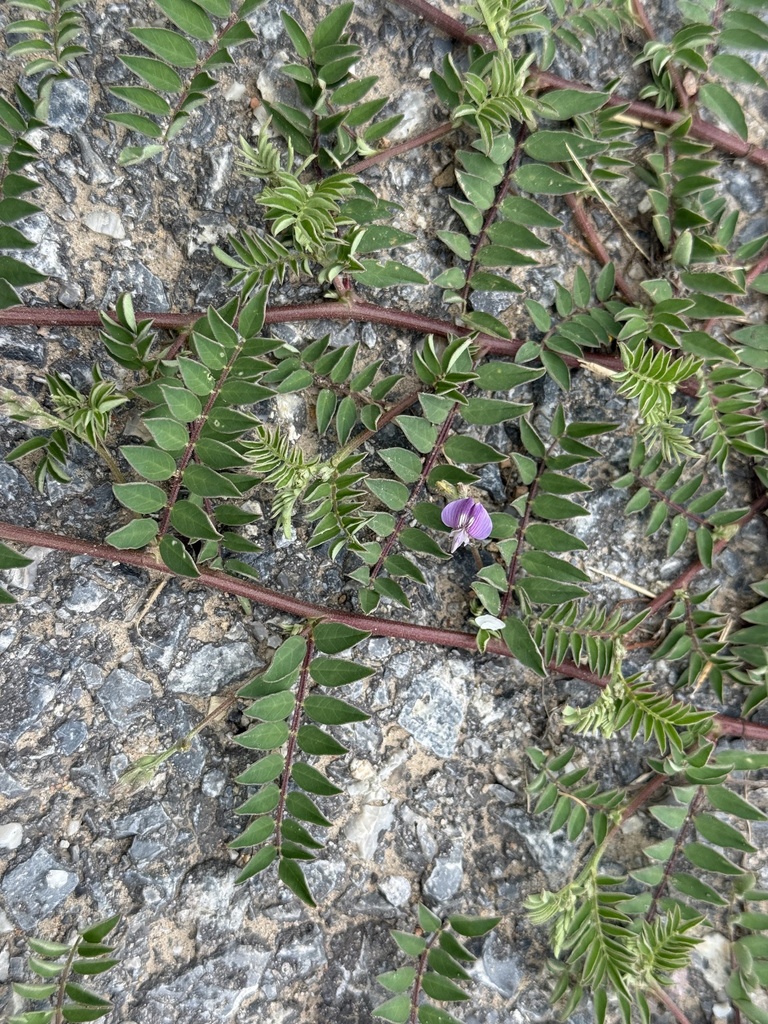
Astragalus complanatus
Traditionally attributed effects: strengthens kidney yang, holds in the essence and strengthens the eyesight.
 Caution
Asia · Herb · № 677
Scutellaria baicalensis
Traditionally attributed effects: cools and dries damp heat, especially in the lungs and upper body; calms a restless foetus from heat.
 Caution
Asia · Herb · № 526
Mimusops elengi
Traditionally attributed effects: expels worms, antihistamine, astringent, aromatic, strengthens the heart, tonic, fever-reducing; for catarrh of the bladder and urethra, fever, gum and tooth diseases, leucoderma, heart disease, snake bites, chronic dysentery.
 Caution
North America · Herb · № 574
Populus balsamifera
Traditionally attributed effects: buds: stimulating, tonic, diuretic, soothing, expectorant; bark: expectorant, laxative; for skin problems (eczema, psoriasis), dry cough, constipation, kidney/bladder support, rheumatism and gout.
 Caution
Asia · Herb · № 134
Phyllostachys nigra
In Chinese medicine bamboo shavings (zhu ru) and bamboo sap are used for coughs with yellow phlegm, nausea and restlessness. Ayurveda uses silica-rich bamboo manna. Clinical research is scarce.
 Caution
Asia · Herb · № 293
Angelica pubescens
Traditionally attributed effects: antirheumatic, pain-relieving, anti-inflammatory.
 Caution
Europe · Herb · № 93
Betonica officinalis (syn. Stachys officinalis)
Traditionally used for tension headaches and nervousness. Modern clinical research is lacking.
 Caution
South America · Herb · № 889
Grimolobium pubescens (syn. Otholobium pubescens, Psoralea pubescens)
A shrub of the pea family with leaves in threes. It contains bakuchiol, among other compounds; extracts lowered blood sugar in experiments with mice. Studies in people are lacking.
 Caution
South America · Herb · № 282
Peumus boldus
Traditionally attributed effects: stimulates the liver, diuretic.
 Caution
North America · Herb · № 306
Hydrangea arborescens
Traditionally attributed effects: diuretic, laxative, stimulates the kidneys.
 Caution
North America · Herb · № 631
Angelica breweri, A. arguta, A. hendersonii
Traditionally attributed effects: expels wind, dampness and cold in stiff, painful joints, opens the surface in wind-cold and moves qi and blood in pain.
 Caution
North America · Herb · № 630
Scrophularia californica, S. lanceolata
Traditionally attributed effects: cools heat in the blood and nourishes yin, drains damp heat and disperses swellings.
 Caution
North America · Herb · № 627
Aralia californica
Traditionally attributed effects: opens the surface in wind-cold and fever without sweating, warms the lung and stops cough with abundant white or clear phlegm, and (roasted with honey) strengthens the energy of lung and spleen.
 Caution
Asia · Mineral · № 798
Calomelas (kwikchloride)
Traditionally attributed effects: was used externally against scabies and sores; contains mercury.
 Caution
North America · Herb · № 582
Solidago canadensis
Traditionally attributed effects: astringent, antiseptic, anti-inflammatory, wound-healing; heals the bladder wall (incontinence, irritation), for allergies and stuck mucus after a cold, eyewash for hay fever.
 Caution
Asia · Herb · № 710
Artemisia capillaris
Traditionally attributed effects: drains damp heat from liver and gallbladder; main herb for jaundice.
 Caution
South America · Herb · № 919
Phyllanthus niruri (en P. stipulatus, P. urinaria)
A small herb with rows of fine leaflets and tiny fruits beneath them. In experiments it inhibited the formation of kidney stone crystals and acted as a diuretic; small studies in people do not yet give clear evidence.
 Caution
Asia · Herb · № 766
Rosa laevigata
Traditionally attributed effects: holds in the essence and curbs diarrhoea and frequent urination.
 Caution
Asia · Herb · № 290
Bupleurum chinense
Traditionally attributed effects: energy tonic, stimulates the liver, cooling, antibacterial, anti-inflammatory, pain-relieving, promotes bile, lowers cholesterol.
 Caution
Asia · Herb · № 148
Forsythia suspensa
The fruits (lian qiao) are a 'cooling' herb in Chinese medicine for early colds with sore throat and fever, and for skin inflammation. There is little clinical research on lian qiao alone.

Featured · Central America and the Caribbean · Curanderismo
Salvia divinorum
A sage with large leaves containing salvinorin A, a very potent substance acting on the kappa opioid receptor. Brings short-lived, often intense changes in perception and the feeling of leaving the body.
Read moreFrom plant to use
Discover more
43 traditions
How communities built up and passed on their knowledge of plants, region by region.
113 recipes
Soups, teas and dishes in which herbs play a leading role.
146 formulas
The classical Chinese formulas, also listed by condition.