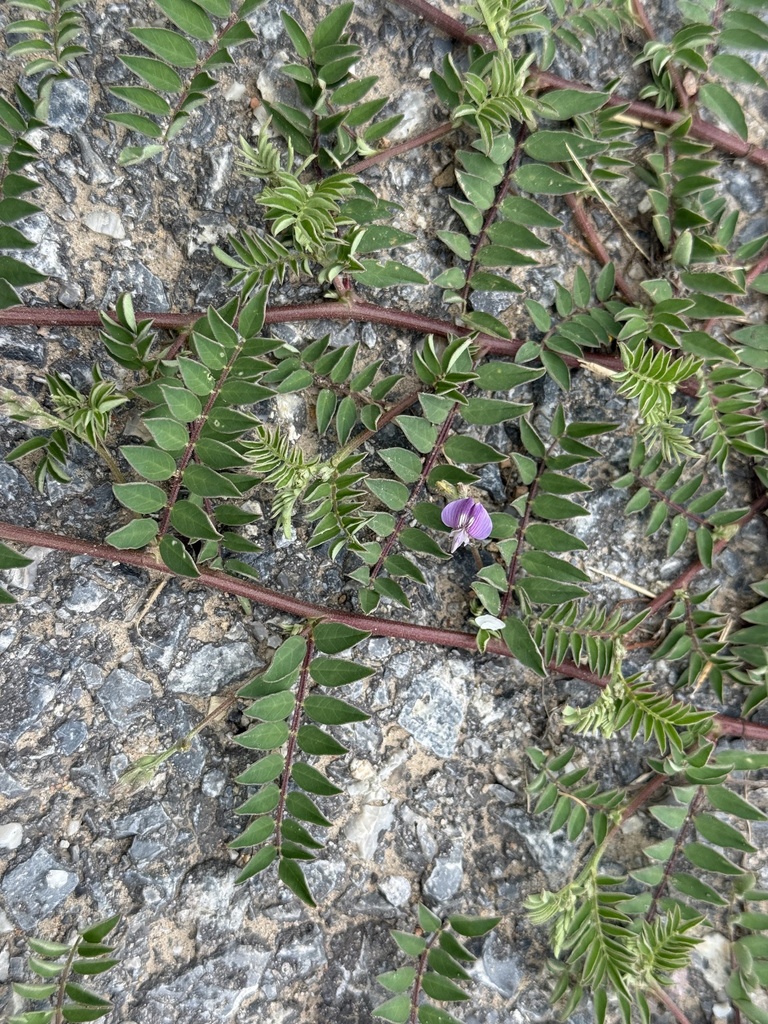
Asia · Herb · № 405
Sage-leaved alangium
Alangium salviifolium
Traditionally attributed effects: expels worms, laxative, emetic, diuretic; antidote in poisoning, for diarrhoea, leprosy and skin diseases, dog bites, worms, acute rheumatism.
From Ayurveda to Rongoā Māori
Communities around the world learned how plants nourish, care and heal. Here their traditions stand beside present-day use, with respect for every culture.
Asia · Herb · № 405
Alangium salviifolium
Traditionally attributed effects: expels worms, laxative, emetic, diuretic; antidote in poisoning, for diarrhoea, leprosy and skin diseases, dog bites, worms, acute rheumatism.
Africa · Herb · № 4
Aloe vera
The gel from the leaf is used externally to soothe the skin and for minor burns. Research on wound healing gives mixed results; the gel is no substitute for wound care.
Asia · Herb · № 754
Alpinia oxyphylla
Traditionally attributed effects: strengthens kidney yang and holds in urine and semen; warms the spleen in diarrhoea and drooling.
Europe · Herb · № 835
Mandragora officinarum
A highly poisonous plant containing tropane alkaloids, used in antiquity as a painkiller and sleeping draught.
Europe · Herb · № 63
Artemisia absinthium
One of the most bitter herbs; traditionally used to stimulate appetite and digestion and against intestinal worms. Clinical evidence is limited.
South America · Herb · № 896
Ambrosia peruviana
An aromatic, hairy ragweed. In its native range it is used as a painkilling, anti-inflammatory, deworming and antiseptic remedy; good research is lacking.
Asia · Mineral · № 780
Alumen (kaliumaluminiumsulfaat)
Traditionally attributed effects: externally astringent and anti-itch; stanches bleeding.
Asia · Herb · № 743
Liquidambar formosana
Traditionally attributed effects: lets qi and blood flow and opens the meridians.
North America · Herb · № 158
Scutellaria lateriflora (en S. baicalensis)
Used in Western herbalism for nervousness, tension and sleep problems. A few small studies suggest a mild calming effect.
North America · Herb · № 826
Podophyllum peltatum
A poisonous plant whose resin, podophyllin, was once used as a laxative. Now only used in the form of medicines against warts.
North America · Herb · № 160
Panax quinquefolius
Chinese medicine regards it as more 'cooling' than Asian ginseng and uses it for fatigue and thirst. Some studies find a slight effect on post-meal blood sugar and colds; evidence is limited.
North America · Herb · № 628
Asarum caudatum, A. canadense en verwante soorten
Traditionally attributed effects: expels wind-cold, opens a blocked nose, warms the lung in cough with clear phlegm and expels cold and dampness in menstrual pain and other pain.
Asia · Herb · № 678
Phellodendron amurense
Traditionally attributed effects: drains damp heat from the lower body and cools heat from kidney yin deficiency.
South America · Food · № 250
Ananas comosus
Traditionally attributed effects: fever-reducing, cleansing, bitter tonic; ripe fruit diuretic, induces sweating, cooling, digests protein; leaf laxative and expels worms; unripe fruit strongly diuretic, promotes menstruation and abortifacient.
Asia · Herb · № 670
Anemarrhena asphodeloides
Traditionally attributed effects: cools heat in lungs and stomach and nourishes yin in fever, thirst and night sweats.
Europe · Herb · № 197
Dianthus spp.
The clove pink has fragrant, edible petals. In Chinese medicine the related Dianthus superbus (qu mai) is used for bladder infections; no medicinal effect is described for the garden carnation.
Africa · Herb · № 450
Calotropis procera
Traditionally attributed effects: root bark for dysentery and elephantiasis; leaves for intermittent fever; milky sap irritant and laxative; flowers for colds, cough, asthma and indigestion.
Africa · Herb · № 422
Aristolochia bracteata
Traditionally attributed effects: laxative, promotes menstruation, cleansing, antipyretic, expels worms; strengthens contractions, for colic, absent or painful menstruation, intermittent fever, worms, skin diseases.
Asia · Herb · № 17
Withania somnifera
An Ayurvedic medicinal plant. Some preparations have been studied for stress and sleep, but evidence is limited and products vary.
Asia · Herb · № 149
Astragalus membranaceus
In Chinese medicine an important strengthening herb ('qi tonic') for fatigue, catching colds easily and sweating. NCCIH notes there is little reliable human research.
CautionAsia · Herb · № 757
Astragalus complanatus
Traditionally attributed effects: strengthens kidney yang, holds in the essence and strengthens the eyesight.
Central America and the Caribbean · Food · № 166
Persea americana
A fruit rich in monounsaturated fats, fibre and potassium; it fits a diet that is favourable for cholesterol. Avocado oil is used in skin care.
South America · Herb · № 901
Banisteriopsis caapi
A giant liana up to thirty metres long. The stem contains harmine, harmaline and tetrahydroharmine, which inhibit the enzyme MAO. This makes the DMT from plants such as chacruna active by mouth. The drink brings visions, and usually vomiting and diarrhoea, which the tradition regards as cleansing.
Asia · Herb · № 36
Panax ginseng (ook P. quinquefolius)
Research consists mostly of small, short studies; there is little evidence of health effects.
Asia · Herb · № 542
Psoralea corylifolia
Traditionally attributed effects: laxative, expels worms, diuretic, induces sweating, antibacterial; for leprosy and leucoderma (vitiligo) internally and externally, bile complaints.
Asia · Herb · № 677
Scutellaria baicalensis
Traditionally attributed effects: cools and dries damp heat, especially in the lungs and upper body; calms a restless foetus from heat.
Asia · Herb · № 310
Platycodon grandiflorus
Traditionally attributed effects: expectorant, antifungal, antibacterial, lowers blood sugar.
Asia · Herb · № 134
Phyllostachys nigra
In Chinese medicine bamboo shavings (zhu ru) and bamboo sap are used for coughs with yellow phlegm, nausea and restlessness. Ayurveda uses silica-rich bamboo manna. Clinical research is scarce.
Africa · Herb · № 8
Ocimum basilicum
Traditionally used as an aromatic food plant and in herbal preparations.
Asia · Herb · № 293
Angelica pubescens
Traditionally attributed effects: antirheumatic, pain-relieving, anti-inflammatory.
Asia · Herb · № 229
Styrax benzoin
Traditionally attributed effects: expectorant, astringent, antispasmodic.
Asia · Herb · № 747
Aconitum carmichaelii (bereide zijwortel)
Traditionally attributed effects: the most strongly warming remedy in Chinese medicine, for collapse of yang and pain from cold.
Europe · Herb · № 67
Borago officinalis
The seed oil, rich in gamma-linolenic acid, has been studied for eczema and joint inflammation with mixed results. The leaf was traditionally used to reduce fever and as a tonic.
Asia · Herb · № 419
Areca catechu
Traditionally attributed effects: stimulating, astringent, expels tapeworm, laxative, carminative, aphrodisiac; against roundworms and tapeworms, strengthens the gums, for urinary complaints, heartburn during pregnancy, lumbago.
Asia · Herb · № 551
Semecarpus anacardium
Traditionally attributed effects: pungent, stimulating, aids digestion, antispasmodic, cleansing, strengthens the nerves, caustic, strengthens the heart; for leprosy, scrofula, syphilis, skin diseases, epilepsy, nervous weakness, nerve pain, asthma, indigestion, haemorrhoids, enlarged spleen.
Asia · Herb · № 354
Eclipta prostrata
Traditionally attributed effects: strengthens the liver, decongestant, tonic, cleansing, antiviral; for enlarged liver and spleen, skin diseases, fever, oedema, rheumatism; hair oil for black and full hair; for swollen glands, elephantiasis, headache and toothache.
Featured · Central America and the Caribbean · Curanderismo
Salvia divinorum
A sage with large leaves containing salvinorin A, a very potent substance acting on the kappa opioid receptor. Brings short-lived, often intense changes in perception and the feeling of leaving the body.
Read moreFrom plant to use
Discover more
43 traditions
How communities built up and passed on their knowledge of plants, region by region.
113 recipes
Soups, teas and dishes in which herbs play a leading role.
146 formulas
The classical Chinese formulas, also listed by condition.