Skip to content
Herbs & Cultures

From Ayurveda to Rongoā Māori

Herbal knowledge and the cultures that passed it on

Communities around the world learned how plants nourish, care and heal. Here their traditions stand beside present-day use, with respect for every culture.

All 980 herbs from 43 traditions

Search by concern or tag

343 results

Also found

  • Caution

    Africa · Herb · № 422

    Worm killer

    Aristolochia bracteata

    Traditionally attributed effects: laxative, promotes menstruation, cleansing, antipyretic, expels worms; strengthens contractions, for colic, absent or painful menstruation, intermittent fever, worms, skin diseases.

    Ayurveda
  • Caution

    Asia · Herb · № 757

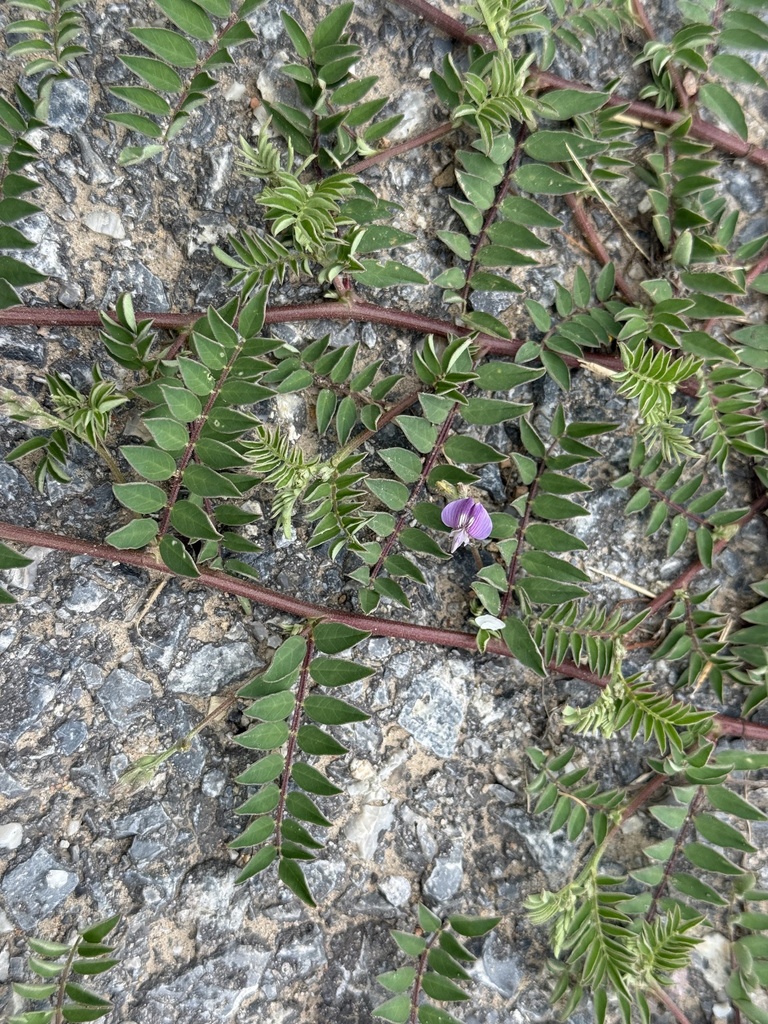
    Flattened milkvetch seed (sha yuan zi)

    Astragalus complanatus

    Traditionally attributed effects: strengthens kidney yang, holds in the essence and strengthens the eyesight.

    Chinese medical traditions
  • Caution

    South America · Herb · № 901

    Ayahuasca

    Banisteriopsis caapi

    A giant liana up to thirty metres long. The stem contains harmine, harmaline and tetrahydroharmine, which inhibit the enzyme MAO. This makes the DMT from plants such as chacruna active by mouth. The drink brings visions, and usually vomiting and diarrhoea, which the tradition regards as cleansing.

    Herbal knowledge of the Amazon+3
  • Caution

    Africa · Other · № 386

    Baobab

    Adansonia digitata

    The dry fruit pulp is sour and rich in vitamin C and fibre; oil from the seeds is used for skin and hair. Medical claims have not been studied.

    Local African healing traditions
  • Caution

    Asia · Herb · № 229

    Benzoin

    Styrax benzoin

    Traditionally attributed effects: expectorant, astringent, antispasmodic.

    Chinese medical traditions+3Folklore
  • Caution

    Asia · Herb · № 551

    Marking nut

    Semecarpus anacardium

    Traditionally attributed effects: pungent, stimulating, aids digestion, antispasmodic, cleansing, strengthens the nerves, caustic, strengthens the heart; for leprosy, scrofula, syphilis, skin diseases, epilepsy, nervous weakness, nerve pain, asthma, indigestion, haemorrhoids, enlarged spleen.

    Ayurveda
  • Caution

    Asia · Herb · № 123

    Bitter orange

    Citrus × aurantium

    The dried unripe fruit (zhi shi) and peel are used in Chinese medicine for bloating and sluggish digestion. NCCIH warns that weight-loss products containing bitter orange (synephrine) pose risks to the heart and blood pressure.

    Chinese medical traditions+2
  • Caution

    Europe · Mineral · № 9

    Epsom salt

    Magnesium sulphate. In sufficient amounts it acts as a laxative because it holds water in the bowel. In a bath it is used to relax muscles; that magnesium is absorbed through the skin has not been shown.

    Western herbal medicine
  • Caution

    North America · Herb · № 963

    Blue lettuce

    Lactuca tatarica subsp. pulchella (syn. L. pulchella)

    A wild lettuce with blue flower heads and milky sap that forms large colonies by runners. Effects not studied.

    Lakota medicine
  • Caution

    North America · Herb · № 151

    Boneset

    Eupatorium perfoliatum

    Traditionally used for fever and flu with aching muscles; the name refers to 'break-bone fever'. There is hardly any modern clinical research.

    Indigenous healing traditions of North America+4
  • Caution

    Asia · Mineral · № 781

    Borax (peng sha)

    Borax (natriumtetraboraat)

    Traditionally attributed effects: externally for small ulcers in mouth, throat and vagina and for athlete's foot.

    Chinese medical traditions
  • Caution

    Asia · Herb · № 557

    Nux vomica

    Strychnos nux-vomica

    Traditionally attributed effects: strengthens the nerves, stomachic, tonic, aphrodisiac, stimulates the spinal cord, breathing and heart.

    Ayurveda+1
  • Caution

    Europe · Food · № 48

    Stinging nettle

    Urtica dioica

    A food and fiber plant with a long tradition in folk medicine. Medical claims are not established.

    Monastic and folk knowledge+3Folklore
  • Caution

    South America · Herb · № 857

    Cachanlagua

    Centaurium cachanlahuen

    A small bitter herb with pink flowers, related to the European common centaury. Traditionally for fever and digestion; clinical research is lacking.

    Mapuche medicine
  • Caution

    North America · Herb · № 630

    California figwort

    Scrophularia californica, S. lanceolata

    Traditionally attributed effects: cools heat in the blood and nourishes yin, drains damp heat and disperses swellings.

    Chinese medical traditions+1
  • Caution

    North America · Herb · № 627

    California spikenard

    Aralia californica

    Traditionally attributed effects: opens the surface in wind-cold and fever without sweating, warms the lung and stops cough with abundant white or clear phlegm, and (roasted with honey) strengthens the energy of lung and spleen.

    Chinese medical traditions+1
  • Caution

    North America · Herb · № 34

    Goldenseal

    Hydrastis canadensis

    There is not enough evidence to determine whether goldenseal helps any health condition.

    Indigenous healing traditions of North America+6Folklore
  • Caution

    South America · Herb · № 985

    Cayaponia ophthalmica

    Cayaponia ophthalmica

    A climber of the gourd family, described by Schultes; the species name means 'for the eye'. Its chemistry is unknown; plants of the gourd family often contain bitter, irritating cucurbitacins.

    Tukano medicine
  • Caution

    South America · Herb · № 919

    Chanca piedra (stonebreaker)

    Phyllanthus niruri (en P. stipulatus, P. urinaria)

    A small herb with rows of fine leaflets and tiny fruits beneath them. In experiments it inhibited the formation of kidney stone crystals and acted as a diuretic; small studies in people do not yet give clear evidence.

    Curanderismo of northern Peru
  • Caution

    South America · Herb · № 890

    Chilca

    Baccharis latifolia (en verwante soorten, o.a. B. pentlandii)

    A fast-growing, densely branched shrub with glossy, sticky leaves. Little is known from research about its effect in people.

    Kallawaya healing knowledge+1
  • Caution

    Asia · Herb · № 684

    Chinese violet (zi hua di ding)

    Viola yedoensis (syn. V. philippica)

    Traditionally attributed effects: cools heat and 'toxin' in abscesses, boils, sore throat and inflamed eyes.

    Chinese medical traditions
  • Caution

    Asia · Herb · № 641

    Chinese dodder (tu si zi)

    Cuscuta chinensis

    Traditionally attributed effects: a remedy for male infertility and urinary complaints; a tonic that strengthens bones and tendons, soothes lower back pain and balances the female reproductive system.

    Chinese medical traditions
  • Caution

    Asia · Herb · № 120

    Dong quai (dang gui)

    Angelica sinensis

    In Chinese medicine one of the most important herbs to 'nourish the blood', especially for menstrual complaints. Western studies found no clear effect on menopausal symptoms.

    Chinese medical traditions+2
  • Caution

    Asia · Herb · № 681

    Korean ash bark (qin pi)

    Fraxinus chinensis subsp. rhynchophylla

    Traditionally attributed effects: for diarrhoea and dysentery from damp heat, red eyes and cough with heat.

    Chinese medical traditions
  • Caution

    Asia · Herb · № 643

    Chinese raspberry (fu pen zi)

    Rubus chingii

    Traditionally attributed effects: strengthens kidneys and liver; for poor vision, frequent urination and impotence.

    Chinese medical traditions+1
  • Caution

    Asia · Herb · № 729

    Chinese cardamom (sha ren)

    Amomum villosum (en A. kravanh)

    Traditionally attributed effects: warms the spleen, transforms dampness, calms a restless foetus and prevents tonics from lying heavy on the stomach.

    Chinese medical traditions+1
  • Caution

    Asia · Herb · № 137

    Chinese rhubarb

    Rheum palmatum

    The root (da huang) contains anthraquinones, making it a strong laxative. In small amounts its tannins have the opposite, binding effect. Its mechanism is well understood.

    Chinese medical traditions+4
  • Caution

    Asia · Herb · № 138

    Red sage root (dan shen)

    Salvia miltiorrhiza

    The red root is used in Chinese medicine to 'promote blood circulation', especially for heart and vascular complaints. There are many studies in China, often of limited quality.

    Chinese medical traditions
  • Caution

    Asia · Herb · № 768

    Polygala root (yuan zhi)

    Polygala tenuifolia

    Traditionally attributed effects: calms the mind and clears phlegm from 'the openings of the heart' and from the lungs.

    Chinese medical traditions+1
  • Caution

    Asia · Herb · № 703

    Gold coin grass (jin qian cao)

    Lysimachia christinae (ook Desmodium styracifolium)

    Traditionally attributed effects: helps pass kidney and gallstones and drains damp heat from the liver.

    Chinese medical traditions
  • Caution

    Asia · Herb · № 741

    Chinese bugleweed (ze lan)

    Lycopus lucidus

    Traditionally attributed effects: moves the blood and regulates menstruation; diuretic.

    Chinese medical traditions
  • Caution

    Asia · Herb · № 665

    Chinese black cohosh (sheng ma)

    Actaea cimicifuga (syn. Cimicifuga foetida)

    Traditionally attributed effects: expels wind-heat, helps rashes come out and lifts the energy in prolapse.

    Chinese medical traditions+1
  • Caution

    South America · Herb · № 926

    Chiricaspi

    Brunfelsia grandiflora

    A shrub of the nightshade family up to three metres tall, with fragrant flowers that fade from purple to white. Contains scopoletin, among others, and compounds that cause convulsions in animals. Gives a feeling of cold and tingling, and in larger amounts dizziness and paralysis.

    Herbal knowledge of the Amazon+1
  • Caution

    Asia · Herb · № 124

    Chrysanthemum (ju hua)

    Chrysanthemum × morifolium

    The flowers (ju hua) are used in Chinese medicine as a 'cooling' remedy for colds with fever, headaches and tired, red eyes. Clinical evidence is limited.

    Chinese medical traditions+3
  • Caution

    South America · Herb · № 917

    Chuchuhuasi

    Maytenus macrocarpa (syn. Monteverdia macrocarpa); in Noord-Peru ook Heisteria acuminata

    A large tree with thick, reddish-brown bark. The bark contains triterpenes and sesquiterpenes, among other compounds; extracts were anti-inflammatory in experiments. Studies in people are lacking.

    Curanderismo of northern Peru
  • Caution

    Asia · Herb · № 755

    Cibotium (gou ji)

    Cibotium barometz

    Traditionally attributed effects: strengthens kidney yang, bones and tendons in a stiff, painful lower back and knees.

    Chinese medical traditions
Image of Salvia divinorum

Featured · Central America and the Caribbean · Curanderismo

Salvia divinorum

A sage with large leaves containing salvinorin A, a very potent substance acting on the kappa opioid receptor. Brings short-lived, often intense changes in perception and the feeling of leaving the body.

Read more

From plant to use

Ways to prepare herbs

All preparations →

Discover more

Traditions, kitchen and classical formulas
