 Caution
Central America and the Caribbean · Herb · № 514
Japanese morning glory
Ipomoea nil
Traditionally attributed effects: strongly laxative, expels worms; for constipation, substitute for jalap root.
Ayurveda+2
From Ayurveda to Rongoā Māori
Communities around the world learned how plants nourish, care and heal. Here their traditions stand beside present-day use, with respect for every culture.
 GrapeFolk magic and herbal magic
 BuchuLocal African healing traditions
 Indian tobaccoCherokee medicine
 Lignum vitaeHerbal knowledge of the Caribbean
 Yerba mateKallawaya healing knowledgeCaution
Central America and the Caribbean · Herb · № 514
Ipomoea nil
Traditionally attributed effects: strongly laxative, expels worms; for constipation, substitute for jalap root.
 Caution
Asia · Herb · № 133
Plantago ovata
The seed husks form a mucilaginous gel: an established bulk-forming fibre for constipation and mild diarrhoea that can also modestly lower LDL cholesterol.
 Caution
South America · Herb · № 918
Nectandra spp. (en verwante laurierachtigen, o.a. Ocotea en Aiouea)
Trees of the laurel family with fragrant seeds and bark. Little is known about the substances in the seeds and their effect in people.
 Caution
Asia · Food · № 272
Prunus armeniaca
Traditionally attributed effects: cough-suppressing, astringent, antibacterial, pain-relieving, diuretic, anti-inflammatory; wild cherry suppresses cough.
 Caution
Central America and the Caribbean · Food · № 818
Bixa orellana
The red seeds are used as a colouring and spice; traditionally also as a remedy.
 Caution
Asia · Herb · № 340
Trachyspermum ammi
Traditionally attributed effects: stimulating, carminative, tonic, aromatic, antispasmodic, antiseptic; for flatulence, indigestion, colic, diarrhoea, cholera, intestinal cramps; source of thymol; against worms.
 Caution
Asia · Food · № 223
Prunus dulcis
Traditionally attributed effects: sweet almond soothing, stimulating, nourishing, strengthens the nerves; bitter almond soothing, laxative, calming in cough.
 Caution
Central America and the Caribbean · Herb · № 374
Amaranthus spp.
Traditionally attributed effects: flowers, leaf and root strongly antiseptic; wound healing.
 Caution
Asia · Herb · № 228
Pimpinella anisum
Traditionally attributed effects: gives a natural lip-plumping effect.
 Caution
South America · Herb · № 866
Araucaria araucana
An ancient conifer that lives for more than a thousand years. The large, starchy seeds are a nourishing food; the resin was used on wounds.
 Caution
Europe · Food · № 84
Malus domestica
A fruit rich in fibre such as pectin; grated apple is an old home remedy for mild diarrhoea. No specific medicinal effect has been proven.
 Caution
Africa · Herb · № 371
Acacia senegal
A soluble fibre that forms a mucilaginous solution in water. It soothes the throat and stomach and is being studied as a prebiotic; it can cause wind and bloating. There is no evidence that it treats viral infections such as HPV.
 Caution
Asia · Herb · № 569
Vernonia cinerea
Traditionally attributed effects: fever-reducing, induces sweating, cleansing; decoction promotes sweating in fever; seeds antidote, expel worms, for leprosy and chronic skin diseases; plant for bladder cramps, difficult urination, haemorrhoids; flowers for conjunctivitis.
 Caution
Asia · Herb · № 757
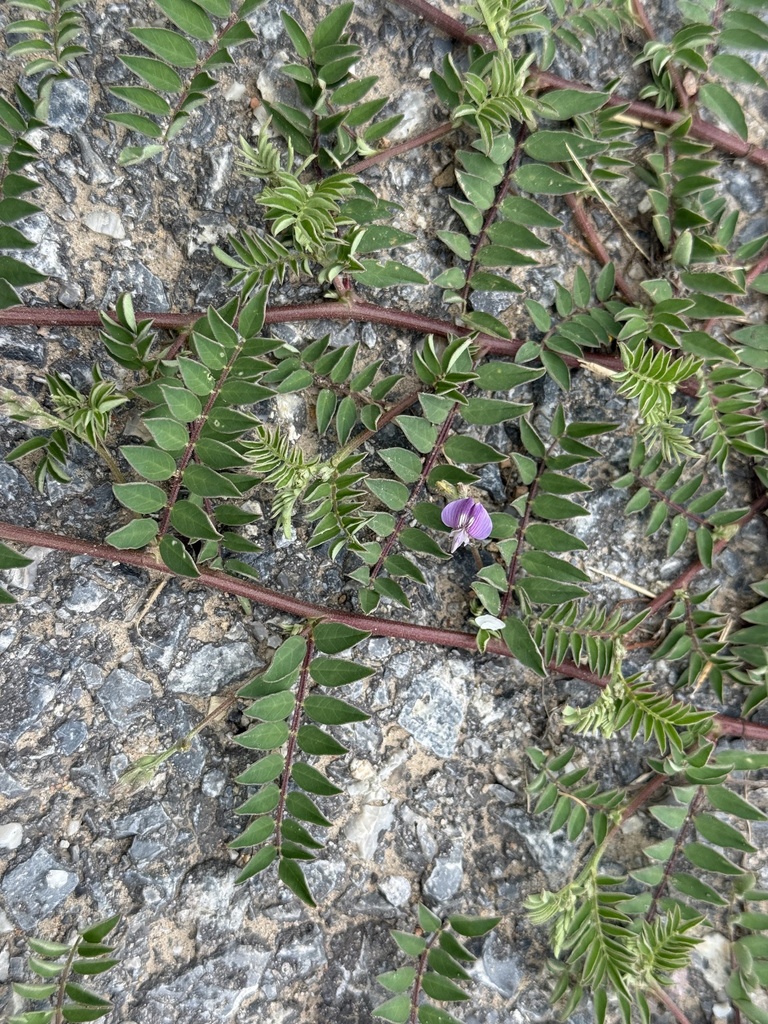
Astragalus complanatus
Traditionally attributed effects: strengthens kidney yang, holds in the essence and strengthens the eyesight.
 Caution
Asia · Herb · № 542
Psoralea corylifolia
Traditionally attributed effects: laxative, expels worms, diuretic, induces sweating, antibacterial; for leprosy and leucoderma (vitiligo) internally and externally, bile complaints.
 Caution
Africa · Other · № 386
Adansonia digitata
The dry fruit pulp is sour and rich in vitamin C and fibre; oil from the seeds is used for skin and hair. Medical claims have not been studied.
 Caution
Europe · Herb · № 67
Borago officinalis
The seed oil, rich in gamma-linolenic acid, has been studied for eczema and joint inflammation with mixed results. The leaf was traditionally used to reduce fever and as a tonic.
 Caution
Asia · Herb · № 419
Areca catechu
Traditionally attributed effects: stimulating, astringent, expels tapeworm, laxative, carminative, aphrodisiac; against roundworms and tapeworms, strengthens the gums, for urinary complaints, heartburn during pregnancy, lumbago.
 Caution
Asia · Herb · № 439
Blepharis edulis
Traditionally attributed effects: resolvent, diuretic, aphrodisiac, expectorant; for impotence, blood, chest, lung and liver diseases; leaves for fever, urinary discharge, leucoderma; root regulates menstruation.
 Caution
Asia · Herb · № 447
Caesalpinia crista
Traditionally attributed effects: antipyretic, antispasmodic, bitter tonic, expels worms, fever-reducing; for fever, intermittent fever, asthma, colic, swellings, bleeding, liver disorders, convulsions and nervous complaints.
 Caution
Asia · Herb · № 557
Strychnos nux-vomica
Traditionally attributed effects: strengthens the nerves, stomachic, tonic, aphrodisiac, stimulates the spinal cord, breathing and heart.
 Caution
South America · Herb · № 886
Cascabela thevetia (syn. Thevetia peruviana)
A shrub with yellow trumpet flowers, related to oleander. All parts, especially the seeds, contain cardiac glycosides that act on the heart.
 Caution
Central America and the Caribbean · Food · № 30
Theobroma cacao
The seeds are the basis of cocoa and chocolate and contain theobromine and some caffeine. Health claims do not make cacao a treatment.
 Caution
Asia · Herb · № 379
Camellia japonica / C. oleifera
Traditionally attributed effects: nourishing oil that does not feel greasy.
 Caution
Central America and the Caribbean · Herb · № 161
Capsicum frutescens
Capsaicin from chilli peppers is used externally for nerve pain and joint pain; high-dose capsaicin patches are an approved medicine. Internally it is mainly a warming spice.
 Caution
South America · Herb · № 924
Anadenanthera colubrina
A thorny tree of the pea family, related to yopo. The seeds contain much bufotenine, up to over twelve per cent, as well as some DMT and 5-MeO-DMT. As a snuff they cause violent physical effects and short visions.
 Caution
Africa · Herb · № 453
Cassia absus
Traditionally attributed effects: bitter, astringent, lowers blood pressure; leaves for cough; seeds for ringworm, skin diseases, conjunctivitis and eye inflammation.
 Caution
Asia · Herb · № 641
Cuscuta chinensis
Traditionally attributed effects: a remedy for male infertility and urinary complaints; a tonic that strengthens bones and tendons, soothes lower back pain and balances the female reproductive system.
 Caution
Asia · Food · № 572
Zizyphus vulgaris
Traditionally attributed effects: diuretic, lowers blood sugar, soothing, soothing to the chest.
 Caution
Asia · Food · № 445
Buchanania lanzan
Traditionally attributed effects: soothing, cleansing, laxative, diuretic; seeds nutritious, gum for diarrhoea, ointment for itching and skin blemishes, oil for swollen neck glands, substitute for almond oil.
 Caution
Asia · Herb · № 473
Croton oblongifolius
Traditionally attributed effects: bark and root cleansing and promote bile; seeds laxative; bark for sprains and liver diseases, poultices on swellings, for snake bites.
 Caution
Asia · Herb · № 474
Croton tiglium
Traditionally attributed effects: drastically laxative, irritant, skin-irritant; for stroke, insanity, convulsions, stubborn constipation, worms, ascites, oedema, colic, gout; wood in small doses induces sweating.
 Caution
Central America and the Caribbean · Herb · № 928
Turnera diffusa
A small, woody shrub with small, strongly scented leaves and yellow flowers. Contains flavonoids such as apigenin and acacetin, terpenes and a small amount of cyanogenic glycosides. Considered mildly calming and uplifting; which substances cause this is not known.
 Caution
Asia · Herb · № 430
Baliospermum montanum
Traditionally attributed effects: seeds strongly laxative, externally stimulating and skin-irritant; root for oedema and jaundice, leaves for asthma, oil for rheumatism, antiseptic, for snake bites.
 Caution
 Caution
Central America and the Caribbean · Herb · № 481
Datura metel
Traditionally attributed effects: narcotic, pain-relieving, antispasmodic (like belladonna); compress for rheumatic swellings, lumbago, sciatica, nerve pain, painful tumours; leaves and seeds for asthma and whooping cough; liniment for painful menstruation.

Featured · Central America and the Caribbean · Curanderismo
Salvia divinorum
A sage with large leaves containing salvinorin A, a very potent substance acting on the kappa opioid receptor. Brings short-lived, often intense changes in perception and the feeling of leaving the body.
Read moreFrom plant to use
Discover more
43 traditions
How communities built up and passed on their knowledge of plants, region by region.
113 recipes
Soups, teas and dishes in which herbs play a leading role.
146 formulas
The classical Chinese formulas, also listed by condition.